Precision Medicine in Atrial Fibrillation: Biomarker-Based ABC-AF Risk Scores Fail to Outperform Standard Care

Precision Medicine in Atrial Fibrillation: Biomarker-Based ABC-AF Risk Scores Fail to Outperform Standard Care

A large-scale registry-based RCT reveals that tailoring atrial fibrillation treatment using the biomarker-driven ABC-AF risk score does not significantly reduce stroke or death compared to current standard guideline-based care, highlighting the complexities of implementing precision medicine in clinical practice.

Targeted Education Enhances Rhythm Control Adherence in Atrial Fibrillation but Faces Limits in Stroke Prevention: Insights from STEEER-AF

Targeted Education Enhances Rhythm Control Adherence in Atrial Fibrillation but Faces Limits in Stroke Prevention: Insights from STEEER-AF

The STEEER-AF cluster-randomized trial reveals that structured professional education significantly boosts adherence to complex rhythm control guidelines in atrial fibrillation, though it shows no significant impact on stroke prevention where baseline performance is already high.
Mavacamten Redefines Long-Term Outcomes in Obstructive Hypertrophic Cardiomyopathy: 128-Week Results From the VALOR-HCM Trial

Mavacamten Redefines Long-Term Outcomes in Obstructive Hypertrophic Cardiomyopathy: 128-Week Results From the VALOR-HCM Trial

The 128-week follow-up of the VALOR-HCM trial demonstrates that mavacamten provides sustained relief from LVOT obstruction, promotes favorable cardiac remodeling, and significantly reduces the need for invasive septal reduction therapy in patients with symptomatic obstructive hypertrophic cardiomyopathy.
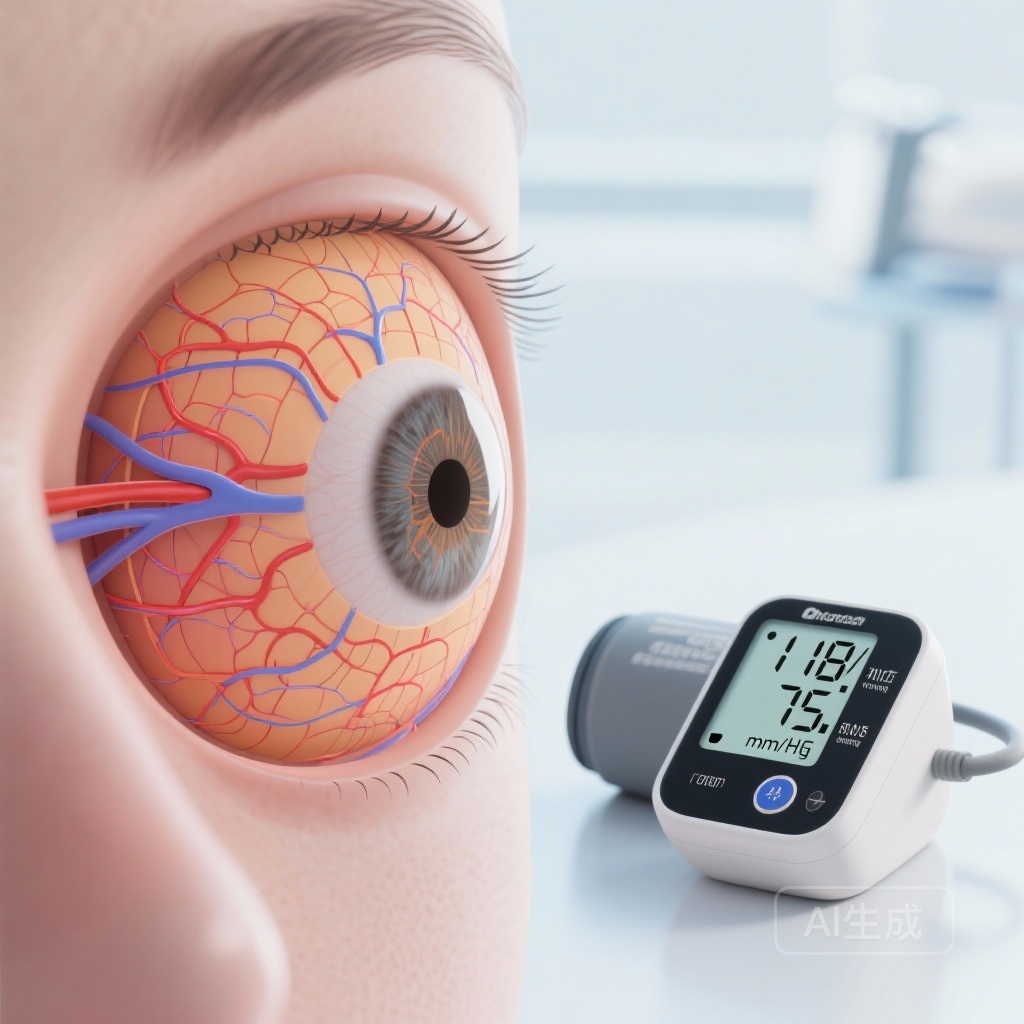
Intensive Blood Pressure Control to <120 mmHg: Holistic Benefits Across Frailty, Quality of Life, and Microvascular Health in the ESPRIT Trial

Intensive Blood Pressure Control to <120 mmHg: Holistic Benefits Across Frailty, Quality of Life, and Microvascular Health in the ESPRIT Trial

The ESPRIT trial reveals that targeting systolic blood pressure below 120 mmHg significantly reduces cardiovascular events across diverse populations, including frail patients and those with diabetes, while uniquely improving retinal microvascular health and maintaining patient quality of life.
Opportunistic Genomic Screening for Familial Hypercholesterolemia: Does Genetic Feedback Drive Clinical Change?

Opportunistic Genomic Screening for Familial Hypercholesterolemia: Does Genetic Feedback Drive Clinical Change?

This randomized clinical trial investigates whether returning opportunistic genomic results for familial hypercholesterolemia to veterans impacts LDL-C levels. While the primary endpoint missed statistical significance, the findings suggest a potential clinical benefit in treatment intensification and family communication.
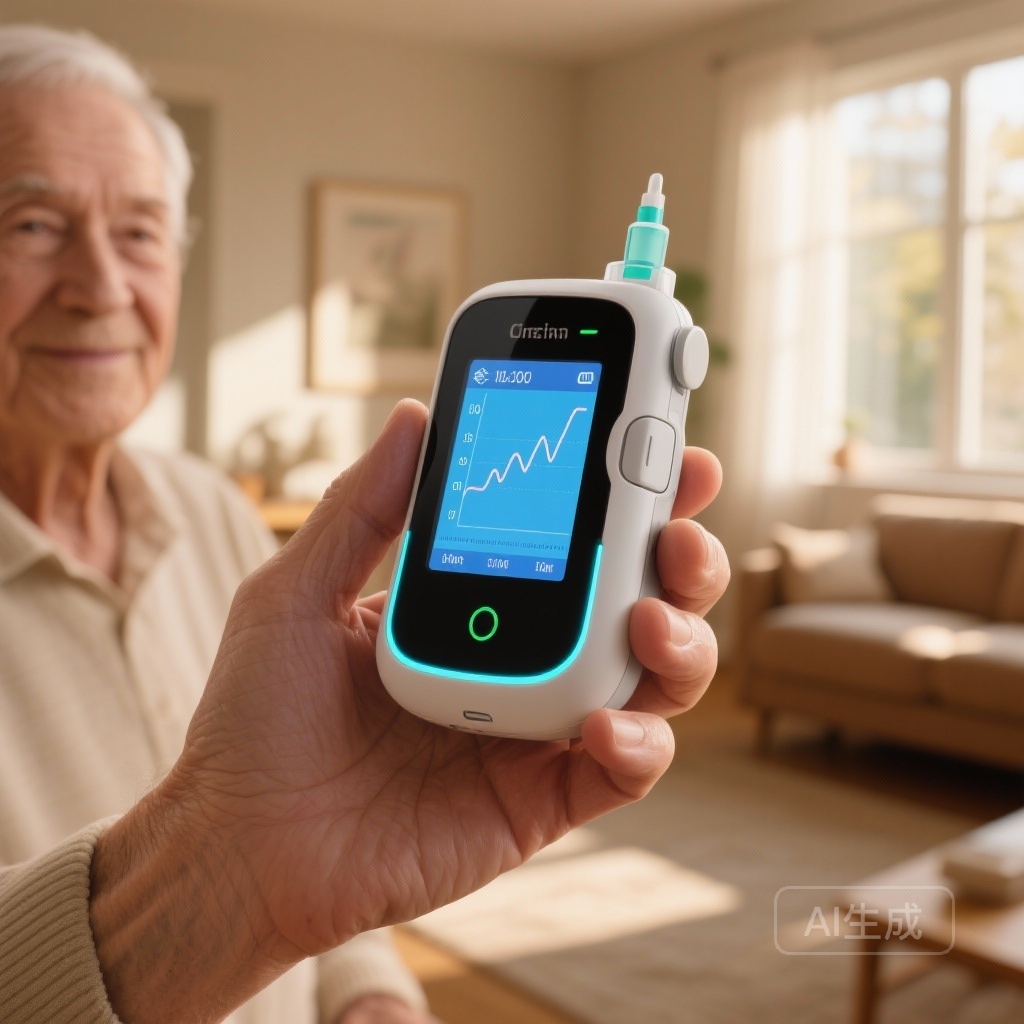
Video Consultations for Insulin Pump-Treated Type 1 Diabetes: Non-Inferior Glycemic Control with Nuanced Patient Outcomes

Video Consultations for Insulin Pump-Treated Type 1 Diabetes: Non-Inferior Glycemic Control with Nuanced Patient Outcomes

A 52-week RCT demonstrates that video consultations achieve comparable Time in Range (TiR) to physical visits for T1D patients on insulin pumps. While the intervention improved HbA1c and treatment satisfaction, it was associated with an inferior impact on patient quality of life.