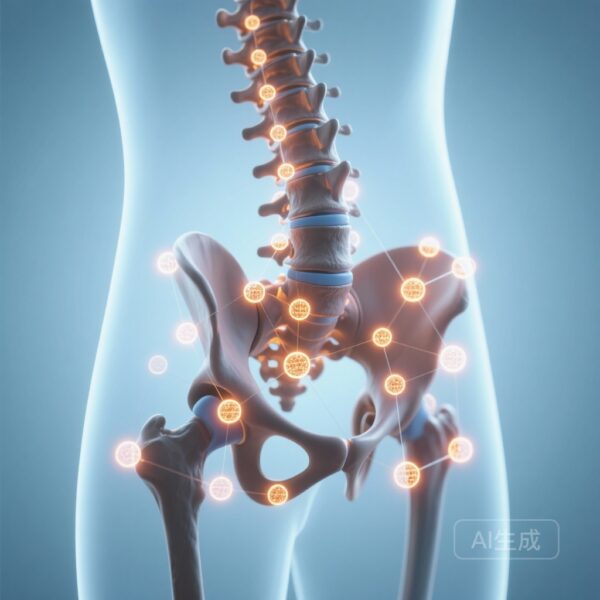
Disease Burden of Chronic Low Back Pain
Chronic low back pain (cLBP) affects approximately 20% of adults globally, representing one of the leading causes of disability and healthcare expenditure. Despite numerous treatment options, including pharmacologic and nonpharmacologic interventions, persistent symptoms and functional limitations remain common challenges in clinical practice.
Study Design
This sequential, multiple-assignment randomized trial (SMART) enrolled 749 adults with cLBP across three healthcare systems. Participants were initially randomized to either 8 weeks of physical therapy (PT) or cognitive behavioral therapy (CBT). Nonresponders at 10 weeks were then re-randomized to either continue their initial treatment or switch to mindfulness-based therapy, with follow-up assessments at 26 and 52 weeks.
Key Findings
Stage I Results (PT vs CBT)
At 10 weeks, PT showed a small but statistically significant advantage in functional improvement (ODI difference: 2.8 points, 96% CI 0.38-5.1) compared to CBT, though this fell below the 6-point minimum clinically important difference. No significant between-group differences emerged for pain intensity (difference: 0.32, 99% CI -0.07-0.71).
Stage II Results (Nonresponders)
Among the 50% of participants who failed initial treatment, subsequent outcomes showed no significant differences between continuing initial therapy versus switching to mindfulness for either function (ODI difference: 0.43, 96% CI -0.29-2.4) or pain (difference: -0.05, 96% CI -0.58-0.48) at 52 weeks.
Expert Commentary
This innovative adaptive trial design provides important insights into treatment sequencing for cLBP. The modest functional benefit of first-line PT supports current guideline recommendations, while the lack of second-stage treatment differences suggests nonresponders may require alternative approaches. However, study limitations including suboptimal treatment adherence and pandemic-related sample size reductions warrant caution in interpretation.
Conclusion
These findings support PT as first-line nonpharmacologic treatment for cLBP, with no clear advantage of specific second-stage therapies for nonresponders. The results highlight the need for personalized approaches and further research to optimize adaptive treatment algorithms in chronic pain management.
Funding and Registration
Funded by PCORI (Patient-Centered Outcomes Research Institute). ClinicalTrials.gov identifier: NCT03859713.