Substituting Water for Artificially Sweetened Beverages Fails to Improve Glycemic Control in Type 2 Diabetes: Results from the SODAS Trial

Substituting Water for Artificially Sweetened Beverages Fails to Improve Glycemic Control in Type 2 Diabetes: Results from the SODAS Trial

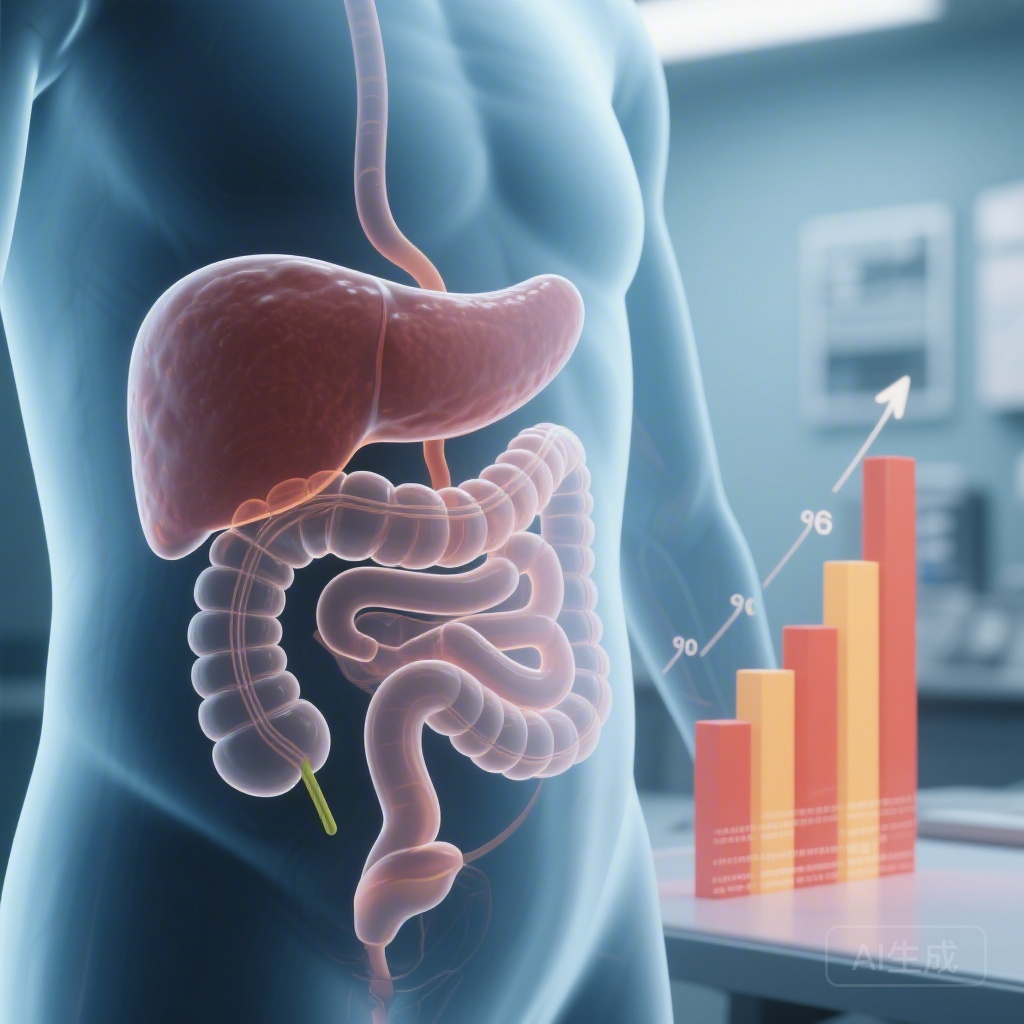
The Study of Drinks with Artificial Sweeteners (SODAS) randomized trial reveals that replacing habitual artificially sweetened beverages with water does not improve HbA1c levels in patients with type 2 diabetes, with the water group surprisingly showing higher HbA1c levels than the beverage group.
Behavioral Science-Integrated EHR Prompts Significantly Increase Deprescribing Rates for Older Adults: A Randomized Clinical Trial

Behavioral Science-Integrated EHR Prompts Significantly Increase Deprescribing Rates for Older Adults: A Randomized Clinical Trial

This randomized clinical trial demonstrates that EHR-based behavioral interventions, such as precommitment and boostering prompts, significantly improve deprescribing rates for potentially inappropriate medications in older adults, providing a scalable strategy to mitigate polypharmacy risks in primary care.
Minor Papillotomy for Pancreas Divisum: The SHARP Trial Challenges Decades of Endoscopic Practice

Minor Papillotomy for Pancreas Divisum: The SHARP Trial Challenges Decades of Endoscopic Practice

The SHARP randomized clinical trial finds that minor papillotomy does not significantly reduce the risk of recurrent acute pancreatitis in patients with pancreas divisum. These results challenge long-standing clinical practices and emphasize the need for sham-controlled evidence in interventional gastroenterology.
Oral Nalbuphine Significantly Reduces Cough Frequency in Patients with Idiopathic Pulmonary Fibrosis: Results from the CORAL Trial

Oral Nalbuphine Significantly Reduces Cough Frequency in Patients with Idiopathic Pulmonary Fibrosis: Results from the CORAL Trial

The CORAL Phase 2b trial demonstrates that oral nalbuphine extended release significantly reduces objective cough frequency and improves patient-reported symptoms in idiopathic pulmonary fibrosis, addressing a critical unmet need for managing this debilitating and often refractory symptom.
Rethinking Rhythm Management: Catheter Ablation Outperforms Medical Therapy in Atrial Fibrillation Patients with High Comorbidity Burden

Rethinking Rhythm Management: Catheter Ablation Outperforms Medical Therapy in Atrial Fibrillation Patients with High Comorbidity Burden

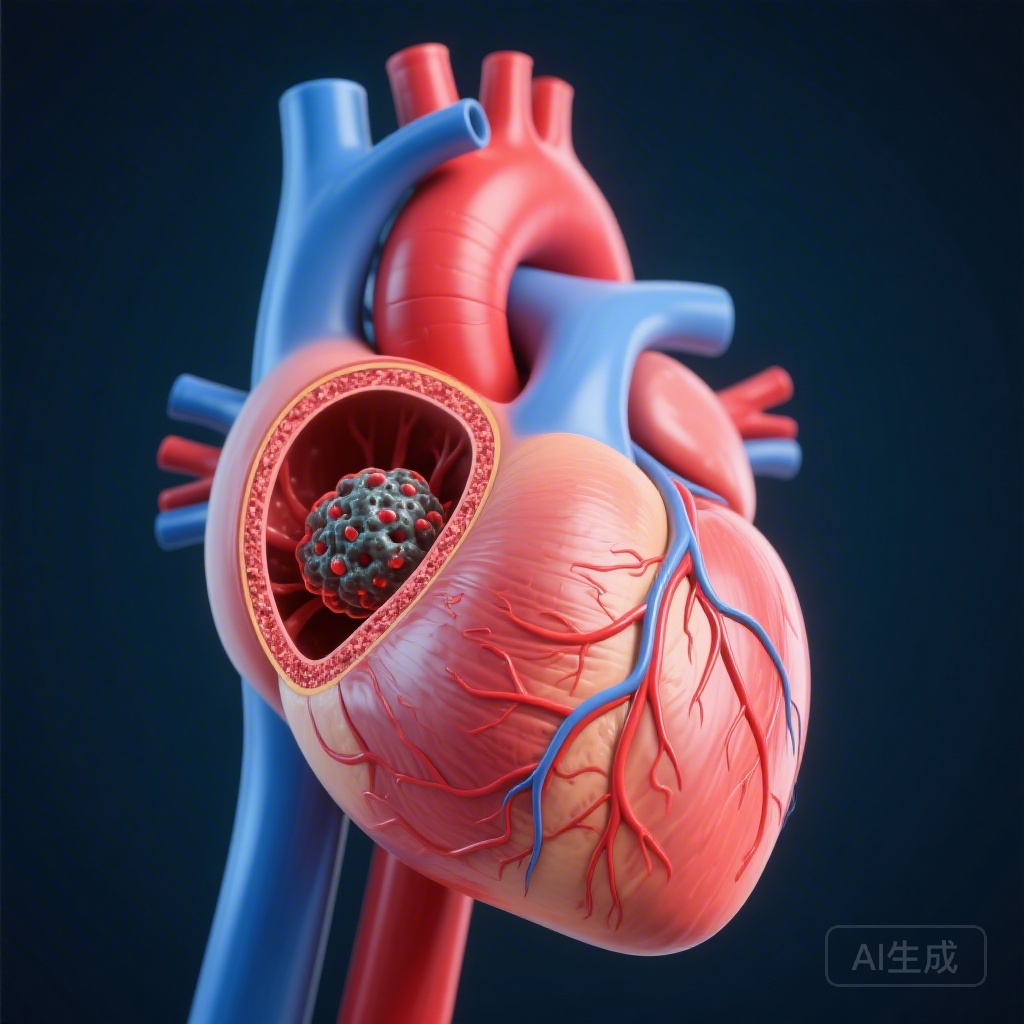
A post hoc analysis of the CABANA trial reveals that catheter ablation significantly reduces major cardiovascular events and improves quality of life in AF patients with high comorbidity burden (≥4 conditions), suggesting that multimorbidity should not be a barrier to invasive rhythm control strategies.
Survival Proportional Odds Outperforms Cox Regression in High-Heterogeneity Heart Failure Trials: Insights from DAPA-HF and DELIVER

Survival Proportional Odds Outperforms Cox Regression in High-Heterogeneity Heart Failure Trials: Insights from DAPA-HF and DELIVER

A critical reanalysis of the DAPA-HF and DELIVER trials reveals that the survival proportional odds model provides greater statistical power and more robust treatment effect estimates than traditional Cox regression in heart failure populations characterized by high risk heterogeneity.