Medicare Advantage and Cancer Surgery Outcomes: Are Patients Being Routed Away from High-Quality Hospitals?

Medicare Advantage and Cancer Surgery Outcomes: Are Patients Being Routed Away from High-Quality Hospitals?

This retrospective national cohort study reveals that Medicare Advantage (MA) enrollees undergoing major cancer surgery are less likely to receive care at high-quality hospitals compared to traditional Medicare beneficiaries, raising concerns about MA networks' impact on access to optimal surgical care.

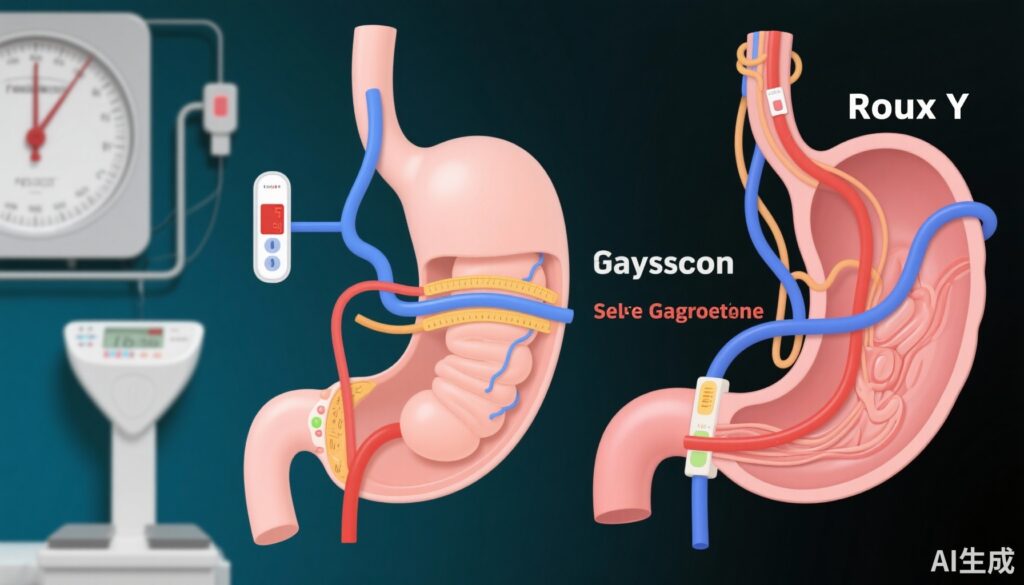
Duct-to-Mucosa versus Other Pancreaticojejunostomy Techniques for Preventing Postoperative Pancreatic Fistula: Updated Evidence and Clinical Insights

Duct-to-Mucosa versus Other Pancreaticojejunostomy Techniques for Preventing Postoperative Pancreatic Fistula: Updated Evidence and Clinical Insights

This Cochrane review update evaluates duct-to-mucosa pancreaticojejunostomy compared to other anastomotic techniques following pancreaticoduodenectomy for preventing postoperative pancreatic fistula, finding very low-certainty evidence and no clear superiority of any method.
Postoperative Pulmonary Complications in Conventional Laparoscopic vs Robot-Assisted Abdominal Surgery: Incidence, Risk Factors, and Clinical Implications

Postoperative Pulmonary Complications in Conventional Laparoscopic vs Robot-Assisted Abdominal Surgery: Incidence, Risk Factors, and Clinical Implications

This review synthesizes evidence comparing postoperative pulmonary complications (PPCs) between robot-assisted surgery (RAS) and conventional laparoscopic surgery (CLS) in abdominal procedures, highlighting the pivotal role of ventilation duration over surgical approach.
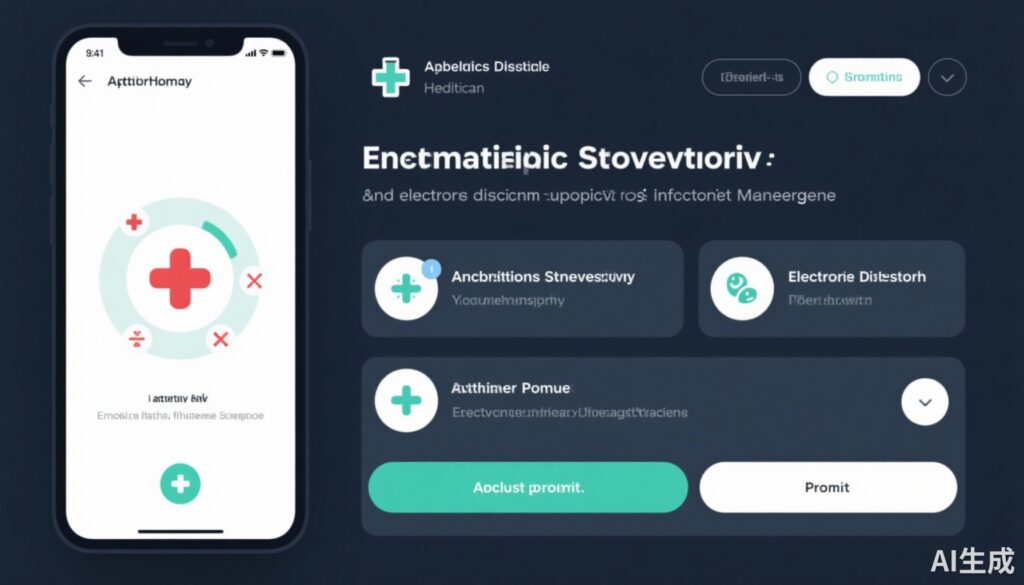
Optimizing Empiric Antibiotic Selection in Hospitalized Patients with Skin and Abdominal Infections: Insights from the INSPIRE 3 and 4 Cluster Randomized Clinical Trials

Optimizing Empiric Antibiotic Selection in Hospitalized Patients with Skin and Abdominal Infections: Insights from the INSPIRE 3 and 4 Cluster Randomized Clinical Trials

The INSPIRE 3 and 4 trials demonstrate that computerized provider order entry (CPOE) prompts with patient-specific MDRO risk estimates, combined with education and feedback, significantly reduce empiric extended-spectrum antibiotic use in skin, soft tissue, and abdominal infections without compromising safety.