Olezarsen Significantly Lowers Triglycerides and Cuts Pancreatitis Risk in Severe Hypertriglyceridemia: CORE‑TIMI 72a/CORE2‑TIMI 72b Results

Olezarsen Significantly Lowers Triglycerides and Cuts Pancreatitis Risk in Severe Hypertriglyceridemia: CORE‑TIMI 72a/CORE2‑TIMI 72b Results

Two randomized trials found monthly olezarsen (50 mg and 80 mg) produced large, dose-dependent triglyceride reductions and a marked decrease in acute pancreatitis compared with placebo in patients with severe hypertriglyceridemia; higher doses were linked to liver enzyme elevations, thrombocytopenia, and increased hepatic fat.
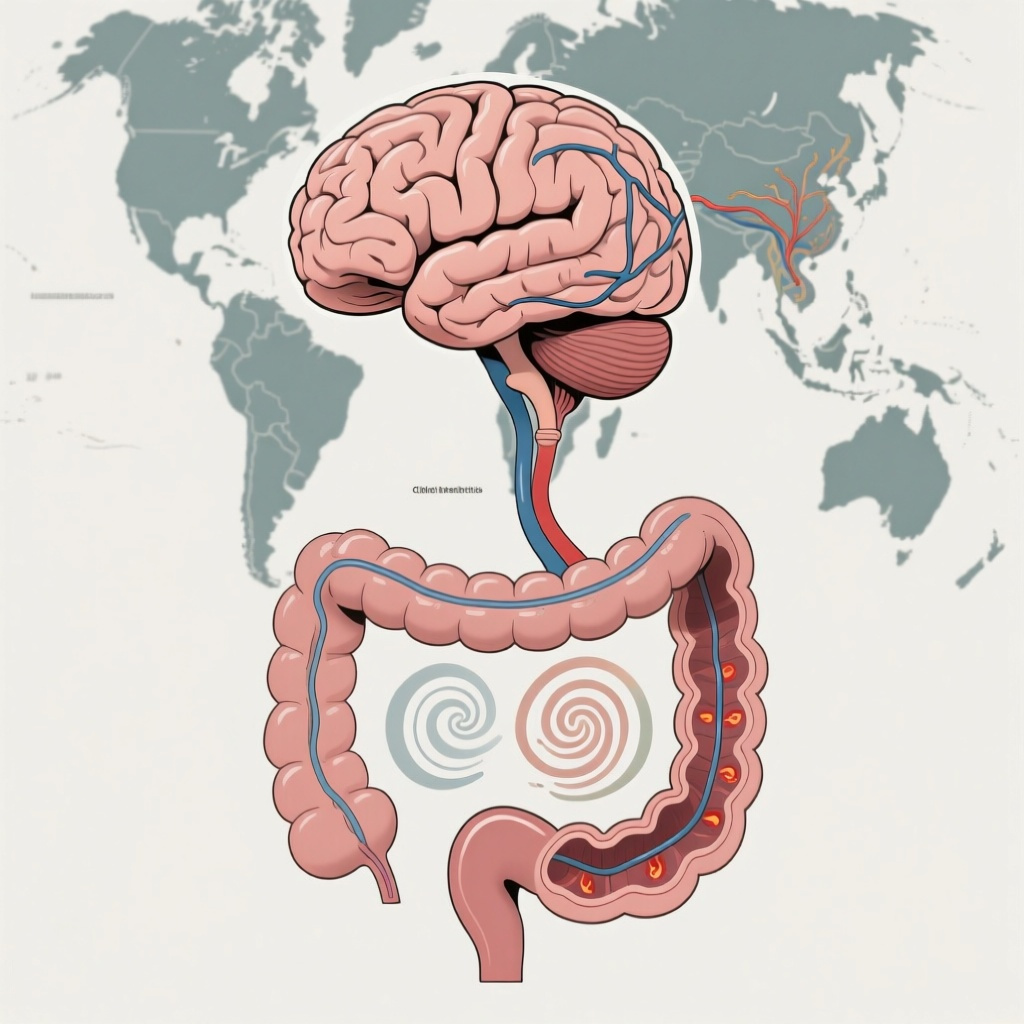
High Burden of ARFID Symptoms in Adults with Disorders of Gut–Brain Interaction: A Population-Based Study Signals Need for Routine Screening

High Burden of ARFID Symptoms in Adults with Disorders of Gut–Brain Interaction: A Population-Based Study Signals Need for Routine Screening

A 2023 population survey of 4,002 adults in the UK and US found that positive screens for avoidant/restrictive food intake disorder (ARFID) were common among people with disorders of gut–brain interaction (DGBI) and associated with greater health burden, underweight, poorer quality of life, and higher healthcare use.
Electroacupuncture Shortens Postoperative Ileus After Laparoscopic Gastrectomy: Translating a Multicenter RCT into Clinical Practice

Electroacupuncture Shortens Postoperative Ileus After Laparoscopic Gastrectomy: Translating a Multicenter RCT into Clinical Practice

A multicenter randomized trial shows electroacupuncture (EA) reduces time to first flatus and defecation and lowers prolonged POI after laparoscopic gastrectomy. Mechanistic plausibility, ERAS integration, and implementation challenges are discussed with priorities for future trials.
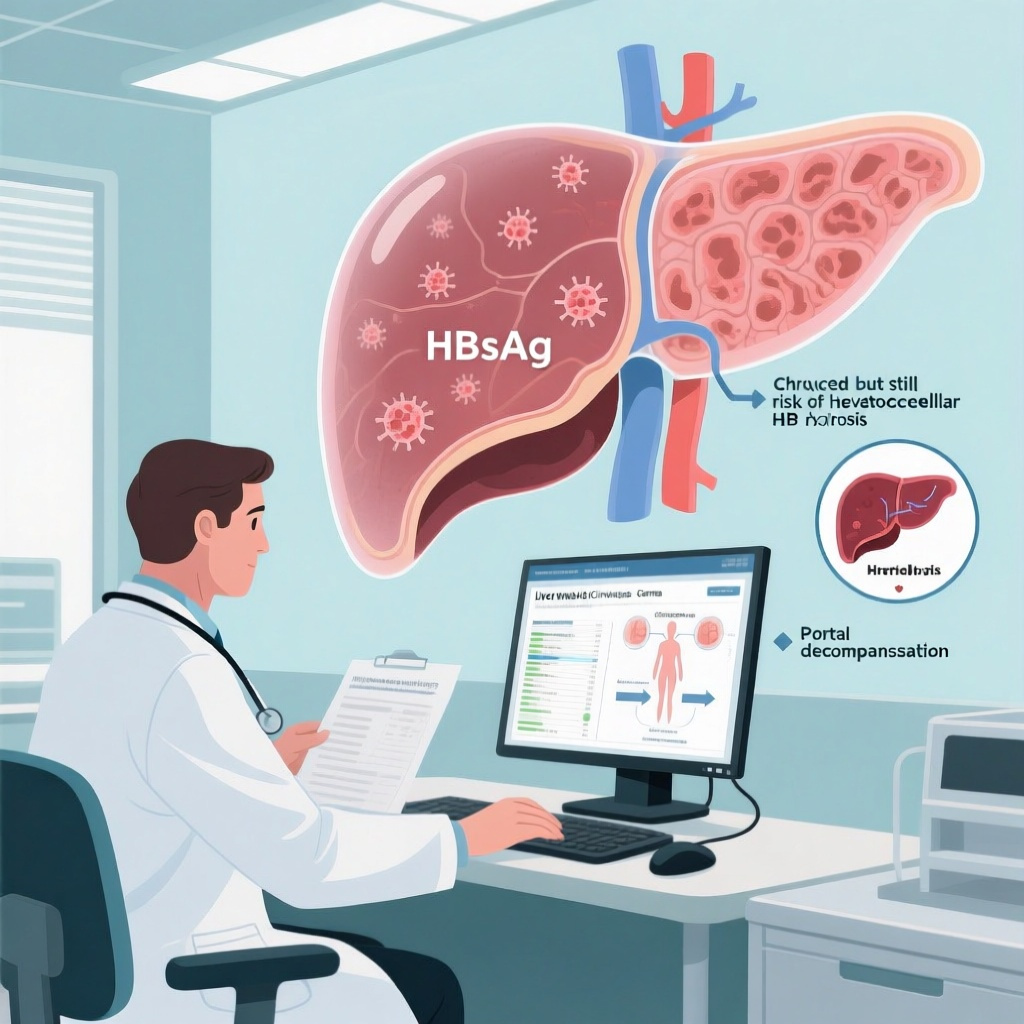
Where Are People with Chronic Hepatitis B Lost? Global review shows major gaps after diagnosis — especially outside specialist care

Where Are People with Chronic Hepatitis B Lost? Global review shows major gaps after diagnosis — especially outside specialist care

A global systematic review (110 cohorts, 50 countries) found substantial attrition across the hepatitis B care cascade: low rates of treatment eligibility assessment and antiviral initiation in primary/community models, poor retention particularly among untreated patients, and only ~73% viral suppression on therapy in specialist settings.
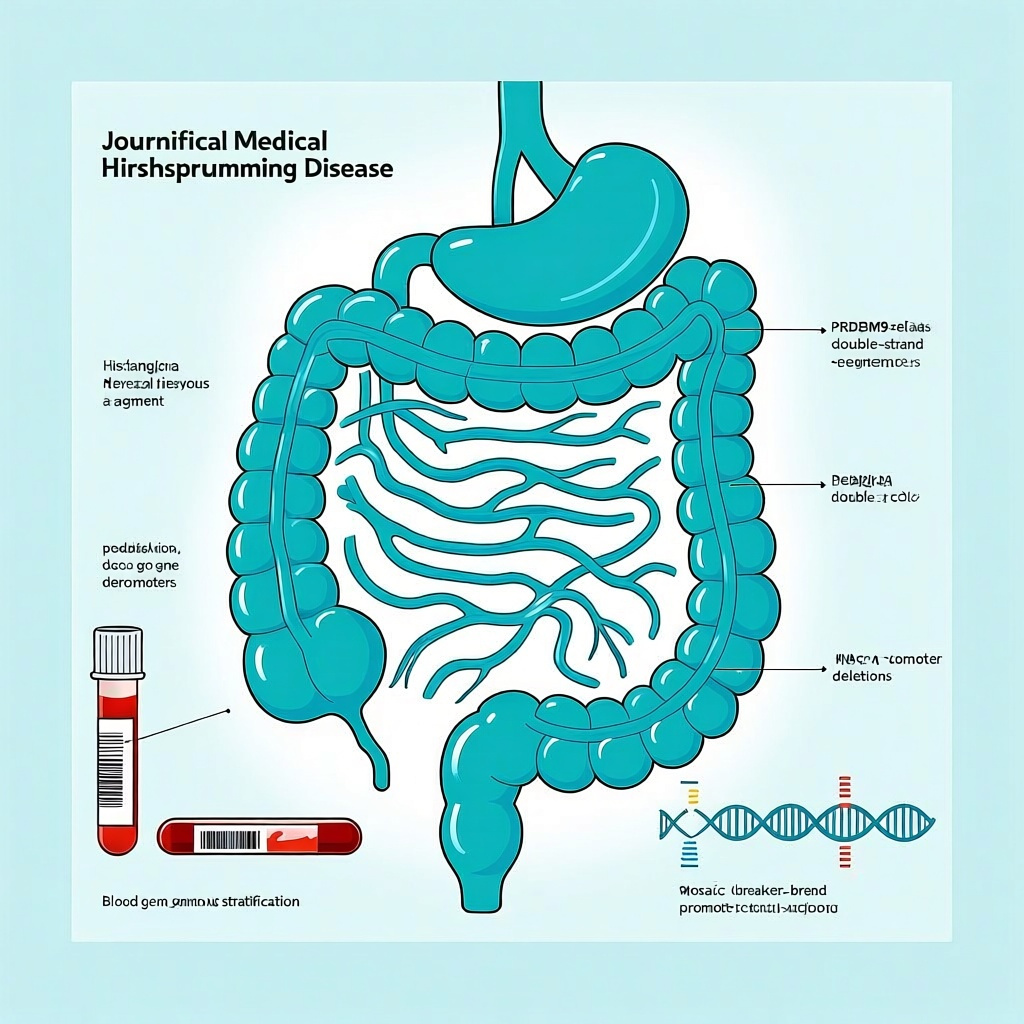
Peripheral blood DNA methylation signatures show promise for predicting response to vedolizumab and ustekinumab in Crohn’s disease — EPIC‑CD findings

Peripheral blood DNA methylation signatures show promise for predicting response to vedolizumab and ustekinumab in Crohn’s disease — EPIC‑CD findings

An epigenome-wide study (EPIC‑CD) identified peripheral blood DNA methylation panels that predicted response to vedolizumab and ustekinumab (validated AUC 0.75 each) but failed to predict adalimumab response. Models worked best in biologic‑naïve patients and outperformed available clinical decision support tools.
Linerixibat for Cholestatic Pruritus in Primary Biliary Cholangitis: Insights from the Phase 3 GLISTEN Trial and Related Studies

Linerixibat for Cholestatic Pruritus in Primary Biliary Cholangitis: Insights from the Phase 3 GLISTEN Trial and Related Studies

This review synthesizes evidence from the phase 3 GLISTEN trial and preceding studies on linerixibat, an ileal bile acid transporter inhibitor, demonstrating its efficacy and safety in reducing cholestatic pruritus in primary biliary cholangitis (PBC), and its impact on patient quality of life.
Endoscopic Ultrasound–Guided Gastroenterostomy Outperforms Surgical Gastrojejunostomy for Malignant Gastric Outlet Obstruction: randomized trial shows faster recovery, shorter stay and lower costs

Endoscopic Ultrasound–Guided Gastroenterostomy Outperforms Surgical Gastrojejunostomy for Malignant Gastric Outlet Obstruction: randomized trial shows faster recovery, shorter stay and lower costs

A multicentre randomized trial found EUS-guided gastroenterostomy (EUS-GE) superior to surgical gastrojejunostomy (SGJ) for malignant gastric outlet obstruction—improving oral intake, shortening hospital stay, enhancing quality of life and reducing costs.
ENDURO trial: EUS‑guided gastroenterostomy shortens time to oral intake and matches surgery for palliation of malignant gastric outlet obstruction

ENDURO trial: EUS‑guided gastroenterostomy shortens time to oral intake and matches surgery for palliation of malignant gastric outlet obstruction

A randomized trial (ENDURO) found endoscopic ultrasound‑guided gastroenterostomy (EUS‑GE) enabled earlier resumption of solid food and was non‑inferior to surgical gastrojejunostomy for recurrent obstruction, supporting EUS‑GE as preferred palliative therapy when expertise is available.