Alopecia Areata Linked to Elevated Risk of Microscopic Colitis and Other Immune-Mediated GI Disorders: Clinical Insights

Alopecia Areata Linked to Elevated Risk of Microscopic Colitis and Other Immune-Mediated GI Disorders: Clinical Insights

A large retrospective cohort study identifies a significant association between alopecia areata and increased risks of microscopic colitis, celiac disease, Crohn’s disease, eosinophilic esophagitis, and ulcerative colitis, highlighting the need for gastrointestinal screening in affected patients.
Unraveling Chronic Stress: The Role of Gut Dysbiosis and Vitamin B6 Metabolism in Stress-Related Brain Disorders Independent of Cortisol

Unraveling Chronic Stress: The Role of Gut Dysbiosis and Vitamin B6 Metabolism in Stress-Related Brain Disorders Independent of Cortisol

Recent evidence reveals gut dysbiosis-induced vitamin B6 metabolic disturbances as a novel, cortisol-independent mechanism driving chronic stress-related abnormal behaviors and inflammation, highlighting probiotic and vitamin B6 supplementation as potential therapeutic strategies.
Improving Sleep Quality through Cognitive Behavioural Therapy Alters Food Preferences in Adults with Overweight and Obesity

Improving Sleep Quality through Cognitive Behavioural Therapy Alters Food Preferences in Adults with Overweight and Obesity

Cognitive behavioural therapy for insomnia enhances self-reported sleep quality and duration, reduces cravings for sweet and savoury foods, and shifts implicit food preferences in adults with overweight or obesity, though dietary intake changes remain uncertain.
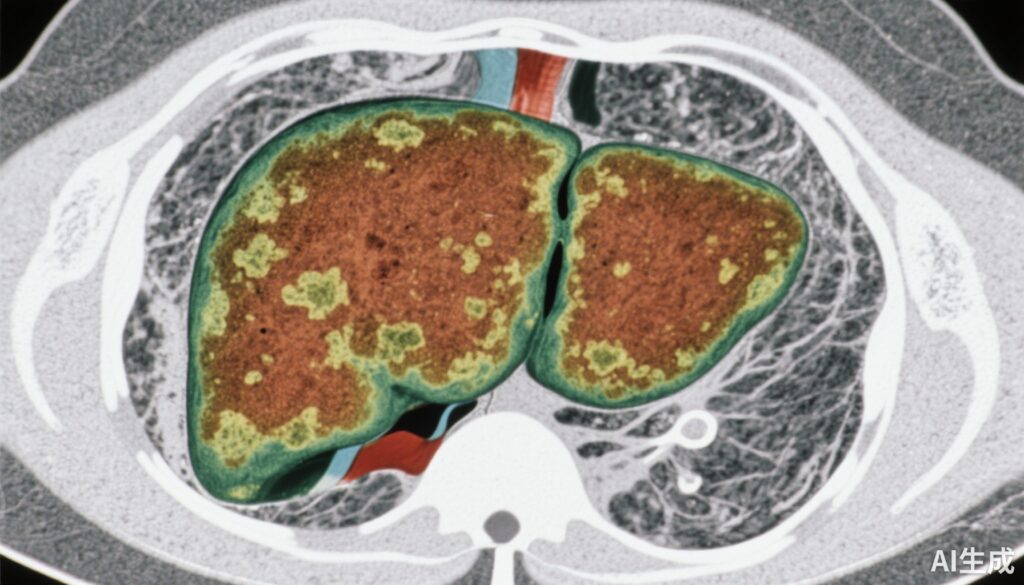
Intermittent Fasting vs Low-Calorie Diet in Managing Metabolic-Associated Fatty Liver Disease: Comparative Effects on Inflammation, Lipids, Glycemic Control, and Liver Fibrosis

Intermittent Fasting vs Low-Calorie Diet in Managing Metabolic-Associated Fatty Liver Disease: Comparative Effects on Inflammation, Lipids, Glycemic Control, and Liver Fibrosis

This RCT compares 16:8 intermittent fasting and low-calorie diets in MAFLD patients, revealing both improve liver enzymes and anthropometrics, but low-calorie diet shows superior reduction in liver steatosis, fibrosis, and triglycerides.
Afimkibart, an Anti-TL1A Antibody, in Moderately-to-Severely Active Ulcerative Colitis: Insights from the Phase 2b TUSCANY-2 Trial

Afimkibart, an Anti-TL1A Antibody, in Moderately-to-Severely Active Ulcerative Colitis: Insights from the Phase 2b TUSCANY-2 Trial

The TUSCANY-2 phase 2b trial evaluated afimkibart, a novel anti-TL1A antibody, in moderately-to-severely active ulcerative colitis, demonstrating favorable safety and clinically meaningful remission rates using modified Mayo scores despite primary endpoint statistical thresholds not being met by total Mayo scores.
Comparative Efficacy of Low FODMAP Plus Traditional Dietary Advice, Low-Carbohydrate Diet, and Pharmacological Treatment in Moderate-to-Severe IBS: Insights from the CARIBS Trial

Comparative Efficacy of Low FODMAP Plus Traditional Dietary Advice, Low-Carbohydrate Diet, and Pharmacological Treatment in Moderate-to-Severe IBS: Insights from the CARIBS Trial

The CARIBS trial shows that both low FODMAP plus traditional dietary advice and a low-carbohydrate diet outperform optimized pharmacologic treatment in reducing IBS symptom severity after 4 weeks, highlighting the importance of dietary interventions as first-line therapy.
Silymarin in Clinical Medicine: A Decade of Therapeutic Advances and Future Disease Targets

Silymarin in Clinical Medicine: A Decade of Therapeutic Advances and Future Disease Targets

Comprehensive review of recent decade research on silymarin elucidates its antioxidant, anti-inflammatory, and hepatoprotective effects, highlighting promising clinical applications in metabolic diseases, neurodegeneration, liver disorders, and inflammatory conditions, with emerging potential in oncology and dermatology.