Intensive Lifestyle Intervention Reduces HFpEF Risk in High-Risk Diabetes: The Prescriptive Power of NT-proBNP

Intensive Lifestyle Intervention Reduces HFpEF Risk in High-Risk Diabetes: The Prescriptive Power of NT-proBNP

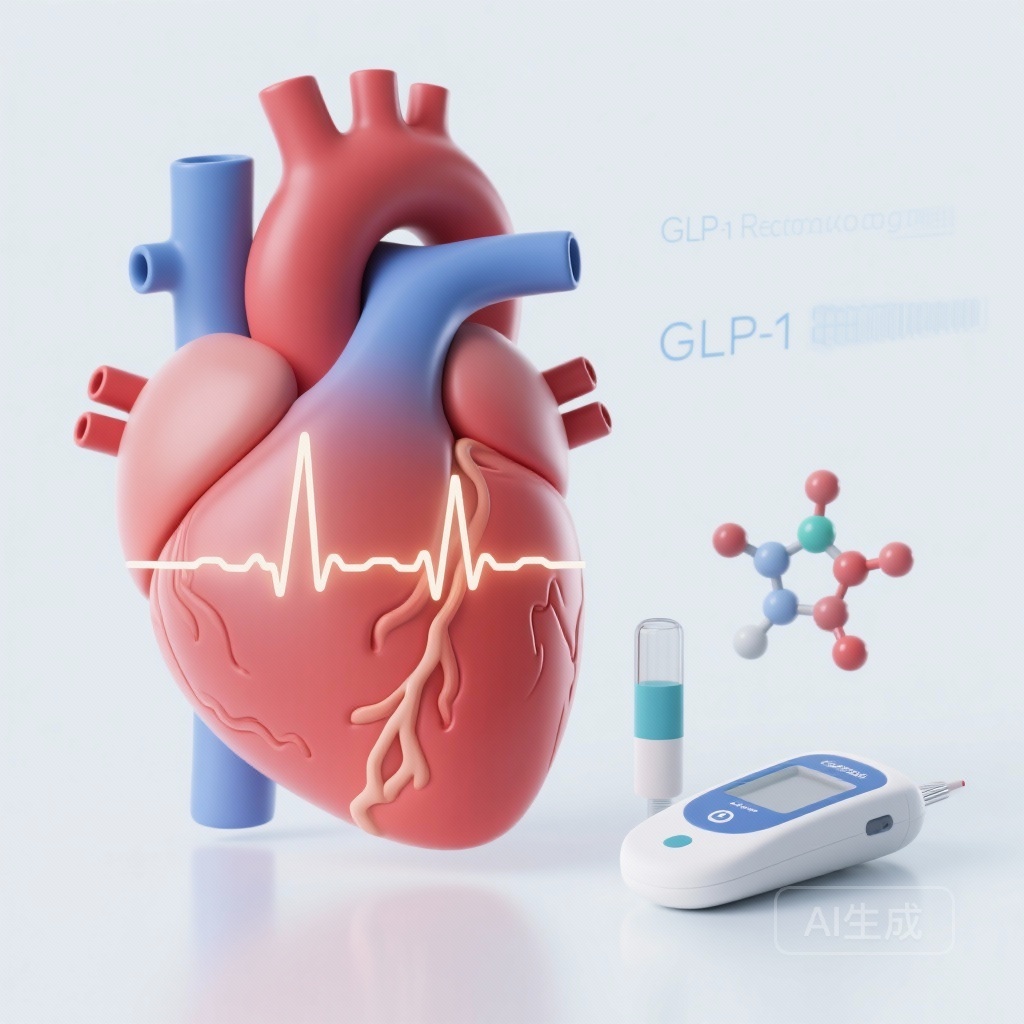
A post-hoc analysis of the Look AHEAD trial demonstrates that NT-proBNP levels can identify patients with type 2 diabetes who benefit most from intensive lifestyle interventions. ILI significantly reduced HFpEF risk in those with elevated or stable/decreasing NT-proBNP, supporting a biomarker-guided approach to prevention.
Comparative Efficacy, Safety, and Complications of Subcutaneous Versus Transvenous Implantable Cardioverter-Defibrillators: Insights from the PRAETORIAN and ATLAS Trials and Meta-Analyses

Comparative Efficacy, Safety, and Complications of Subcutaneous Versus Transvenous Implantable Cardioverter-Defibrillators: Insights from the PRAETORIAN and ATLAS Trials and Meta-Analyses

This review synthesizes randomized trial data comparing subcutaneous and transvenous ICDs, highlighting differences in inappropriate shocks, device-related complications, and shock efficacy, underscoring clinical considerations for ICD selection.
High BMI, High Benefit: How PCSK9 Inhibition Optimizes Outcomes in Obese Patients with ASCVD

High BMI, High Benefit: How PCSK9 Inhibition Optimizes Outcomes in Obese Patients with ASCVD

A prespecified analysis of the FOURIER trial reveals that patients with obesity and atherosclerotic cardiovascular disease experience significantly higher absolute and relative risk reductions with evolocumab, particularly those with a BMI above 35 kg/m2, emphasizing a targeted therapeutic advantage for this high-risk population.
Sacubitril-Valsartan Shows Biological Activity in Chagasic Heart Failure: Insights from the ANSWER-HF Trial

Sacubitril-Valsartan Shows Biological Activity in Chagasic Heart Failure: Insights from the ANSWER-HF Trial

The ANSWER-HF trial compared sacubitril-valsartan to enalapril in patients with Chagasic heart failure. Although the primary endpoint of LVEF improvement was not met at 6 months, significant reductions in NT-proBNP and a favorable win ratio suggest biological activity and safety in this neglected population.
Elevated Cardiac Biomarkers Serve as Early Indicators of Structural Brain Damage and Cognitive Decline: Insights from the Hamburg City Health Study

Elevated Cardiac Biomarkers Serve as Early Indicators of Structural Brain Damage and Cognitive Decline: Insights from the Hamburg City Health Study

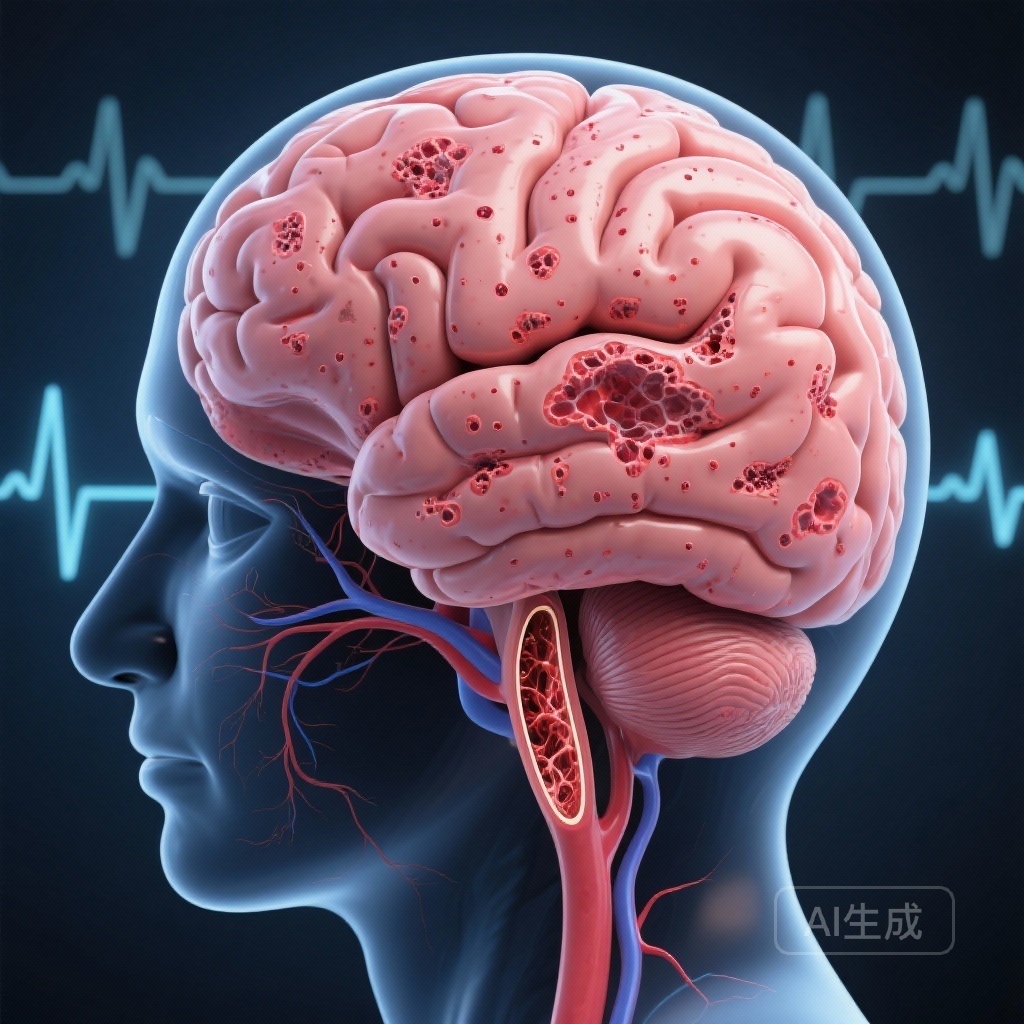
The Hamburg City Health Study reveals that elevated NT-proBNP and hs-cTnI are significantly linked to neurodegeneration and vascular brain injury. These cardiac biomarkers offer a non-invasive pathway for identifying patients at high risk for cognitive impairment and structural brain changes.