Intracardiac Echocardiography Is Noninferior to Transesophageal Echocardiography for Thrombus Screening in Atrial Fibrillation Ablation — with Added Safety and Efficiency Gains

Intracardiac Echocardiography Is Noninferior to Transesophageal Echocardiography for Thrombus Screening in Atrial Fibrillation Ablation — with Added Safety and Efficiency Gains

A multicenter randomized trial (N=1,810) found intracardiac echocardiography (ICE) noninferior to transesophageal echocardiography (TEE) for preventing periprocedural thromboembolism in AF ablation, while reducing bleeding related to transseptal puncture, fluoroscopy time, preprocedural wait, and patient anxiety.
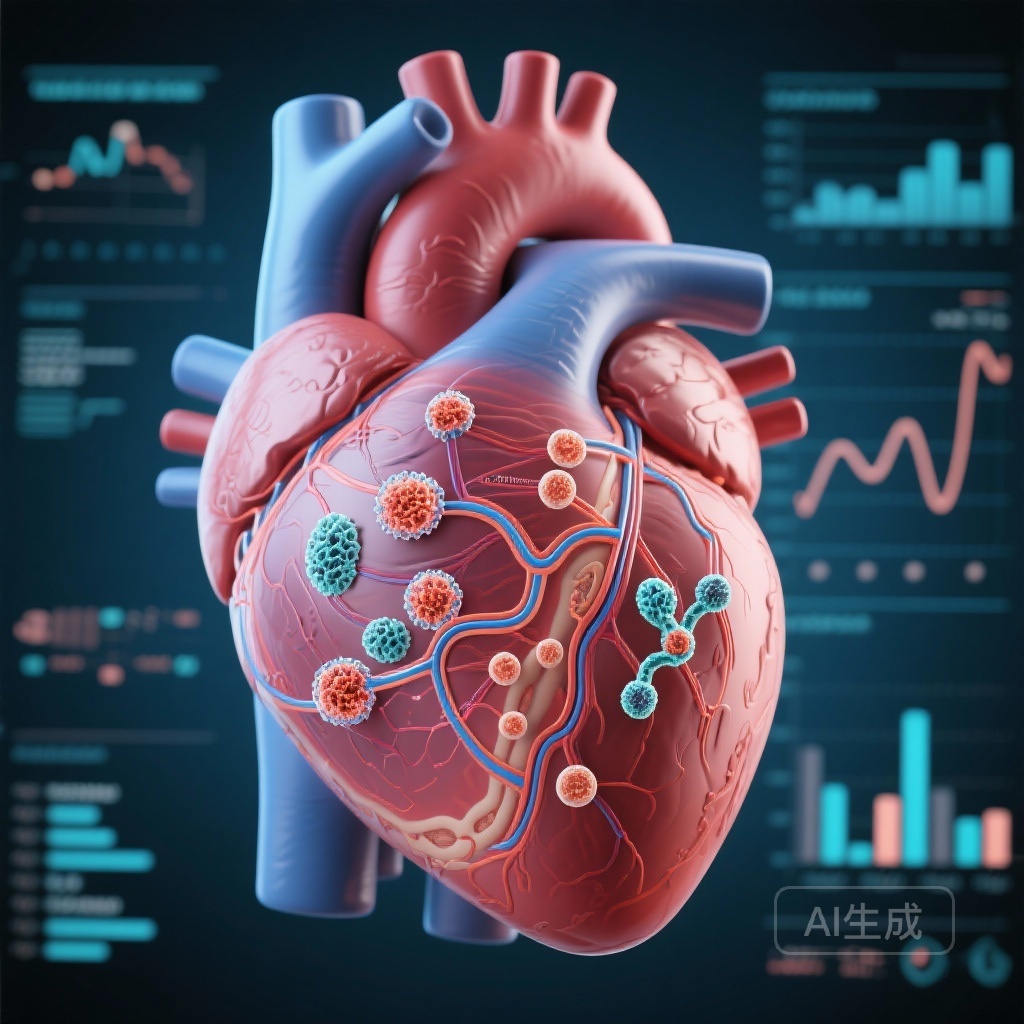
Early Innate Microvascular Inflammation and Endothelial Activation Define the Xenoimmune Signature After Pig-to-Human Heart Transplantation

Early Innate Microvascular Inflammation and Endothelial Activation Define the Xenoimmune Signature After Pig-to-Human Heart Transplantation

Multimodal analysis of two 10-gene–edited pig hearts transplanted into brain-dead human recipients revealed early innate microvascular inflammation with endothelial activation and a molecular profile consistent with antibody-mediated injury despite absent capillary C4d. A precision diagnostic approach may improve graft surveillance.
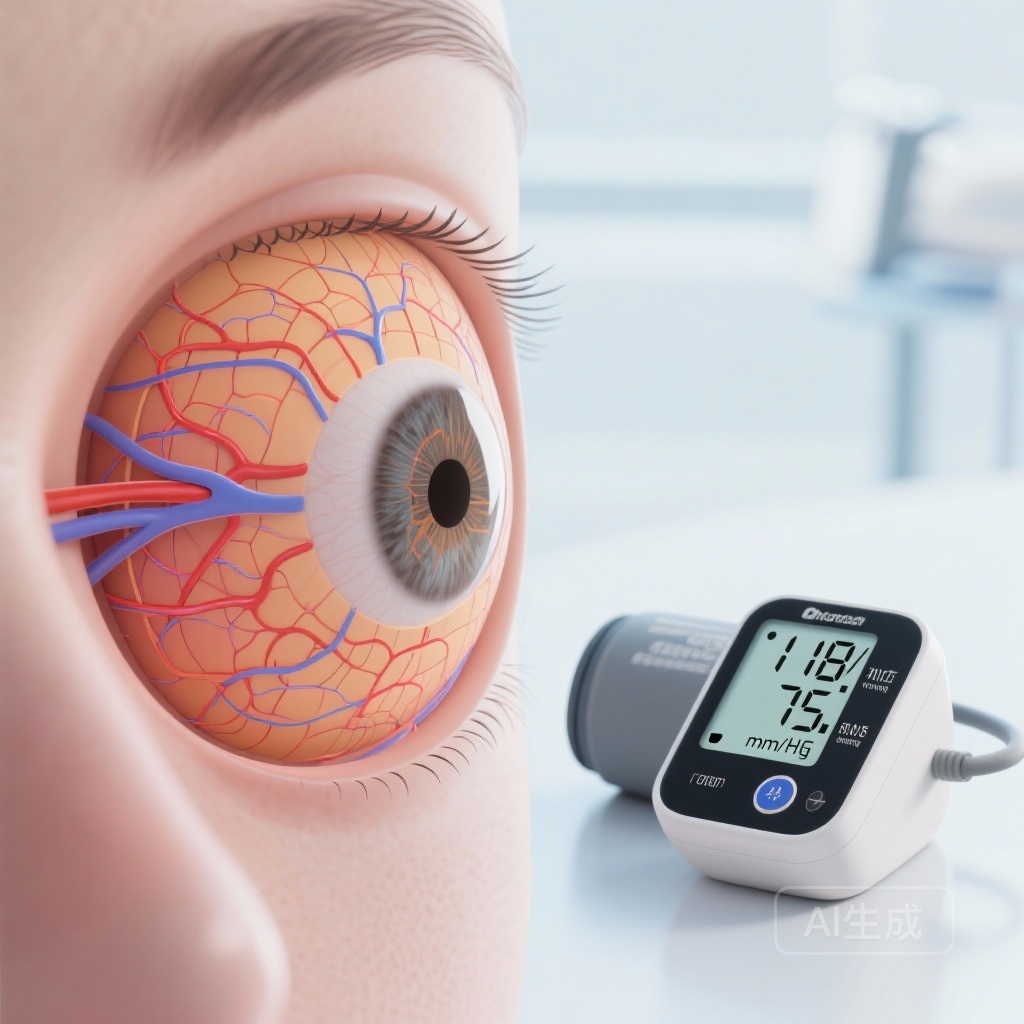
Elevated Blood Pressure in Adolescence Predicts Dose‑Dependent Coronary Atherosclerosis in Middle Age: Implications for Early Detection and Prevention

Elevated Blood Pressure in Adolescence Predicts Dose‑Dependent Coronary Atherosclerosis in Middle Age: Implications for Early Detection and Prevention

A Swedish cohort study of 10,222 men linked adolescent blood pressure to coronary atherosclerosis by CCTA ~40 years later; higher systolic BP in adolescence, even in the ‘elevated’ range, was associated with greater odds of severe (>50%) coronary stenosis in middle age.
Underweight in Type 2 Diabetes Raises Cardiovascular Risk — Severe Leanness Carries Greater Risk Than Obesity

Underweight in Type 2 Diabetes Raises Cardiovascular Risk — Severe Leanness Carries Greater Risk Than Obesity

A nationwide Korean cohort found that underweight patients with Type 2 diabetes—especially those with severe underweight—have higher cardiovascular risk than normal-weight and even some obese patients, underscoring the need to screen and manage malnutrition, sarcopenia, and frailty in diabetes care.
Excessive Glycosylation and the HBP–ISR Axis: A Metabolic Driver of Thoracic Aortic Aneurysm with Therapeutic Implications

Excessive Glycosylation and the HBP–ISR Axis: A Metabolic Driver of Thoracic Aortic Aneurysm with Therapeutic Implications

A preclinical and human tissue study shows up-regulation of the hexosamine biosynthetic pathway and downstream integrated stress response in thoracic aortic aneurysm, linking excessive glycosylation to vascular smooth muscle cell dysfunction and medial degeneration; pharmacologic inhibition reverses disease features in a Marfan model.
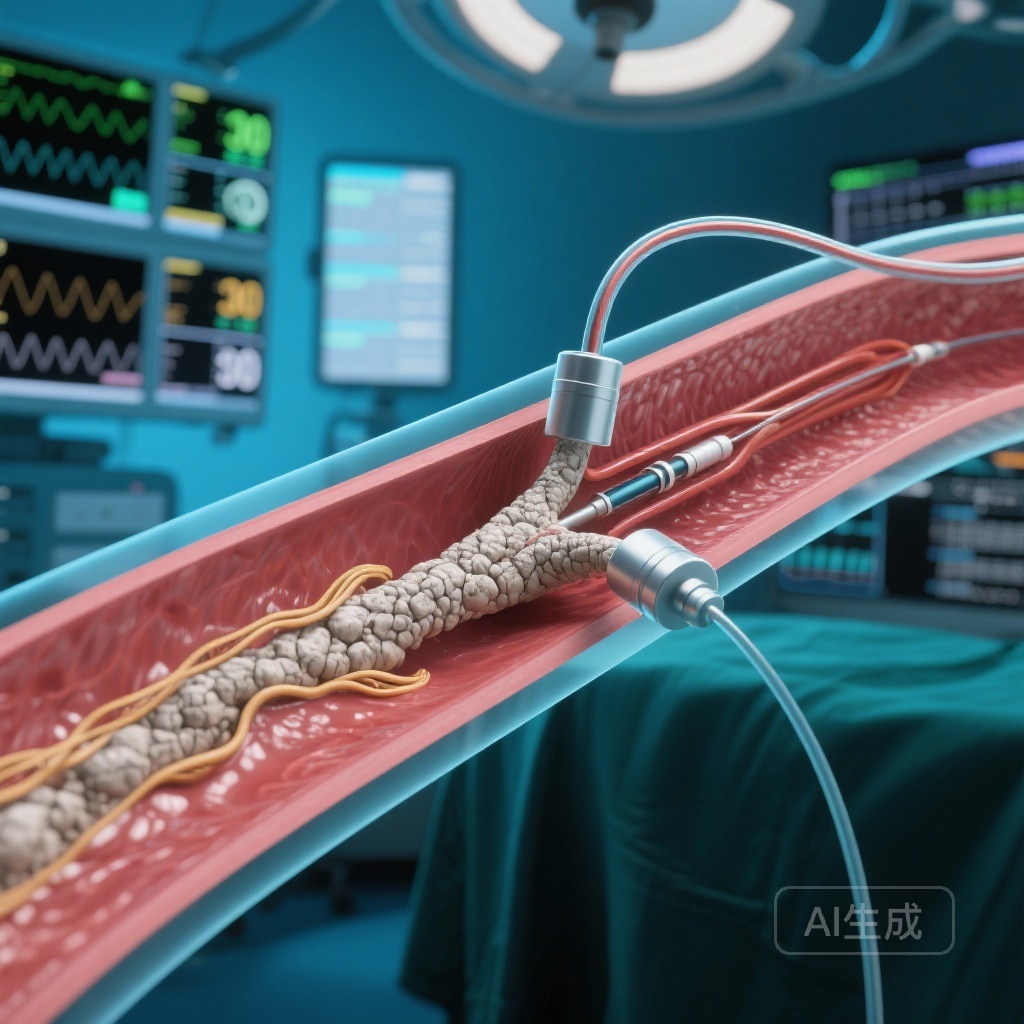
METTL14 and LATS1/2 Define Divergent Endothelial Programs That Drive Vascular Ageing and Atherothrombosis — New Therapeutic Nodes in Cardio‑Vascular Senescence

METTL14 and LATS1/2 Define Divergent Endothelial Programs That Drive Vascular Ageing and Atherothrombosis — New Therapeutic Nodes in Cardio‑Vascular Senescence

Two complementary studies identify METTL14/TLR4 and LATS1/2–CD38–SUOX axes as key drivers of endothelial senescence phenotypes that promote arterial ageing, stiffness, fragile neovessels and atherothrombotic plaque formation, highlighting new biomarker and therapeutic opportunities.
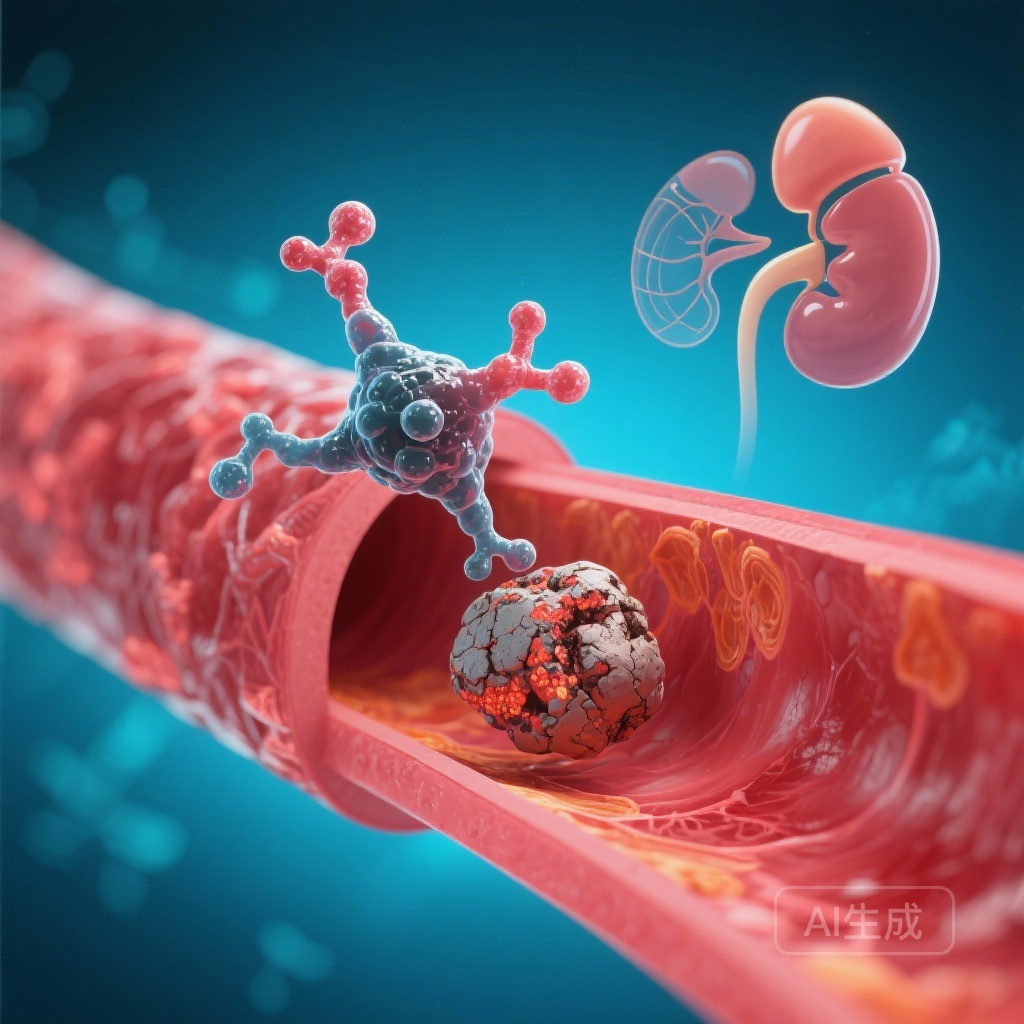
Normalising Renin After Medical Therapy for Primary Aldosteronism May Lower Cardiovascular Risk — But RCTs Are Needed

Normalising Renin After Medical Therapy for Primary Aldosteronism May Lower Cardiovascular Risk — But RCTs Are Needed

A 2025 systematic review and meta-analysis found that patients with primary aldosteronism whose renin rose after mineralocorticoid receptor antagonist therapy had substantially lower cardiovascular event rates and possibly lower mortality, suggesting renin normalisation as a therapeutic target pending prospective confirmation.
Surgical aortic valve replacement produces about twice the carbon footprint of transcatheter approaches: clinical and stewardship implications

Surgical aortic valve replacement produces about twice the carbon footprint of transcatheter approaches: clinical and stewardship implications

A life cycle assessment found SAVR emits ~620–750 kg CO2e per case—roughly double OR- or cath-lab TAVR (~280–360 kg CO2e). ICU length of stay and postoperative care were the dominant contributors, highlighting targets for low-carbon perioperative pathways and policy-level decision-making.
Dual Pathology No Longer a Dead End: Tafamidis and AVR Improve Survival in Aortic Stenosis with Cardiac Transthyretin Amyloidosis

Dual Pathology No Longer a Dead End: Tafamidis and AVR Improve Survival in Aortic Stenosis with Cardiac Transthyretin Amyloidosis

In a multinational registry of patients with concomitant aortic stenosis (AS) and transthyretin cardiac amyloidosis (ATTR‑CA), both ATTR‑specific therapy (predominantly tafamidis) and aortic valve replacement (AVR) were independently associated with lower mortality. Combined therapy produced outcomes comparable to lone AS treated with AVR.