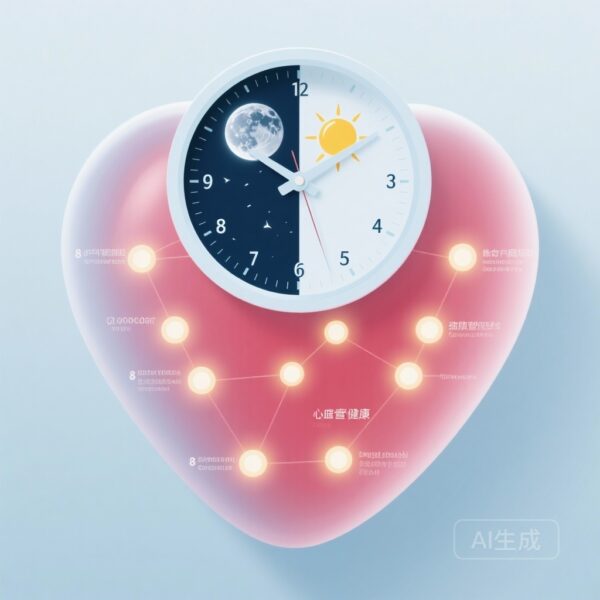
The Circadian Dimension of Metabolic Disease
The human biological clock, or circadian rhythm, is a fundamental regulator of physiological homeostasis, influencing everything from hormone secretion to glucose metabolism. Chronotype—an individual’s preference for activity and sleep at specific times of the day—serves as a behavioral manifestation of this internal clock. Emerging evidence suggests that a misalignment between an individual’s endogenous rhythm and the external environment, often seen in ‘evening chronotypes’ or ‘night owls,’ may be a significant driver of chronic disease progression. In the context of type 2 diabetes mellitus (T2DM), this circadian disruption is increasingly recognized not merely as a lifestyle preference, but as a clinical phenotype associated with adverse outcomes.