Deep Capillary Plexus Defects Emerge as a Universal Biomarker for Retinal Ischemia Across All Retinal Regions in Diabetic Retinopathy

Deep Capillary Plexus Defects Emerge as a Universal Biomarker for Retinal Ischemia Across All Retinal Regions in Diabetic Retinopathy

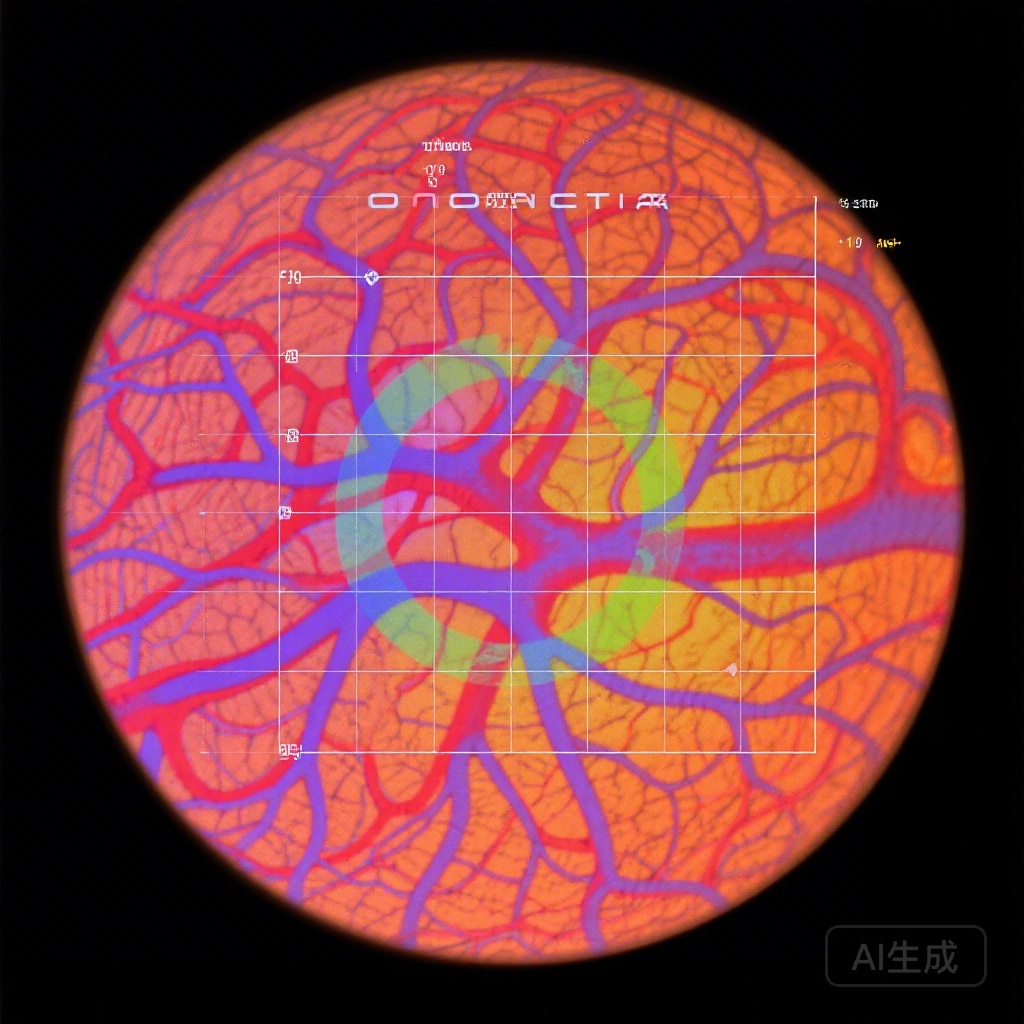
Novel OCTA biomarkers reveal that geometric perfusion deficits in the deep capillary plexus serve as robust predictors of retinal nonperfusion across posterior, peripheral, and total retinal regions, while foveal avascular zone enlargement specifically reflects posterior ischemic changes in diabetes.
Quantitative Retinal Leakage on Ultra-Widefield Imaging: A New Biomarker for Predicting Diabetic Retinopathy Progression

Quantitative Retinal Leakage on Ultra-Widefield Imaging: A New Biomarker for Predicting Diabetic Retinopathy Progression

A post hoc analysis of the DRCR Retina Network Protocol AA reveals that automated quantitative leakage index on ultra-widefield fluorescein angiography independently predicts the 4-year risk of DRSS worsening and vision-threatening complications in patients with nonproliferative diabetic retinopathy.
Indole-3-Propionic Acid Bridges Gut Dysfunction and Diabetic Retinopathy — A Biomarker and Therapeutic Avenue

Indole-3-Propionic Acid Bridges Gut Dysfunction and Diabetic Retinopathy — A Biomarker and Therapeutic Avenue

A Gut 2025 study identifies microbially produced indole-3-propionic acid (IPA) as a protective metabolite linking restored intestinal tryptophan handling to prevention of diabetic retinopathy in mice and associates low serum IPA with retinopathy in people with type 2 diabetes.