Highlight
– No intracranial hemorrhage (ICH) was observed in neonates delivered vaginally among pregnancies affected by fetal and neonatal alloimmune thrombocytopenia (FNAIT) treated antenatally with intravenous immunoglobulin (IVIG).– The study compared bleeding outcomes between vaginal and cesarean delivery modes in high-risk and standard-risk FNAIT pregnancies.
– Weekly IVIG treatment was administered in 99% of subsequent pregnancies with HPA incompatibility.
– Vaginal delivery appeared safe regarding major bleeding events in this cohort, challenging routine cesarean preference.
Study Background
Fetal and neonatal alloimmune thrombocytopenia (FNAIT) arises when maternal alloantibodies target fetal platelet antigens, leading to fetal thrombocytopenia. This immunologic condition can result in severe neonatal bleeding complications, notably intracranial hemorrhage (ICH), which carries significant morbidity and mortality risks. Current management strategies focus on antenatal interventions such as intravenous immunoglobulin (IVIG) to reduce bleeding risk, and obstetric management often favors cesarean section deliveries to mitigate trauma. However, the evidence guiding optimal mode of delivery remains limited and debated. This study sought to clarify whether vaginal deliveries, in clinically managed cases with IVIG treatment, increase the risk of bleeding complications compared to cesarean sections in FNAIT pregnancies.Study Design
This retrospective cohort study utilized data from Sanquin Diagnostic Services and Leiden University Medical Center in the Netherlands — national centers for FNAIT diagnostics and management. It included women with confirmed alloantibodies against human platelet antigens (HPA) from an index pregnancy complicated by FNAIT, followed by subsequent HPA-incompatible pregnancies between March 1992 and February 2026. A total of 73 subsequent pregnancies were analyzed, subdivided into 16 high-risk pregnancies (defined by prior severe neonatal thrombocytopenia or bleeding) and 57 standard-risk ones. The primary outcome was the incidence of severe bleeding events, especially intracranial hemorrhage (ICH), and other bleeding symptoms in neonates according to mode of delivery. Nearly all cases (99%) received weekly antenatal IVIG treatment.Key Findings
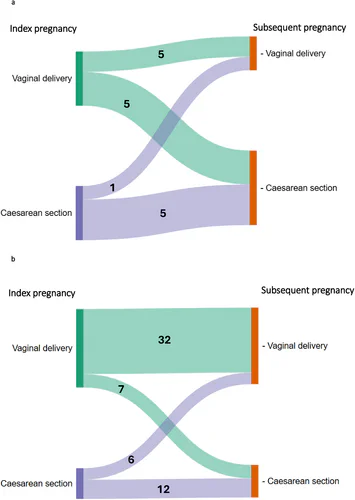
Among the 73 subsequent pregnancies, 44 neonates were delivered vaginally and 29 by cesarean section. In the high-risk subgroup (n=16), 10 cesarean deliveries resulted in four neonates with platelet counts below 50 x 10^9/L but without bleeding complications. Six vaginal deliveries resulted in two neonates with platelet counts below this threshold, also without bleeding. In the larger standard-risk group (n=57), 19 cesareans led to eight neonates with platelet counts under 50 x 10^9/L; however, none experienced intracranial hemorrhage. There was one antenatal ICH detected before initiation of IVIG therapy. Additionally, three neonates developed minor bleeding signs such as petechiae or hematomas. Among the 38 vaginally delivered neonates in this group, 13 had platelet counts below 50 x 10^9/L and one developed petechiae. Importantly, no neonates delivered vaginally experienced ICH. Overall, combining both risk groups, vaginal delivery was not associated with increased occurrence of severe bleeding or ICH in this treated population.Interpretation
These data suggest that with effective antenatal IVIG management, vaginal birth does not increase the risk of intracranial hemorrhage or major bleeding compared to cesarean section in pregnancies complicated by FNAIT. While thrombocytopenia remains prevalent regardless of delivery mode, bleeding events were rare and mild. This finding challenges the common practice of elective cesarean delivery solely to prevent hemorrhagic complications in FNAIT-affected pregnancies and suggests vaginal delivery can be considered a safe option under appropriate clinical monitoring.Expert Commentary
Current guidelines on FNAIT emphasize antenatal IVIG and platelet transfusions but lack consensus on delivery mode. Some practitioners recommend cesarean birth to avoid birth trauma and possible bleeding, especially intracranial hemorrhage, the most feared complication. However, the retrospective data presented here align with previous smaller series showing low bleeding incidence in vaginal deliveries when antenatal immunotherapy is optimized. Limitations include retrospective design and potential selection biases. The high prevalence of IVIG use likely reflects contemporary standards but may limit applicability where such treatment is unavailable. Prospective studies or registries could further validate these findings. Clinicians should weigh maternal risks of cesarean delivery and neonatal benefits realistically, integrating these data into shared decision making.Conclusion
In pregnancies at risk of FNAIT managed with antenatal weekly IVIG, vaginal delivery was not associated with intracranial hemorrhage or severe neonatal bleeding complications. This evidence supports considering vaginal birth as a safe and viable option in appropriately treated cases, potentially reducing the need for cesarean sections driven solely by FNAIT-related bleeding concerns. Future prospective studies should confirm these findings and guide tailored delivery planning balancing maternal and neonatal outcomes.Funding and Registration
The study represents data collated from national institutes with no explicit funding disclosures provided in the report. No clinical trial registration number is indicated, consistent with its retrospective observational design.References
1. Pothof R, van den Akker ESA, de Haas M, et al. Mode of Birth and Bleeding Outcomes in Pregnancies at Risk of Fetal and Neonatal Alloimmune Thrombocytopenia: A Retrospective Cohort Study. BJOG. 2026 Nov 8. PMID: 43000046. 2. Kaplan C, Stroncek DF. Alloimmune thrombocytopenia: pathogenesis, diagnosis, and management. Blood Reviews. 2020;43:100673. 3. Bussel JB, Khairallah C. Therapeutic use of intravenous immunoglobulin in fetal and neonatal alloimmune thrombocytopenia. Transfus Med Rev. 2014;28(3):123-131. 4. Peterson JA, Pesnicak L, Hubbard AV. Delivery mode in FNAIT: balancing safety and bleeding risk. Obstet Gynecol Surv. 2019;74(2):105-112.Specialty calculators
For clinical reference; use professional judgment.