Highlight
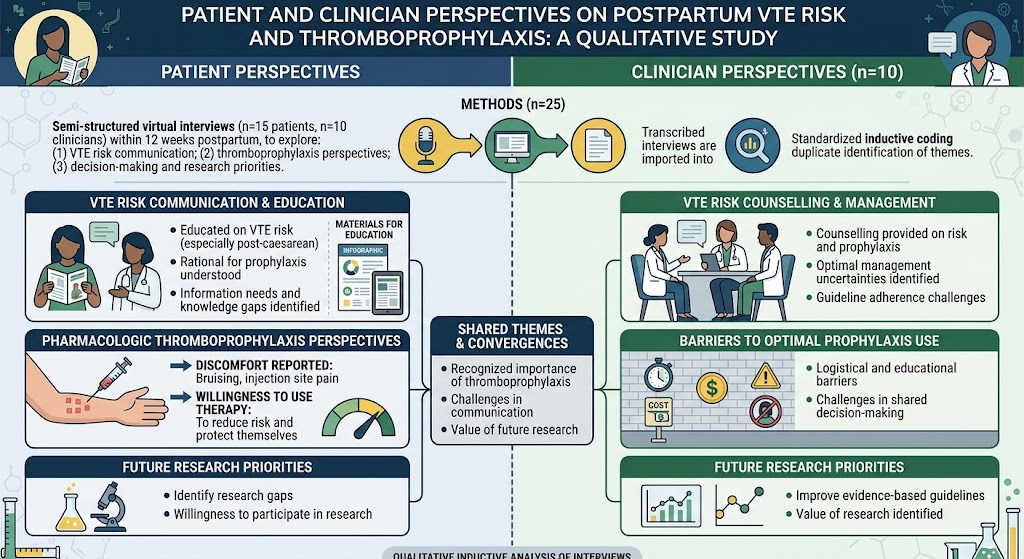
This qualitative study reveals that while patients undergoing caesarean delivery are generally informed about the risk of postpartum venous thromboembolism (VTE) and the rationale for pharmacologic thromboprophylaxis, some knowledge gaps and discomfort with prophylaxis exist. Obstetric clinicians regularly counsel patients but face barriers including uncertainties about optimal management. Both groups emphasize the critical need for enhanced communication tools and focused research to refine individualized risk assessments and evidence-based prophylaxis protocols.