
Skip to content
medxy logo Medxy AI
  • Specialties
    • Allergy & Immunology
    • Anesthesiology
    • Cardiology
    • Critical Care
    • Dermatology
    • Diabetes & Endocrinology
    • Emergency Medicine
    • Family Medicine & Nutrition
    • Gastroenterology
    • General Surgery
    • Hematology-Oncology
    • HIV/AIDS
    • Infectious Diseases
    • Internal Medicine
    • Nephrology
    • Neurology
    • Nursing & care
    • OB/GYN & Women’s Health
    • Oncology
    • Ophthalmology
    • Orthopedics
    • Otorhinolaryngology
    • Pathology & Lab Medicine
    • Pediatrics
    • Plastic Surgery
    • Psychiatry
    • Public Health
    • Radiology
    • Respiratory
    • Rheumatology
    • Urology
  • Clinical Updates
  • Medical News
  • iDoctor
  • Specialties
    • Allergy & Immunology
    • Anesthesiology
    • Cardiology
    • Critical Care
    • Dermatology
    • Diabetes & Endocrinology
    • Emergency Medicine
    • Family Medicine & Nutrition
    • Gastroenterology
    • General Surgery
    • Hematology-Oncology
    • HIV/AIDS
    • Infectious Diseases
    • Internal Medicine
    • Nephrology
    • Neurology
    • Nursing & care
    • OB/GYN & Women’s Health
    • Oncology
    • Ophthalmology
    • Orthopedics
    • Otorhinolaryngology
    • Pathology & Lab Medicine
    • Pediatrics
    • Plastic Surgery
    • Psychiatry
    • Public Health
    • Radiology
    • Respiratory
    • Rheumatology
    • Urology
  • Clinical Updates
  • Medical News
  • iDoctor
  • facebook.com
  • twitter.com
  • t.me
  • instagram.com
  • youtube.com
Subscribe

SRPK3

  • Home
  • SRPK3
SRPK3-Driven TPM1 Splicing Emerges as a Myofilament Mechanism of Diastolic Dysfunction in HFpEF
Posted inCardiology Internal Medicine news

SRPK3-Driven TPM1 Splicing Emerges as a Myofilament Mechanism of Diastolic Dysfunction in HFpEF

Posted by MedXY By MedXY 06/09/2026
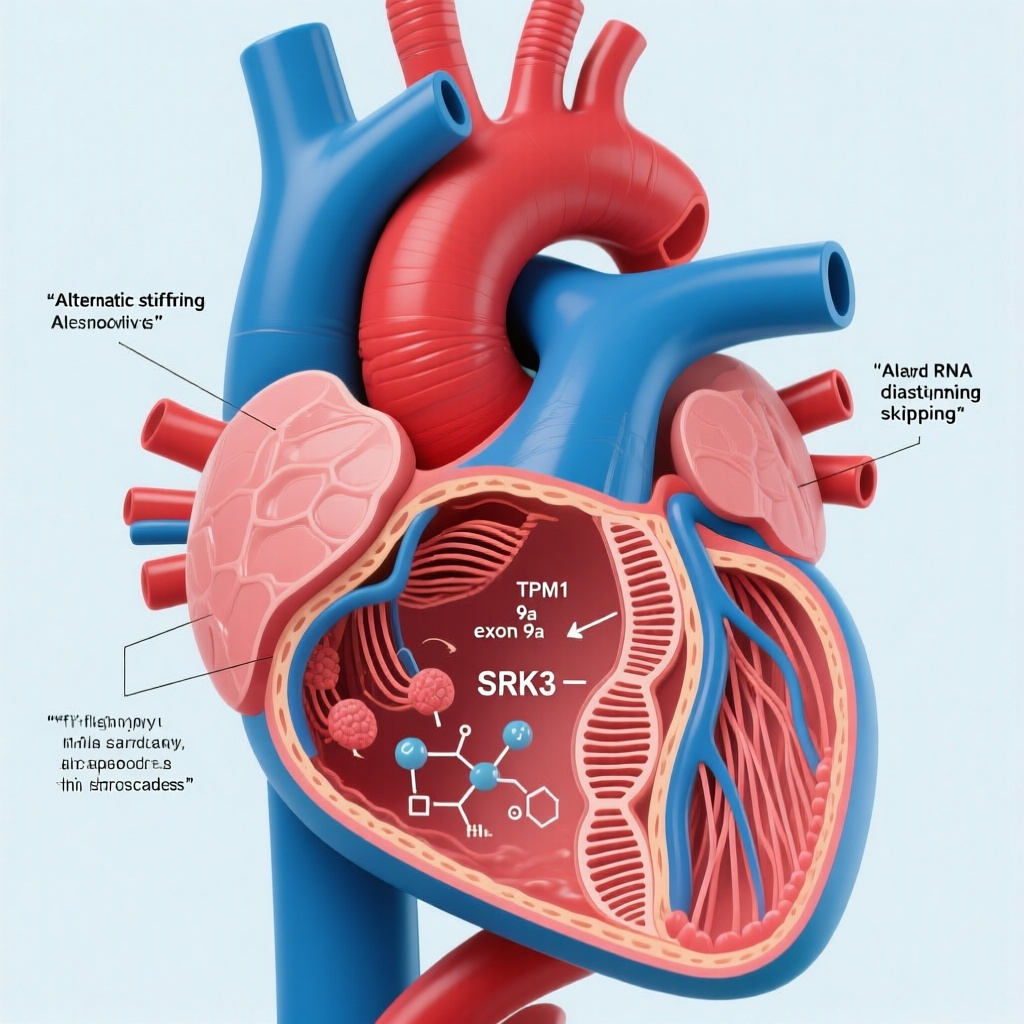
A Circulation study identifies SRPK3-mediated alternative splicing of TPM1 exon 9a as a driver of myofibrillar disarray, reduced myocardial compliance, and diastolic dysfunction in HFpEF, highlighting a potential disease-modifying therapeutic target.
Read More
  • High-Intensity Interval Exercise in Type 1 Diabetes: Stronger Protection Against Exercise-Related Glycaemic Decline in the Postabsorptive Than Postprandial State
  • Biochemical Control Is Not Enough: Why Acromegaly Still Carries Major Quality-of-Life and Treatment Burden
  • Early 15% Weight Loss After Type 2 Diabetes Diagnosis Linked to Lower Complication Risk
  • CagriSema for Early Type 2 Diabetes: Interpreting the Phase 3a REIMAGINE 1 Trial in the Context of Incretin–Amylin Combination Therapy
  • More ANOCA Endotypes, More Angina: Comprehensive Coronary Function Testing Reveals a Graded Symptom Burden
  • About us
  • Contact us
  • MedXY story
  • Privacy Policy
  • Subscribe Now!
  • 账号

  • English
  • 日本語
  • Tiếng Việt
  • 中文

Alzheimer's disease artificial intelligence atrial fibrillation biomarkers breast cancer Cardiology cardiovascular disease cardiovascular risk chronic kidney disease clinical trial clinical trials critical care depression diabetes epidemiology health heart failure Hypertension immunotherapy inflammation MASLD mental health metformin Mortality myocardial infarction nutrition obesity older adults oncology Pediatrics precision medicine Pregnancy prevention prostate cancer public health randomized clinical trial randomized trial risk stratification SGLT2 inhibitors stroke targeted therapy type 1 diabetes type 2 diabetes weight loss women's health

Your health, we care

Copyright 2026 — Medxy AI. All rights reserved.
Scroll to Top
Sign in