Most Women Have Anterior-Apical Prolapse, But Phenotype Does Not Predict Recurrence After Native Tissue Repair

Most Women Have Anterior-Apical Prolapse, But Phenotype Does Not Predict Recurrence After Native Tissue Repair

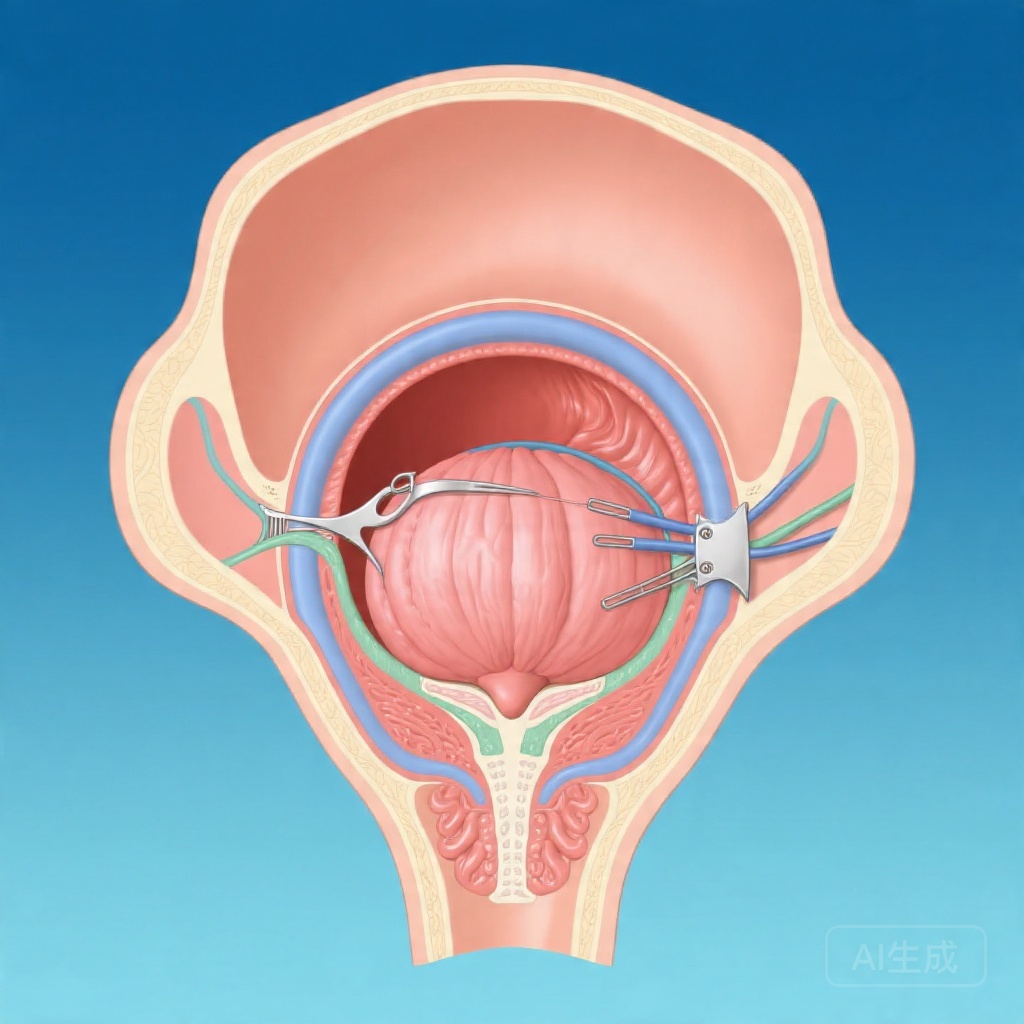
A combined analysis of 704 women found that anterior-predominant and apical prolapse is the most common phenotype (67.2%) in women undergoing native tissue apical surgery. While symptomatic recurrence ranged from 0% to 29% across phenotype groups, prolapse phenotype itself was not significantly associated with recurrence, challenging assumptions about anatomic subtypes as predictors of surgical outcomes.
Perioperative Nivolumab Combined with Irreversible Electroporation Shows Antitumoral Effect in High-Risk BCLC A Hepatocellular Carcinoma: Results from the NIVOLEP Phase 2 Trial

Perioperative Nivolumab Combined with Irreversible Electroporation Shows Antitumoral Effect in High-Risk BCLC A Hepatocellular Carcinoma: Results from the NIVOLEP Phase 2 Trial

The NIVOLEP phase 2 trial demonstrates that perioperative nivolumab (neoadjuvant and adjuvant) combined with irreversible electroporation achieves 70.6% one-year local recurrence-free survival in BCLC A HCC patients with high recurrence risk. Pathological response correlated with immune activation pathways, suggesting synergistic effects between immunotherapy and ablation.
Immunotherapy Shows Consistent Efficacy in Recurrent Gynecologic Cancers Regardless of Prior Radiation Field Location

Immunotherapy Shows Consistent Efficacy in Recurrent Gynecologic Cancers Regardless of Prior Radiation Field Location

This retrospective study challenges the assumption that prior radiation limits immunotherapy effectiveness in recurrent endometrial and cervical cancers, finding no significant difference in response rates or survival outcomes based on recurrence location relative to previous radiotherapy fields.