Shifting your bedtime earlier by just one hour can aid weight management, reduce depression risk, and protect your heart, according to recent scientific findings.
A large Dutch cohort study reveals that substituting TV-watching time with physical activities or sleep significantly lowers major depression risk, especially in middle-aged adults, highlighting the mental health benefits of an active lifestyle.
This article explores how gastrointestinal diseases are linked to sleep disturbances, highlighting depression as a partial mediator and emphasizing the importance of addressing both gut and psychological health to improve sleep quality.
A 16-week randomized trial demonstrates that AI chatbots with high-social-cue design significantly reduce depression and anxiety symptoms in college students compared to text-only chatbots, improving adherence, satisfaction, and therapeutic alliance.
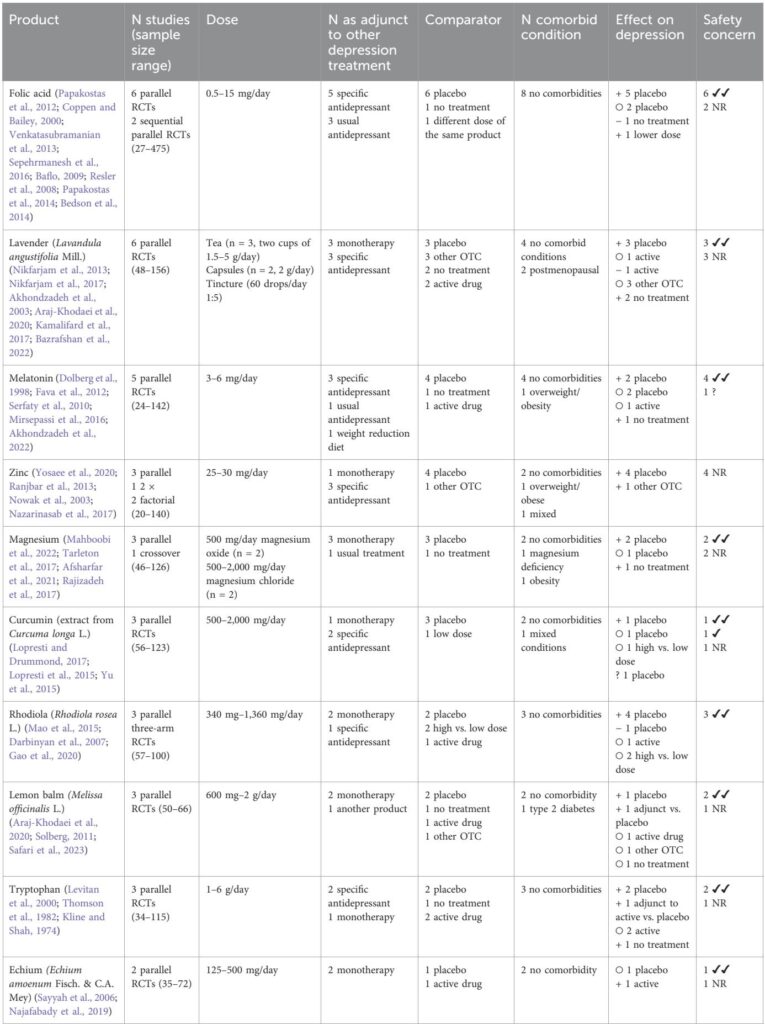
A scoping review of 209 trials reveals a concentrated evidence base for omega-3s, St John’s Wort, saffron, probiotics, and vitamin D in treating adult depression, highlights promising but under-researched herbal and supplement candidates, and underscores the need for improved safety reporting and integrative therapy evaluations.
Recent studies link irregular sleep to higher risks of type 2 diabetes, cardiometabolic diseases, all-cause mortality, and depression. Consistent sleep timing may offer crucial protection against these adverse outcomes.
Research reveals how psychedelics modulate immune-to-brain communication to reduce fear, offering new therapeutic avenues for stress-related psychiatric disorders.
A systematic review and meta-analysis reveals that paternal perinatal depression, anxiety, and stress are associated with adverse developmental outcomes in children, highlighting the need for targeted interventions for fathers during the perinatal period.
New GRADE sub-study reveals that somatic symptoms of depression, not cognitive-affective symptoms, are chiefly associated with inflammation and insulin resistance in type 2 diabetes, highlighting a pathophysiological bridge for targeted interventions.
A new study highlights the psychosocial factors contributing to depression in women with premature ovarian insufficiency, emphasizing the need for holistic care.