Skip to content
medxy logo Medxy AI
  • Specialties
    • Allergy & Immunology
    • Anesthesiology
    • Cardiology
    • Critical Care
    • Dermatology
    • Diabetes & Endocrinology
    • Emergency Medicine
    • Family Medicine & Nutrition
    • Gastroenterology
    • General Surgery
    • Hematology-Oncology
    • HIV/AIDS
    • Infectious Diseases
    • Internal Medicine
    • Nephrology
    • Neurology
    • Nursing & care
    • OB/GYN & Women’s Health
    • Oncology
    • Ophthalmology
    • Orthopedics
    • Otorhinolaryngology
    • Pathology & Lab Medicine
    • Pediatrics
    • Plastic Surgery
    • Psychiatry
    • Public Health
    • Radiology
    • Respiratory
    • Rheumatology
    • Urology
  • Clinical Updates
  • Medical News
  • iDoctor
  • Specialties
    • Allergy & Immunology
    • Anesthesiology
    • Cardiology
    • Critical Care
    • Dermatology
    • Diabetes & Endocrinology
    • Emergency Medicine
    • Family Medicine & Nutrition
    • Gastroenterology
    • General Surgery
    • Hematology-Oncology
    • HIV/AIDS
    • Infectious Diseases
    • Internal Medicine
    • Nephrology
    • Neurology
    • Nursing & care
    • OB/GYN & Women’s Health
    • Oncology
    • Ophthalmology
    • Orthopedics
    • Otorhinolaryngology
    • Pathology & Lab Medicine
    • Pediatrics
    • Plastic Surgery
    • Psychiatry
    • Public Health
    • Radiology
    • Respiratory
    • Rheumatology
    • Urology
  • Clinical Updates
  • Medical News
  • iDoctor
  • facebook.com
  • twitter.com
  • t.me
  • instagram.com
  • youtube.com
Subscribe

Conduction Disturbances

  • Home
  • Conduction Disturbances
Rare but High-Risk: New-Onset RBBB After TAVR Strongly Linked to Pacemaker Need
Posted inCardiology news

Rare but High-Risk: New-Onset RBBB After TAVR Strongly Linked to Pacemaker Need

Posted by MedXY By MedXY 12/17/2025
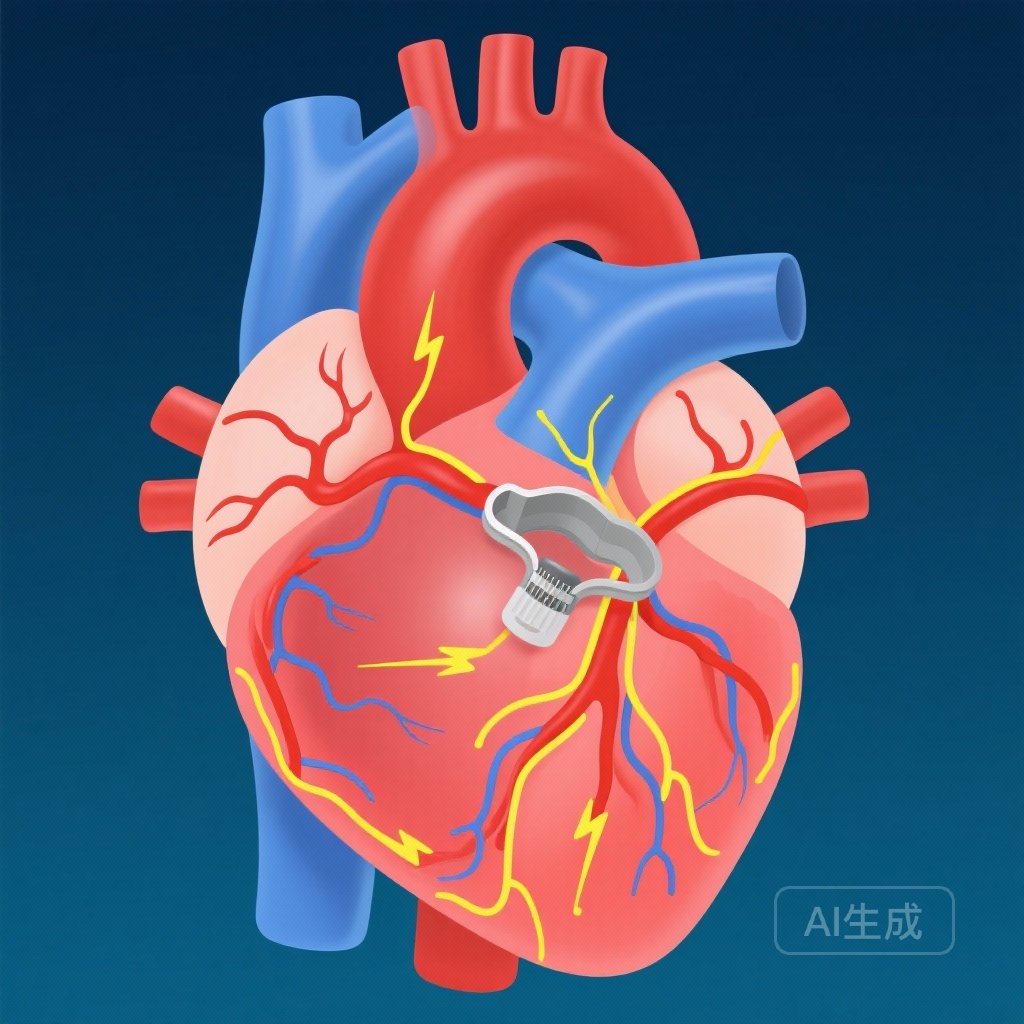
New-onset right bundle branch block after TAVR is rare but carries a high risk of requiring permanent pacing within one week.
Read More
PROMOTE Study Validates Algorithm for Conduction Disturbance Management After TAVR
Posted inCardiology news

PROMOTE Study Validates Algorithm for Conduction Disturbance Management After TAVR

Posted by MedXY By MedXY 12/17/2025
A prospective multicenter study confirms that a prespecified algorithm for conduction disturbance management after TAVR is safe, with low sudden cardiac death risk but persistent high pacemaker rates.

Read More
  • Bridging the Gap: Understanding Medical Mistrust and Patient Experiences in OB/GYN Care
  • Rethinking Placenta Accreta Spectrum: A Topography-Guided Approach to Prenatal Imaging and Tailored Surgical Management
  • Disparities and Persistence in Systemic Hormone Therapy Among Menopausal Women: Insights from a Large Real-World Analysis
  • RIPPLY1 as a Guardian Against Cancer Stemness in CTNNB1-Mutated Hepatocellular Carcinoma
  • Proteomic Insights into MASLD: Sex-Specific Endotypes and Predictive Value for Mortality
  • About us
  • Contact us
  • MedXY story
  • Privacy Policy
  • Subscribe Now!
  • 账号

  • English
  • 日本語
  • Tiếng Việt
  • 中文

Alzheimer's disease artificial intelligence atrial fibrillation biomarkers breast cancer Cardiology cardiovascular disease cardiovascular risk chronic kidney disease clinical trial clinical trials critical care diabetes epidemiology health heart failure hepatocellular carcinoma Hypertension immunotherapy inflammation MASLD mental health metformin Mortality myocardial infarction nutrition obesity older adults oncology Pediatrics precision medicine Pregnancy prostate cancer public health quality of life randomized clinical trial randomized controlled trial randomized trial risk stratification SGLT2 inhibitors stroke type 1 diabetes type 2 diabetes weight loss women's health

Your health, we care

Copyright 2026 — Medxy AI. All rights reserved.
Scroll to Top
Sign in