
Underweight in Type 2 Diabetes Raises Cardiovascular Risk — Severe Leanness Carries Greater Risk Than Obesity

Underweight in Type 2 Diabetes Raises Cardiovascular Risk — Severe Leanness Carries Greater Risk Than Obesity

A nationwide Korean cohort found that underweight patients with Type 2 diabetes—especially those with severe underweight—have higher cardiovascular risk than normal-weight and even some obese patients, underscoring the need to screen and manage malnutrition, sarcopenia, and frailty in diabetes care.

Evaluating the 23-Valent Pneumococcal Polysaccharide Vaccine for Cardiovascular Event Prevention: Insights from a Landmark Randomized Trial

Evaluating the 23-Valent Pneumococcal Polysaccharide Vaccine for Cardiovascular Event Prevention: Insights from a Landmark Randomized Trial

A large randomized clinical trial demonstrated that the 23-valent pneumococcal polysaccharide vaccine (PPV23) did not significantly reduce fatal or nonfatal acute coronary syndrome and ischemic stroke among middle-aged adults at increased cardiovascular risk over seven years of follow-up.
Clinical Therapeutic Value of Curcumin Supplementation in Cardiovascular Disease, Diabetes, Cognitive Function, Aging, and Neurodegenerative Disorders: A Synthesis of Recent Evidence

Clinical Therapeutic Value of Curcumin Supplementation in Cardiovascular Disease, Diabetes, Cognitive Function, Aging, and Neurodegenerative Disorders: A Synthesis of Recent Evidence

Current evidence supports curcumin supplementation for reducing cardiovascular risk factors and preventing type 2 diabetes progression, with emerging potential in cognitive decline and aging-related degenerative diseases.
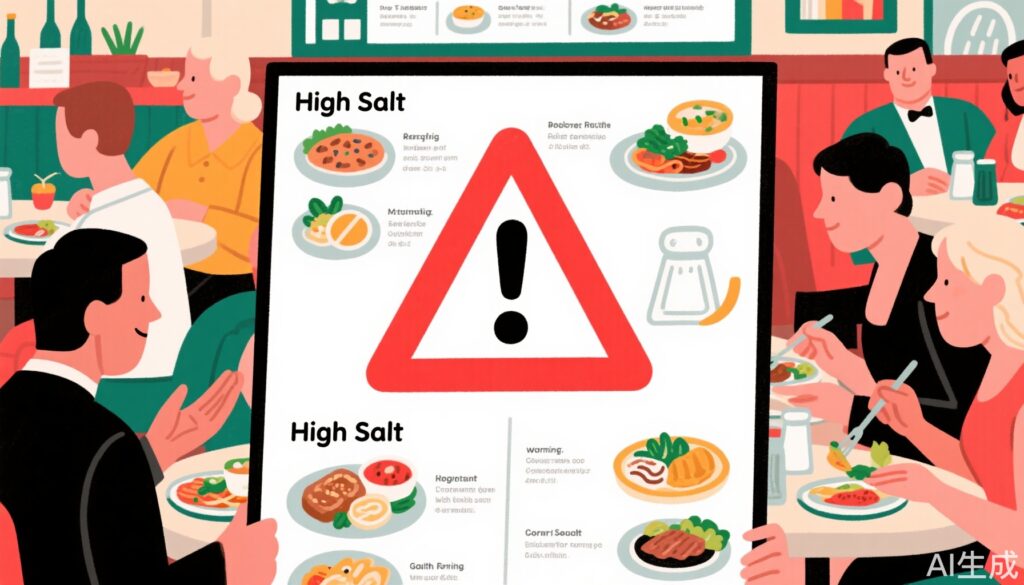
Evaluating Salt Warning Labels to Reduce High Salt Consumption in UK Out-of-Home Food Sector: Evidence from Online and Real-world Randomised Controlled Trials

Evaluating Salt Warning Labels to Reduce High Salt Consumption in UK Out-of-Home Food Sector: Evidence from Online and Real-world Randomised Controlled Trials

UK trials show salt warning labels on packaged foods and menus effectively increase awareness and discourage high salt intake, offering a promising policy to combat cardiovascular risk associated with excessive salt consumption.