Beyond Information Delivery: Why Survivorship Care Plans Alone May Not Reduce Cardiovascular Risk in Cancer Survivors

Beyond Information Delivery: Why Survivorship Care Plans Alone May Not Reduce Cardiovascular Risk in Cancer Survivors

This article examines the CHIIP study, a randomized clinical trial evaluating whether survivorship care plan-based counseling improves cardiovascular risk factor control in childhood cancer survivors. Findings suggest that while documentation improved, counseling did not significantly outperform simple risk assessments.
Haptoglobin 1-1 and Low Protein Levels: Identifying the Lowest Cardiovascular Risk in Type 2 Diabetes

Haptoglobin 1-1 and Low Protein Levels: Identifying the Lowest Cardiovascular Risk in Type 2 Diabetes

A FIELD sub-study reveals that while higher haptoglobin levels increase cardiovascular risk—particularly in those with the HP 1-1 phenotype—fenofibrate's protective effects remain consistent regardless of haptoglobin status, challenging previous assumptions about phenotype-specific treatment responses.
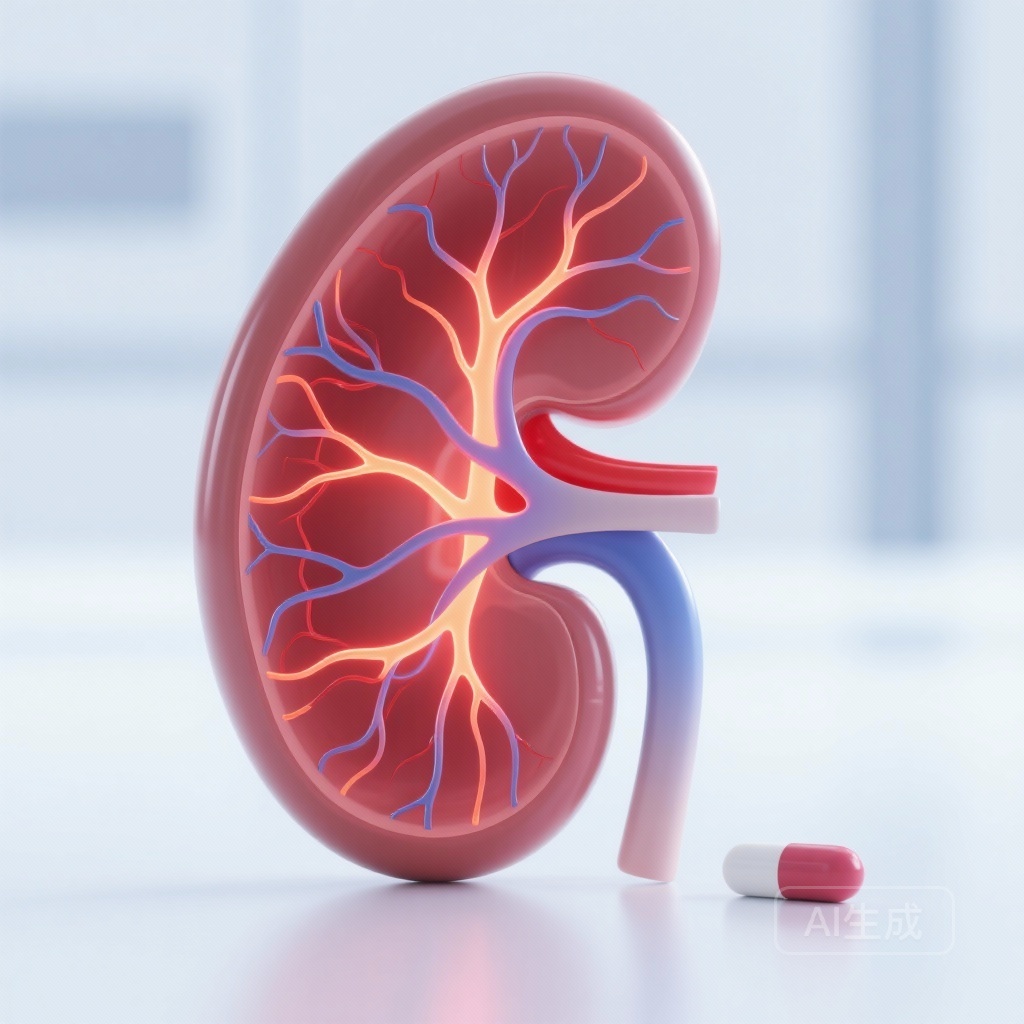
Oral Semaglutide Slows eGFR Decline in Patients with Type 2 Diabetes and High Cardiovascular Risk: Insights from the SOUL Trial

Oral Semaglutide Slows eGFR Decline in Patients with Type 2 Diabetes and High Cardiovascular Risk: Insights from the SOUL Trial

The SOUL trial demonstrates that oral semaglutide significantly slows the annual decline of estimated glomerular filtration rate (eGFR) in patients with type 2 diabetes and cardiovascular disease, despite not meeting the primary composite kidney endpoint in a population with preserved baseline renal function.
High-Dose Influenza Vaccination Reduces Hospitalizations and Cardiovascular Events in Older Adults: Insights from the FLUNITY-HD Pooled Analysis

High-Dose Influenza Vaccination Reduces Hospitalizations and Cardiovascular Events in Older Adults: Insights from the FLUNITY-HD Pooled Analysis

The FLUNITY-HD pooled analysis of over 466,000 older adults demonstrates that high-dose inactivated influenza vaccine (HD-IIV) significantly reduces hospitalizations for influenza, pneumonia, and cardiovascular causes, including a 21.3% reduction in heart failure admissions, compared to standard-dose vaccines.
Beyond MACE: Semaglutide Significantly Reduces Hospitalization Burden in Patients with Obesity and Cardiovascular Disease

Beyond MACE: Semaglutide Significantly Reduces Hospitalization Burden in Patients with Obesity and Cardiovascular Disease

This exploratory analysis of the SELECT trial demonstrates that semaglutide 2.4 mg reduces total hospital admissions and total days spent in the hospital by approximately 10-11% in patients with established cardiovascular disease and obesity, highlighting benefits beyond traditional major adverse cardiovascular events.
Planetary Health Diet and Cardiometabolic Risk Reduction in Women with Gestational Diabetes: An Evidence-Based Review

Planetary Health Diet and Cardiometabolic Risk Reduction in Women with Gestational Diabetes: An Evidence-Based Review

This review synthesizes evidence linking adherence to the Planetary Health Diet with reduced risks of myocardial infarction, type 2 diabetes, and improved weight management in women post-gestational diabetes, highlighting BMI's mediating role.
EAT‑Lancet Diet and Recurrent Cardiovascular Events: Lower Stroke Risk and a Signal for Myocardial Infarction in Patients with Established CVD

EAT‑Lancet Diet and Recurrent Cardiovascular Events: Lower Stroke Risk and a Signal for Myocardial Infarction in Patients with Established CVD

Two cohort analyses suggest greater adherence to the EAT‑Lancet diet is linked with lower recurrent non‑fatal vascular events—notably stroke—and that education and sex modify long‑term cardioprotective benefits of this sustainable, plant‑forward pattern.