MedXY
Not signed in Sign in / Register
Skip to content
medxy logo Medxy AI
  • Specialties
    • Allergy & Immunology
    • Anesthesiology
    • Cardiology
    • Critical Care
    • Dermatology
    • Diabetes & Endocrinology
    • Emergency Medicine
    • Family Medicine & Nutrition
    • Gastroenterology
    • General Surgery
    • Hematology-Oncology
    • HIV/AIDS
    • Infectious Diseases
    • Internal Medicine
    • Nephrology
    • Neurology
    • Nursing & care
    • OB/GYN & Women’s Health
    • Oncology
    • Ophthalmology
    • Orthopedics
    • Otorhinolaryngology
    • Pathology & Lab Medicine
    • Pediatrics
    • Plastic Surgery
    • Psychiatry
    • Public Health
    • Radiology
    • Respiratory
    • Rheumatology
    • Urology
  • Clinical Updates
  • Medical News
  • iDoctor
  • Specialties
    • Allergy & Immunology
    • Anesthesiology
    • Cardiology
    • Critical Care
    • Dermatology
    • Diabetes & Endocrinology
    • Emergency Medicine
    • Family Medicine & Nutrition
    • Gastroenterology
    • General Surgery
    • Hematology-Oncology
    • HIV/AIDS
    • Infectious Diseases
    • Internal Medicine
    • Nephrology
    • Neurology
    • Nursing & care
    • OB/GYN & Women’s Health
    • Oncology
    • Ophthalmology
    • Orthopedics
    • Otorhinolaryngology
    • Pathology & Lab Medicine
    • Pediatrics
    • Plastic Surgery
    • Psychiatry
    • Public Health
    • Radiology
    • Respiratory
    • Rheumatology
    • Urology
  • Clinical Updates
  • Medical News
  • iDoctor
  • facebook.com
  • twitter.com
  • t.me
  • instagram.com
  • youtube.com
Subscribe

Atrial Cardiopathy

  • Home
  • Atrial Cardiopathy
Left Atrial to Ventricular Volume Ratio: A Novel Imaging Biomarker Enhancing Detection of Atrial Cardiopathy and Stroke Risk
Posted inCardiology Neurology news

Left Atrial to Ventricular Volume Ratio: A Novel Imaging Biomarker Enhancing Detection of Atrial Cardiopathy and Stroke Risk

Posted by By MedXY 06/28/2026
The left atrial to ventricular volume ratio (LA:LV ratio) emerges as a superior marker over left atrial volume index (LAVi) for atrial cardiopathy, showing stronger association with ischemic stroke risk, cognitive decline, and atrial fibrillation detection in large cohorts.

Read More
Hypertension-Related High-Risk Features May Identify Which Patients With Cryptogenic Stroke Benefit From Apixaban Instead of Aspirin
Posted inCardiology Neurology news

Hypertension-Related High-Risk Features May Identify Which Patients With Cryptogenic Stroke Benefit From Apixaban Instead of Aspirin

Posted by By MedXY 06/10/2026
An exploratory ARCADIA analysis suggests that patients with cryptogenic stroke and atrial cardiopathy without severe hypertension-related features may derive greater benefit from apixaban than aspirin, whereas those with high-risk hypertensive features may not.
Read More
The QTc Paradox: Why Prolonged QT Intervals May Predict Lower Recurrent Stroke Risk in Atrial Cardiopathy
Posted inCardiology Neurology news

The QTc Paradox: Why Prolonged QT Intervals May Predict Lower Recurrent Stroke Risk in Atrial Cardiopathy

Posted by By MedXY 02/27/2026
A secondary analysis of the ARCADIA trial reveals a surprising inverse relationship: prolonged QTc intervals were associated with a significantly reduced risk of recurrent stroke in patients with atrial cardiopathy, challenging existing paradigms from general population studies.
Read More
Apixaban Shows No Increased Risk of MRI-Detected Intracranial Hemorrhage Compared to Aspirin in Atrial Cardiopathy
Posted inNeurology news Radiology

Apixaban Shows No Increased Risk of MRI-Detected Intracranial Hemorrhage Compared to Aspirin in Atrial Cardiopathy

Posted by By MedXY 02/05/2026
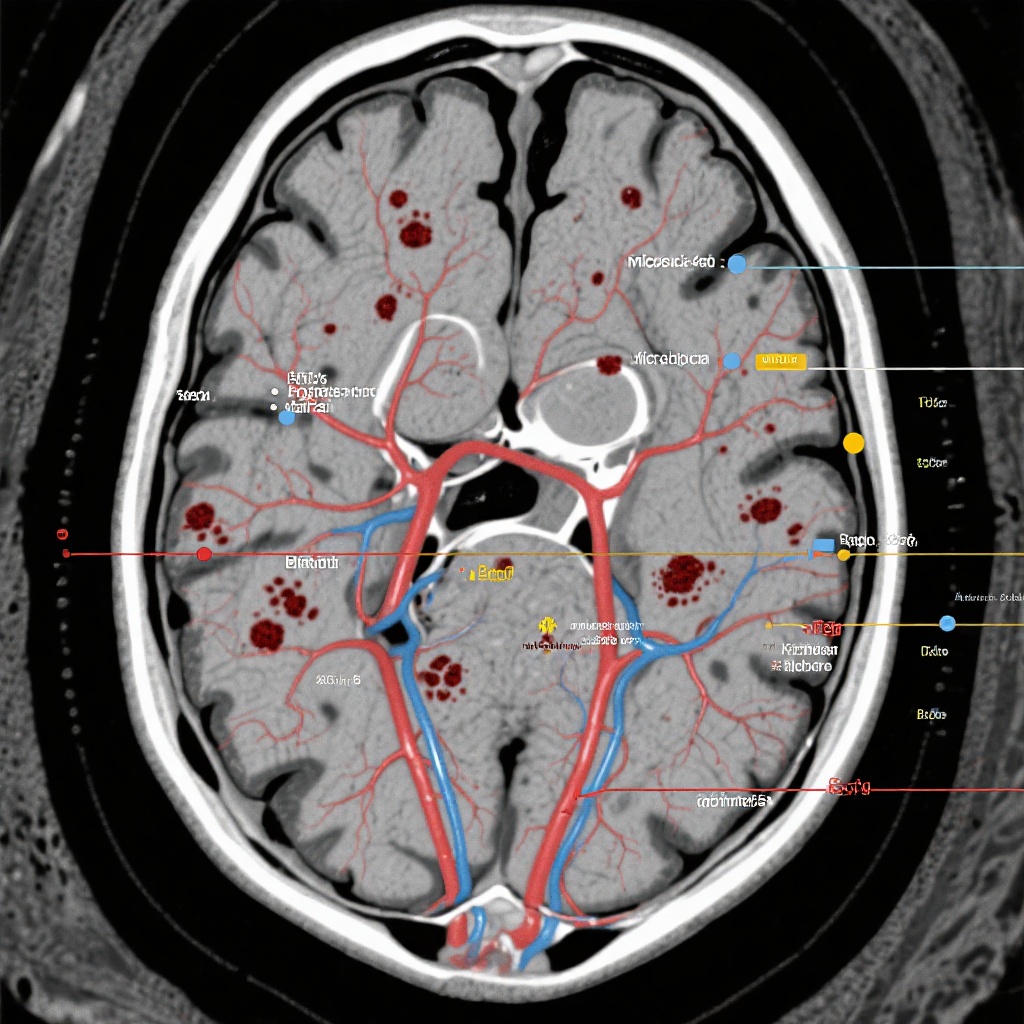
An exploratory analysis from the ARCADIA-MRI substudy reveals that apixaban carries a similar risk of incident intracranial hemorrhages, microbleeds, and superficial siderosis compared to aspirin in patients with atrial cardiopathy and cryptogenic stroke.
Read More
  • Understanding Key Stakeholders’ Perspectives Towards Artificial Intelligence in Home Care Work: An Evidence-Based Review
  • Evolving Competence in Goals-of-Care Discussions Among Internal Medicine Physicians: Insights from a Qualitative Study Across Training Levels
  • Tobacco Use Treatment: Key Points from the 2026 VA/DoD Clinical Practice Guideline
  • Decoding Large B Cell Lymphoma Heterogeneity: A Single-Cell Atlas Identifies Malignant Archetypes Linked to Patient Outcomes
  • Personalizing Allogeneic Hematopoietic Cell Transplantation in Adult AML Using Measurable Residual Disease Testing
  • About us
  • Contact us
  • MedXY story
  • Privacy Policy
  • Subscribe Now!
  • 账号

  • English
  • 日本語
  • Tiếng Việt
  • 中文

Alzheimer's disease artificial intelligence atrial fibrillation biomarkers breast cancer Cardiology cardiovascular disease cardiovascular risk chronic kidney disease clinical trial clinical trials critical care diabetes epidemiology GLP-1 receptor agonists heart failure hepatocellular carcinoma Hypertension immunotherapy inflammation MASLD mental health Mortality multiple myeloma myocardial infarction nutrition obesity older adults oncology Pediatrics precision medicine Pregnancy prognosis public health quality of life randomized clinical trial randomized controlled trial risk stratification semaglutide SGLT2 inhibitors stroke type 1 diabetes type 2 diabetes weight loss women's health

Your health, we care

Copyright 2026 — Medxy AI. All rights reserved.
Scroll to Top