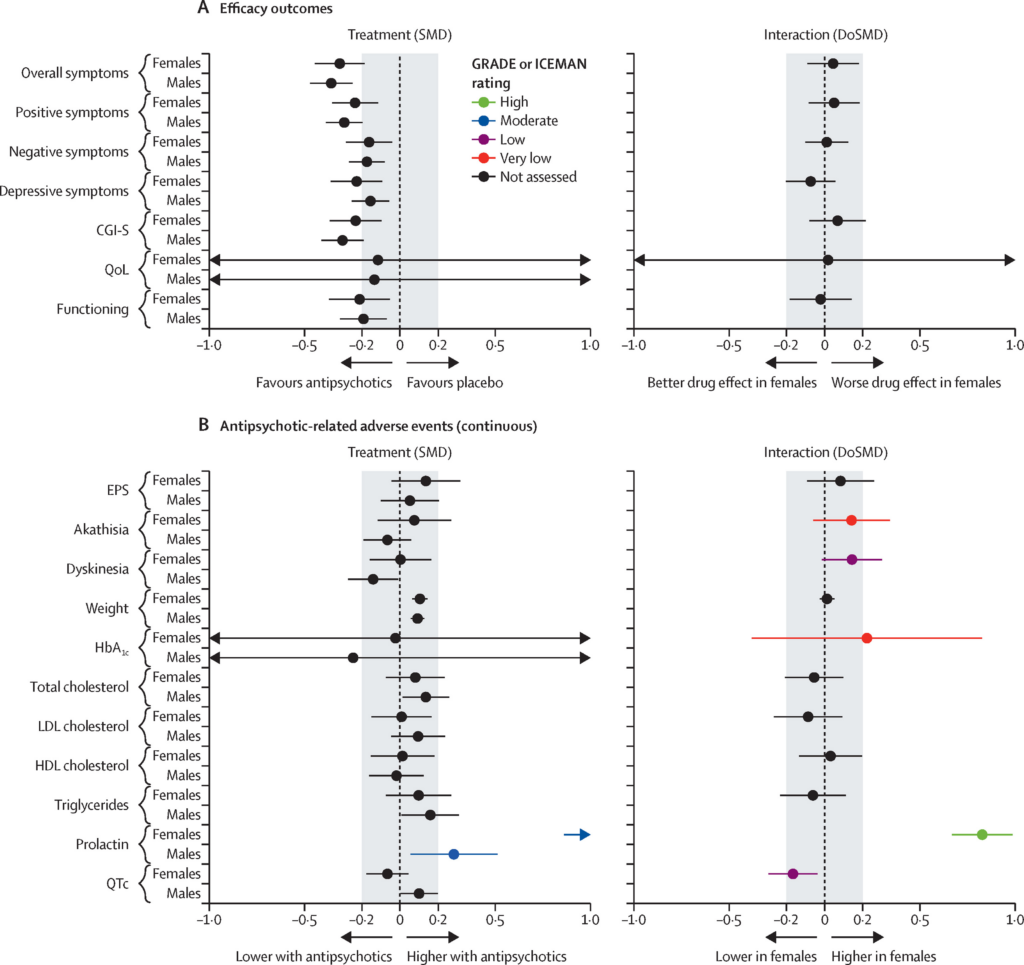
A comprehensive analysis reveals no significant sex differences in antipsychotic efficacy or dose-response in acute schizophrenia, though females show greater reduction in dropout rates and higher prolactin elevation.
This review synthesizes evidence on the relationship between antipsychotic choice after traumatic brain injury (TBI) and post-traumatic epilepsy risk in older adults, highlighting recent population-based findings and mechanistic implications.
A large single-center study found that hospitalized patients with limited English proficiency had higher adjusted odds of physical restraint or antipsychotic use, especially when delirium was present, raising concerns about communication-driven care disparities.
In a 30-week randomized trial, semaglutide improved insulin sensitivity, reduced insulin resistance, lowered fasting glucose, and produced substantial weight loss in patients with schizophrenia and prediabetes taking second-generation antipsychotics.
A prospective cohort study demonstrates that antipsychotic use in critically ill patients is significantly associated with fewer catatonia-free days, suggesting that dopamine blockade may be a primary driver of catatonic syndromes in intensive care settings.
This landmark network meta-analysis of 438 RCTs evaluates 24 antipsychotics, revealing clozapine as the most effective while highlighting the novel muscarinic agonist xanomeline-trospium. The study emphasizes clinically relevant efficacy differences and a shifting tolerability landscape, advocating for more individualized, evidence-based treatment strategies in acute schizophrenia management.
A landmark network meta-
**Developing Article Components**
I'm now diving deep into the content, focusing on fleshing out each section. The Highlight section's first drafts are complete. I'm incorporating the study's key findings on drug efficacy rankings, and the unique safety profile of Xanomeline-Trospium. I'm simultaneously drafting the study design, and drafting the background section, and I am ensuring a clear comparison of the two, while keeping the technical details accurate.
analysis of 438 RCTs reveals significant efficacy differences among antipsychotics and highlights the unique clinical profile of the first-in-class muscarinic agonist, xanomeline-trospium, relative to traditional antidopaminergic agents.
Large Finnish and Swedish registry cohorts show clozapine is associated with lower psychiatric hospitalisation across schizophrenia-spectrum, bipolar disorder and severe depression without increased overall mortality or hospitalisation.
A multicenter randomized trial comparing seven antipsychotics in acute schizophrenia shows olanzapine and risperidone outperform several agents in efficacy but differ markedly in side effects, clarifying treatment choices.
This study compares long-acting injectable to oral antipsychotics in older schizophrenia patients, highlighting benefits in relapse prevention and mortality reduction, with specific considerations for adverse effects.
A randomized clinical trial reveals early dose reduction of antipsychotics after first-episode psychosis remission increases short-term relapse risk and lowers quality of life, but may improve long-term functioning over four years.