Epcoritamab Monotherapy Demonstrates Potent Antitumor Activity in Richter Transformation: Insights from EPCORE CLL-1

Epcoritamab Monotherapy Demonstrates Potent Antitumor Activity in Richter Transformation: Insights from EPCORE CLL-1

The EPCORE CLL-1 trial evaluated epcoritamab, a CD3×CD20 bispecific antibody, in patients with Richter transformation. While the 47.6% overall response rate narrowly missed the 50% target, the results highlight a significant therapeutic signal in a population with historically poor outcomes and high-risk genetic features.
High PEEP and Recruitment Manoeuvres Fail to Reduce Pulmonary Complications in One-Lung Ventilation: Insights from the PROTHOR Trial

High PEEP and Recruitment Manoeuvres Fail to Reduce Pulmonary Complications in One-Lung Ventilation: Insights from the PROTHOR Trial

The international PROTHOR trial reveals that using higher PEEP and recruitment manoeuvres during one-lung ventilation does not decrease postoperative pulmonary complications compared to a lower PEEP strategy, while notably increasing intraoperative hemodynamic risks like hypotension and arrhythmias.
Iberdomide-Based Oral Triple Therapy Extends Progression-Free Survival to 17.6 Months in Relapsed Multiple Myeloma: Results from the ICON Study

Iberdomide-Based Oral Triple Therapy Extends Progression-Free Survival to 17.6 Months in Relapsed Multiple Myeloma: Results from the ICON Study

The phase 2 ICON trial reveals that iberdomide combined with low-dose cyclophosphamide and dexamethasone (IberCd) achieves a median PFS of 17.6 months in lenalidomide-refractory multiple myeloma. This all-oral regimen represents a significant advancement in convenience and efficacy for heavily pretreated patients.
Prostate Cancer Statistics 2025: The Resurgence of Advanced Disease and Persistent Racial Disparities

Prostate Cancer Statistics 2025: The Resurgence of Advanced Disease and Persistent Racial Disparities

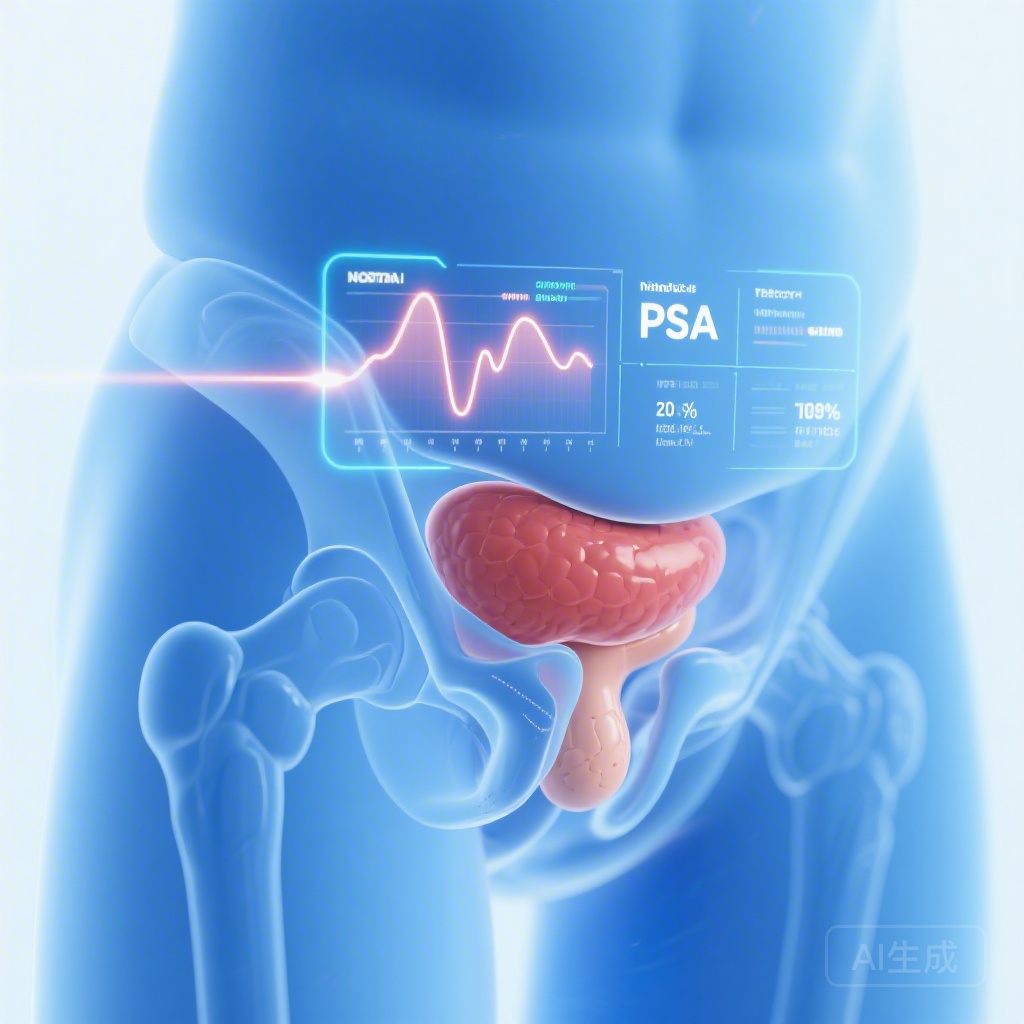
This review analyzes 2025 prostate cancer data, highlighting a 3% annual incidence increase primarily driven by advanced-stage disease. It explores age-specific trends, significant racial inequities in mortality, and the clinical challenges of optimizing early detection while managing advanced disease complications.
Proton Therapy Outperforms Photons in Oropharyngeal Cancer: Superior Survival and Reduced Toxicity in a Phase 3 Trial

Proton Therapy Outperforms Photons in Oropharyngeal Cancer: Superior Survival and Reduced Toxicity in a Phase 3 Trial

A landmark Phase 3 trial establishes Intensity-Modulated Proton Therapy (IMPT) as a new standard for oropharyngeal cancer, demonstrating non-inferior progression-free survival, significantly improved overall survival, and a marked reduction in long-term toxicities such as gastrostomy tube dependence.
Bevacizumab and Fractionated Stereotactic Radiotherapy: A Synergistic Breakthrough for Extensive Brain Metastases in NSCLC

Bevacizumab and Fractionated Stereotactic Radiotherapy: A Synergistic Breakthrough for Extensive Brain Metastases in NSCLC

The GASTO-1053 phase II study demonstrates that combining bevacizumab with fractionated stereotactic radiotherapy significantly improves intracranial progression-free survival (18.3 months) and quality of life for NSCLC patients with extensive brain metastases, providing a safe, effective alternative to whole-brain radiotherapy.
Adjuvant Camrelizumab plus Capecitabine Extends Recurrence-Free Survival in Resected Intrahepatic Cholangiocarcinoma: Results from the Phase 2 ACC Trial

Adjuvant Camrelizumab plus Capecitabine Extends Recurrence-Free Survival in Resected Intrahepatic Cholangiocarcinoma: Results from the Phase 2 ACC Trial

The Phase 2 ACC trial demonstrates that adjuvant camrelizumab combined with capecitabine achieves a median recurrence-free survival of 24.29 months for patients with resected intrahepatic cholangiocarcinoma, offering a promising and manageable immunochemotherapy strategy for this high-risk population.