Obesity Alters Symptom Trajectory and Inflammatory Signatures after Sport-Related Concussion: the NCAA‑DoD CARE Consortium

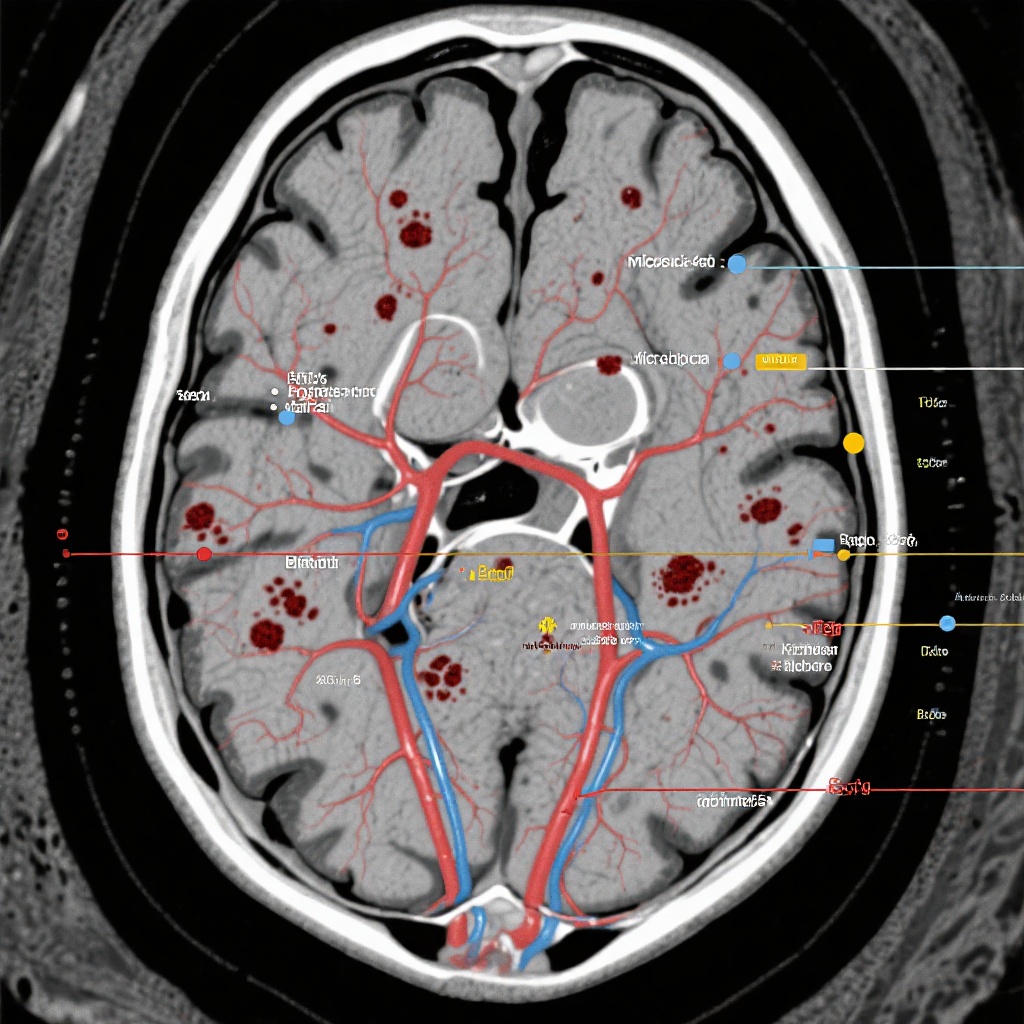
Obesity Alters Symptom Trajectory and Inflammatory Signatures after Sport-Related Concussion: the NCAA‑DoD CARE Consortium

In a large prospective cohort, obese BMI (≥30) was associated with worse post-concussion neurocognitive outcomes and a persistently proinflammatory blood biomarker profile, despite fewer baseline symptoms. Findings suggest obesity modifies clinical recovery and biological response after sport-related concussion.
Neuromuscular Training Substantially Improves Athletes’ Balance: A Meta-Analysis with Practical Takeaways

Neuromuscular Training Substantially Improves Athletes’ Balance: A Meta-Analysis with Practical Takeaways

A 2025 meta-analysis of 13 trials found neuromuscular training produced large improvements in athletes' balance (overall SMD 1.47), with benefits for both static and dynamic domains. Results support incorporating targeted neuromuscular programs into conditioning, while highlighting heterogeneity and research gaps.
Vorasidenib Slows Tumour Growth and Reduces Seizures in IDH‑Mutant Grade 2 Glioma — Robust PFS and Preserved Cognition in the INDIGO Phase 3 Trial

Vorasidenib Slows Tumour Growth and Reduces Seizures in IDH‑Mutant Grade 2 Glioma — Robust PFS and Preserved Cognition in the INDIGO Phase 3 Trial

In the INDIGO phase 3 trial, vorasidenib markedly prolonged progression‑free survival and time to next intervention, reduced volumetric tumour growth and seizure burden, and preserved quality of life and neurocognitive function in patients with grade 2 IDH1/2‑mutant diffuse glioma after surgery.
SGLT2 Inhibitors Linked to Lower Parkinson’s Disease Risk Than Metformin in Type 2 Diabetes: Large Real‑World TriNetX Study Signals Class Neuroprotection

SGLT2 Inhibitors Linked to Lower Parkinson’s Disease Risk Than Metformin in Type 2 Diabetes: Large Real‑World TriNetX Study Signals Class Neuroprotection

A 20‑year TriNetX analysis of 913,428 T2DM patients found SGLT2 inhibitor use associated with a 28% lower Parkinson’s disease risk versus metformin (aHR 0.72), suggesting possible superior neuroprotection and prompting need for prospective confirmation.
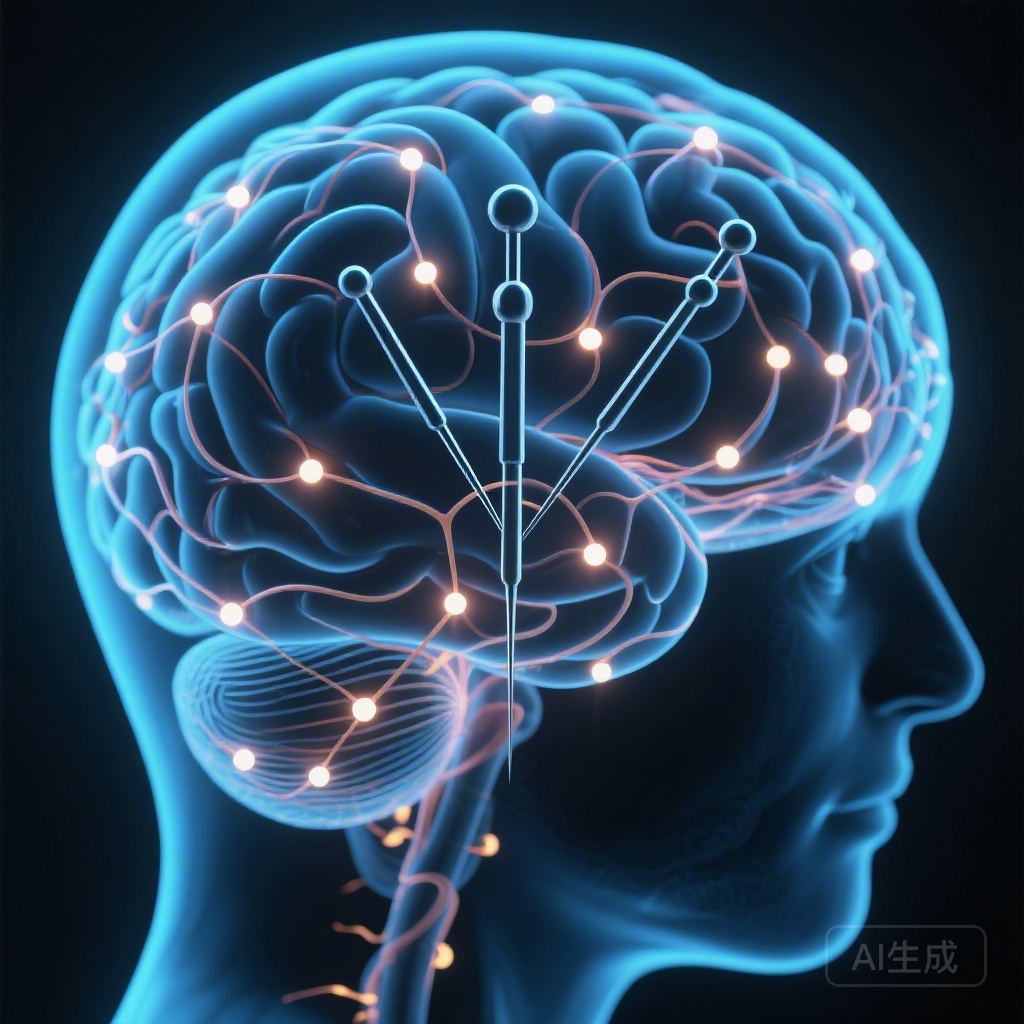
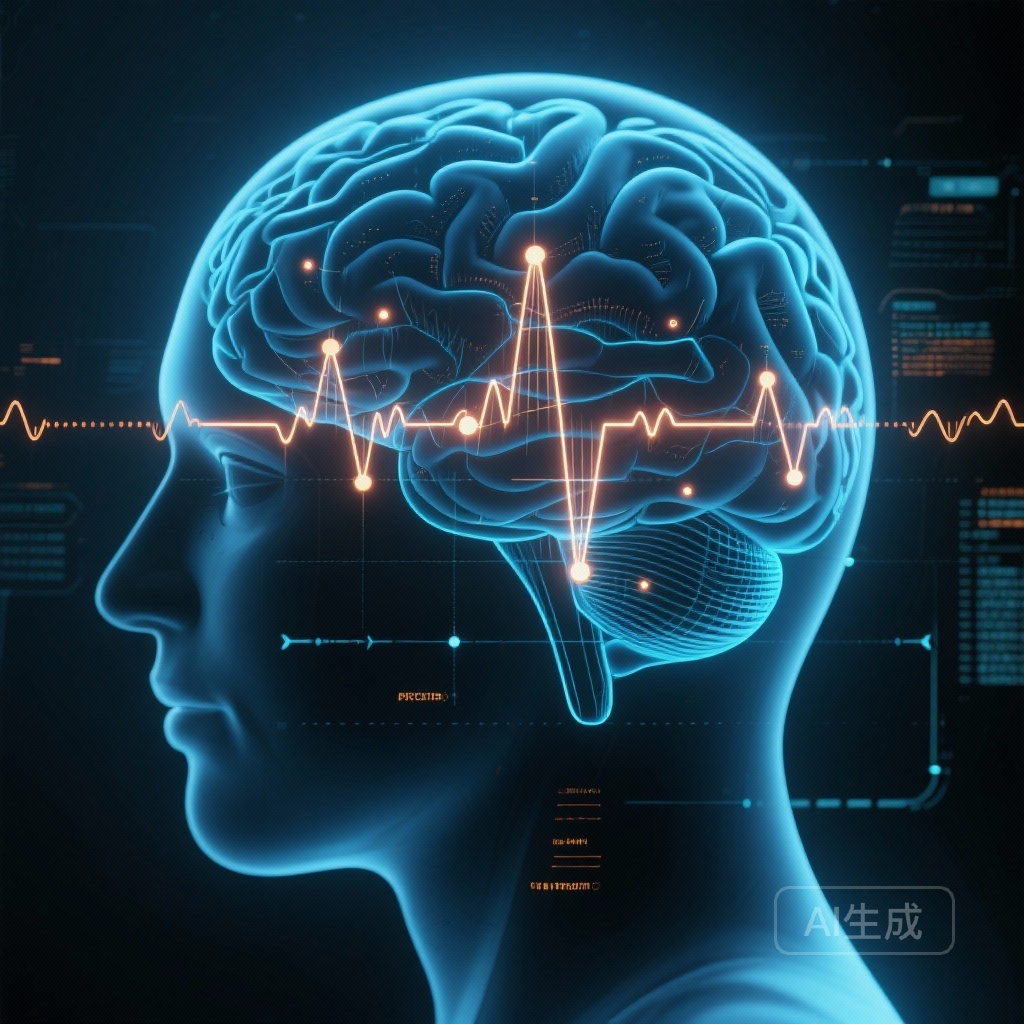
Harnessing Effective Connectivity Between Cerebellum and Fronto-Temporal Regions for Objective Major Depressive Disorder Diagnosis: Insights From a Multi-Site fMRI Study

Harnessing Effective Connectivity Between Cerebellum and Fronto-Temporal Regions for Objective Major Depressive Disorder Diagnosis: Insights From a Multi-Site fMRI Study

A multi-site fMRI study demonstrates that effective connectivity patterns between the cerebellum and fronto-temporal areas accurately classify major depressive disorder with over 94% accuracy, offering a promising neuroimaging biomarker to aid clinical diagnosis.