The Price of Time: 20-Year Study Reveals Pre-Hospital Delay as a Critical Driver of STEMI Mortality

The Price of Time: 20-Year Study Reveals Pre-Hospital Delay as a Critical Driver of STEMI Mortality

A 20-year analysis of 89,155 patients from the SWEDEHEART registry confirms that pre-hospital delay independently predicts short- and long-term mortality. Despite advances in reperfusion, women, elderly patients, and those with diabetes consistently experience significantly longer delays, highlighting a critical need for targeted public health interventions.
One in Three Older Emergency Admissions Face Cognitive Morbidity: Insights from the ORCHARD-EPR Study

One in Three Older Emergency Admissions Face Cognitive Morbidity: Insights from the ORCHARD-EPR Study

A large-scale cross-sectional study of 51,202 admissions reveals that 35.6% of patients aged 70 and older experience cognitive morbidity, predominantly delirium. The findings underscore the urgent necessity for hospital-wide screening and multidisciplinary geriatric support across nearly all medical and surgical specialties.
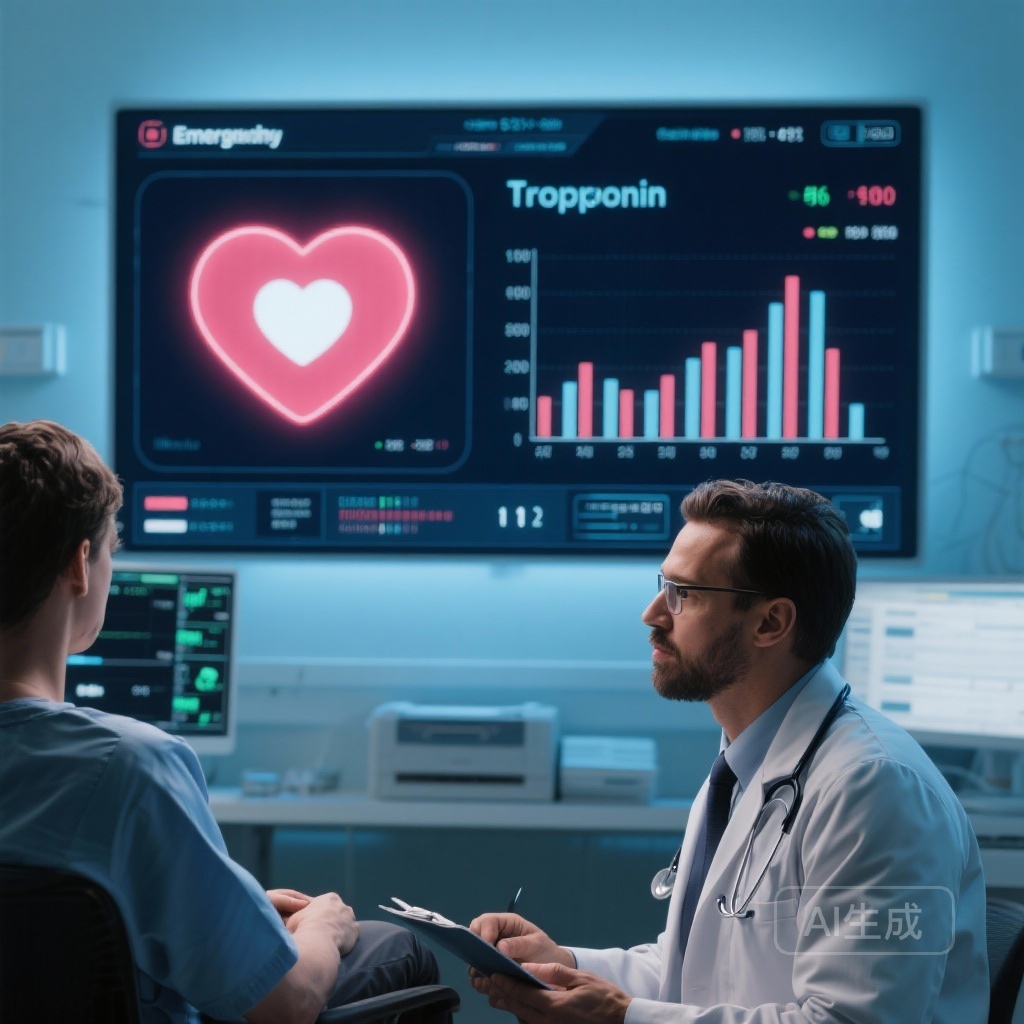
Beyond Troponin: Cardiac Myosin-Binding Protein C Accelerates NSTEMI Diagnosis and Emergency Department Triage

Beyond Troponin: Cardiac Myosin-Binding Protein C Accelerates NSTEMI Diagnosis and Emergency Department Triage

A secondary analysis of the APACE study demonstrates that Cardiac Myosin-Binding Protein C (cMyC) significantly improves NSTEMI diagnosis, particularly in early presenters. Integrating cMyC with high-sensitivity troponin into a dual-biomarker strategy doubles triage efficacy without compromising safety, offering a robust tool for busy clinical settings.
The Earlier, the Better: INTERACT Pooled Analysis Confirms 3-Hour Golden Window for Intensive Blood Pressure Lowering in Acute ICH

The Earlier, the Better: INTERACT Pooled Analysis Confirms 3-Hour Golden Window for Intensive Blood Pressure Lowering in Acute ICH

A pooled analysis of over 11,000 patients from the INTERACT trials demonstrates that intensive blood pressure reduction significantly improves functional recovery in acute intracerebral hemorrhage, with the most robust benefits observed when treatment is initiated within three hours of symptom onset.
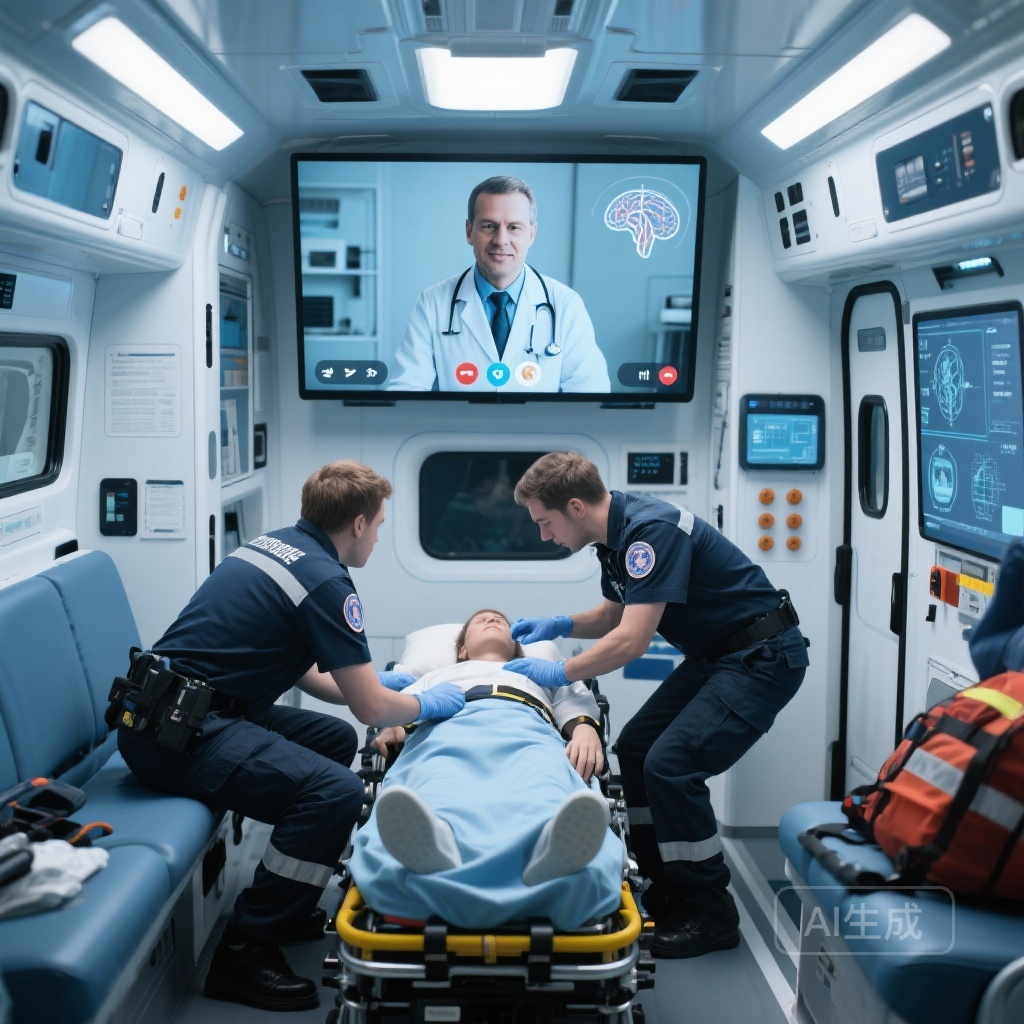
Telemedicine is Superior to Onboard Neurologists for Optimizing Mobile Stroke Unit Efficiency: Results from the MSU-TELEMED Trial

Telemedicine is Superior to Onboard Neurologists for Optimizing Mobile Stroke Unit Efficiency: Results from the MSU-TELEMED Trial

The MSU-TELEMED trial demonstrates that a telemedicine model for mobile stroke units significantly improves neurologist resource utilization while maintaining safety, outperforming the traditional onboard neurologist model in a hierarchical composite outcome despite a minor four-minute treatment decision delay.