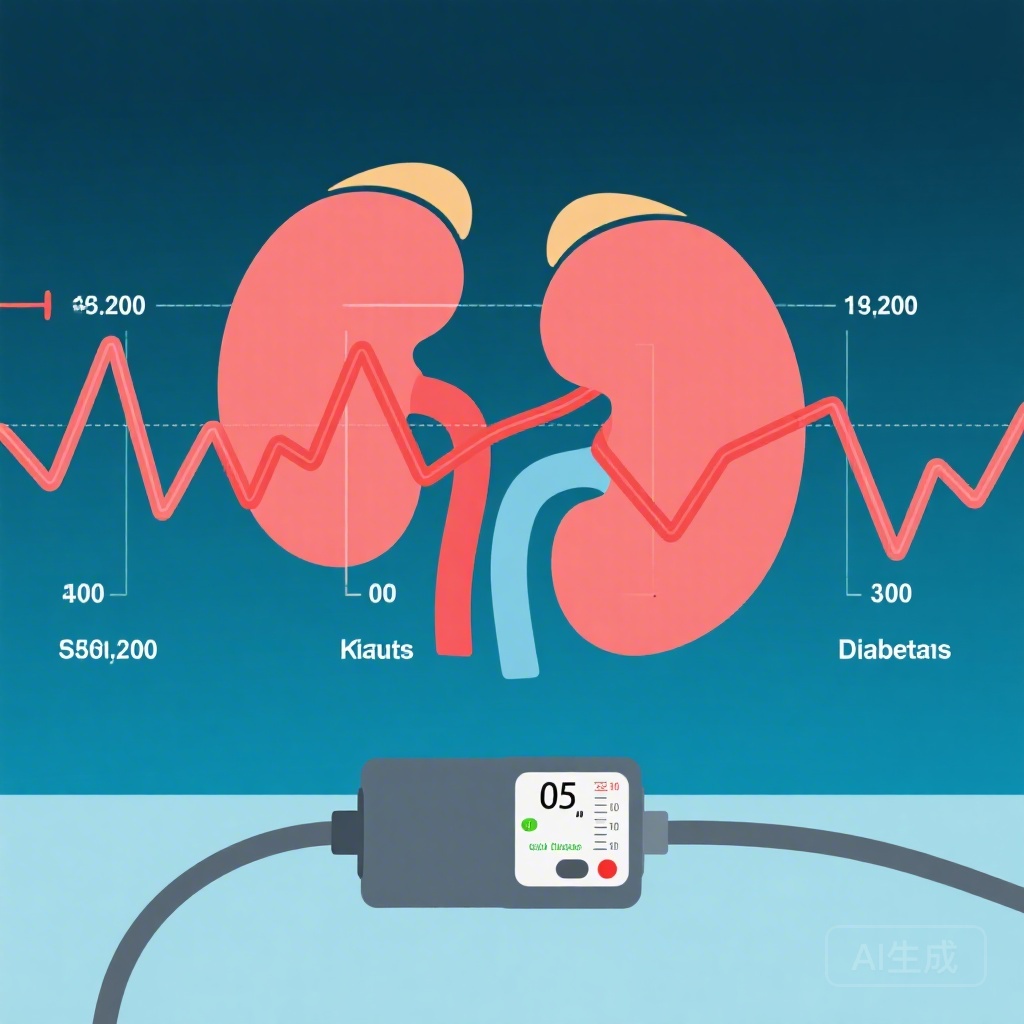
Blood Pressure Variability Emerges as Independent Predictor of Kidney Disease Progression in Type 1 Diabetes, with African Caribbean Ethnicity as Key Risk Factor

Blood Pressure Variability Emerges as Independent Predictor of Kidney Disease Progression in Type 1 Diabetes, with African Caribbean Ethnicity as Key Risk Factor

A 14-year cohort study of 3,079 individuals with type 1 diabetes reveals that visit-to-visit blood pressure variability, particularly systolic blood pressure variability measured by average real variability, significantly predicts diabetic kidney disease progression. African Caribbean ethnicity emerged as an independent risk factor, with a 54% increased hazard per unit increase in systolic BP variability.
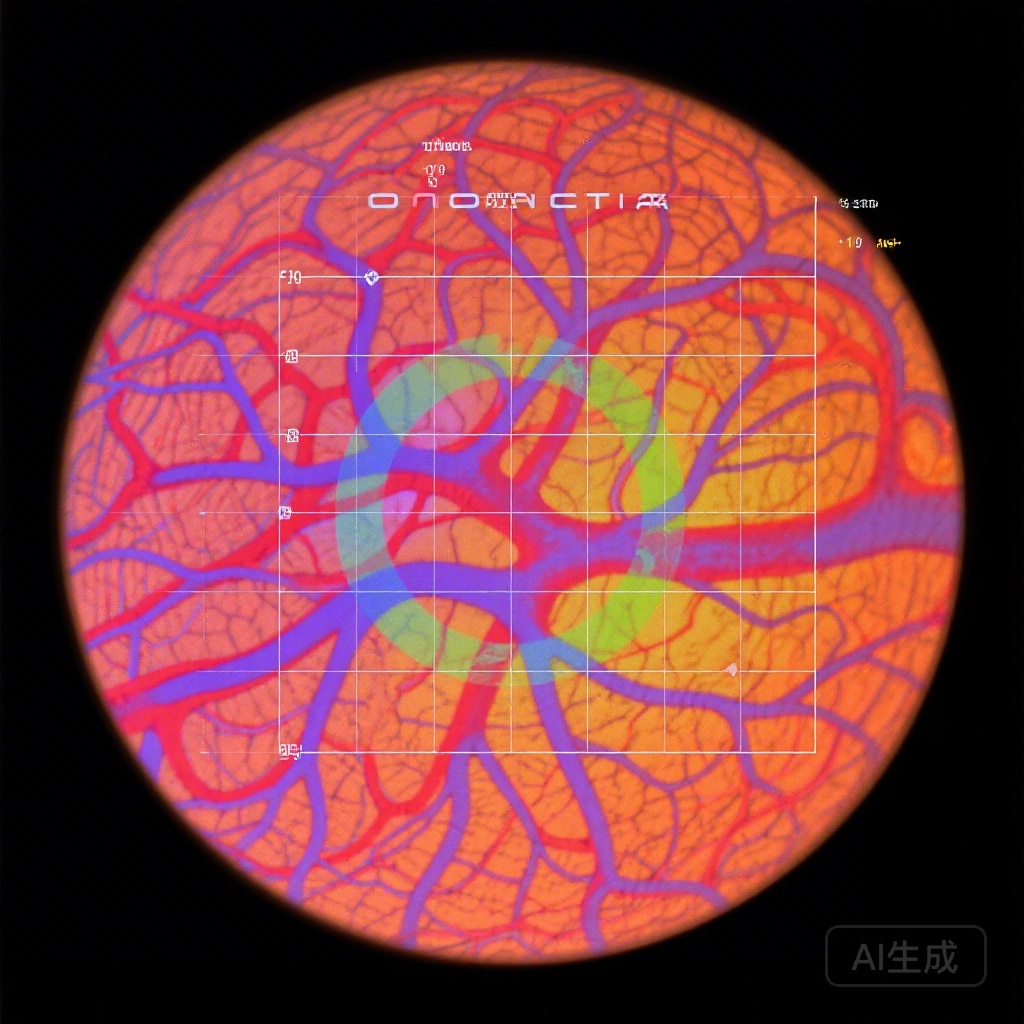
Deep Capillary Plexus Defects Emerge as a Universal Biomarker for Retinal Ischemia Across All Retinal Regions in Diabetic Retinopathy

Deep Capillary Plexus Defects Emerge as a Universal Biomarker for Retinal Ischemia Across All Retinal Regions in Diabetic Retinopathy

Novel OCTA biomarkers reveal that geometric perfusion deficits in the deep capillary plexus serve as robust predictors of retinal nonperfusion across posterior, peripheral, and total retinal regions, while foveal avascular zone enlargement specifically reflects posterior ischemic changes in diabetes.
Semaglutide and Nonarteritic Anterior Ischemic Optic Neuropathy: Synthesizing Evidence from Target Trial Emulations and Global Pharmacovigilance

Semaglutide and Nonarteritic Anterior Ischemic Optic Neuropathy: Synthesizing Evidence from Target Trial Emulations and Global Pharmacovigilance

This review synthesizes recent evidence regarding the association between semaglutide initiation and nonarteritic anterior ischemic optic neuropathy (NAION), contrasting high-risk findings in real-world cohort studies with neutral findings in RCT meta-analyses and exploring potential mechanistic pathways.
Precision Phenotyping in Cardiometabolic Medicine: Genetic Susceptibility of Diabetes Subtypes and Coronary Artery Disease Risk

Precision Phenotyping in Cardiometabolic Medicine: Genetic Susceptibility of Diabetes Subtypes and Coronary Artery Disease Risk

This review synthesizes evidence on the genetic architecture of adult-onset diabetes subtypes, highlighting that Moderate Obesity-related Diabetes (MOD) is uniquely and causally linked to coronary artery disease risk through polygenic and Mendelian randomization analyses.
Long-Term Durability and Clinical Stability of Acoramidis in Transthyretin Amyloid Cardiomyopathy: A 54-Month Synthesis

Long-Term Durability and Clinical Stability of Acoramidis in Transthyretin Amyloid Cardiomyopathy: A 54-Month Synthesis

This review synthesizes the 54-month results of the ATTRibute-CM open-label extension, demonstrating that early and continuous acoramidis treatment provides sustained reductions in mortality and cardiovascular hospitalizations while maintaining functional capacity and biomarker stability in ATTR-CM patients.
Optimizing Influenza Protection in the Aging Diabetic Population: Evidence from the DANFLU-2 High-Dose Vaccine Trial

Optimizing Influenza Protection in the Aging Diabetic Population: Evidence from the DANFLU-2 High-Dose Vaccine Trial

This secondary analysis of the DANFLU-2 trial demonstrates that high-dose influenza vaccines provide superior protection against cardiorespiratory and cardiovascular hospitalizations in older adults with diabetes, particularly those with a disease duration exceeding five years.
Decoding the Diabetic Heart: Five Unique Proteomic Markers Unveil Heart Failure Risk in Patients with Diabetes

Decoding the Diabetic Heart: Five Unique Proteomic Markers Unveil Heart Failure Risk in Patients with Diabetes

Researchers from the ARIC study have identified five specific proteomic markers that uniquely predict heart failure risk in individuals with diabetes. These findings, including four novel proteins, suggest distinct pathophysiological pathways for diabetic cardiomyopathy and offer new targets for precision screening and therapeutic intervention.
Beyond a Uniform Approach: Data-Driven Phenotyping Reveals High-Risk Clusters in Gestational Diabetes Mellitus

Beyond a Uniform Approach: Data-Driven Phenotyping Reveals High-Risk Clusters in Gestational Diabetes Mellitus

A groundbreaking machine learning study of over 37,000 patients identifies four distinct GDM phenotypic clusters. These findings demonstrate that early-diagnosed, high-comorbidity phenotypes carry a four-fold increased risk of postpartum diabetes, signaling a need for personalized clinical management in obstetric care.