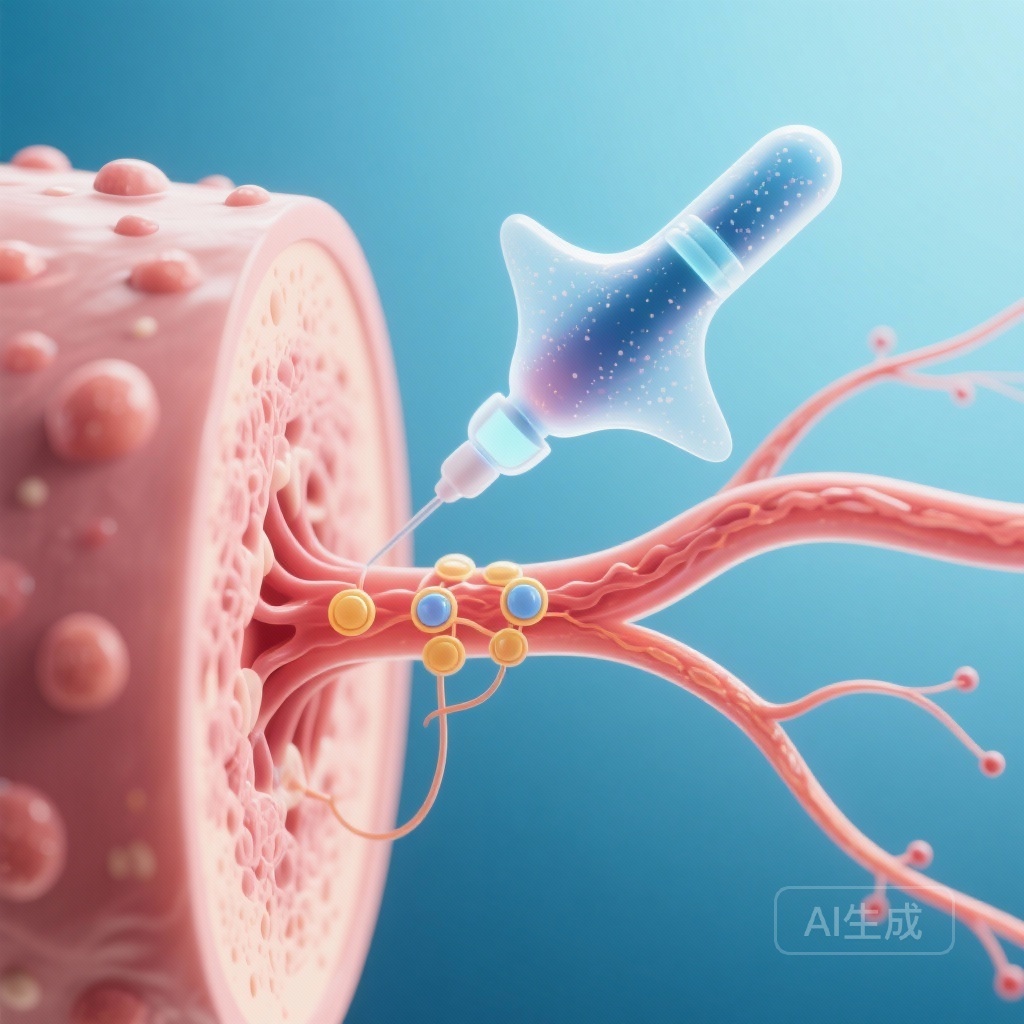
Dose-Dependent Efficacy of Vixarelimab in Prurigo Nodularis: Targeting the OSMRβ Pathway for Itch and Lesion Resolution

Dose-Dependent Efficacy of Vixarelimab in Prurigo Nodularis: Targeting the OSMRβ Pathway for Itch and Lesion Resolution

This Phase 2b randomized clinical trial demonstrates that vixarelimab, a monoclonal antibody targeting OSMRβ, significantly reduces pruritus and promotes skin lesion clearance in patients with moderate-to-severe prurigo nodularis, offering a potent, dose-dependent therapeutic option with a favorable safety profile.
Causal Insights Into Hidradenitis Suppurativa: Mendelian Randomization Evidence Linking BMI, Inflammatory Bowel Disease, and Smoking

Causal Insights Into Hidradenitis Suppurativa: Mendelian Randomization Evidence Linking BMI, Inflammatory Bowel Disease, and Smoking

Recent Mendelian randomization analyses demonstrate causal effects of increased BMI and inflammatory bowel disease on hidradenitis suppurativa risk, elucidating modifiable contributions beyond genetic correlations with psoriasis and systemic sclerosis.
Dutch Nationwide Registry Shows Large Health-System Burden and Early Progression Risk in Advanced Cutaneous Squamous Cell Carcinoma

Dutch Nationwide Registry Shows Large Health-System Burden and Early Progression Risk in Advanced Cutaneous Squamous Cell Carcinoma

The Dutch Keratinocyte Cancer Collaborative (DKCC) provides the first nationwide longitudinal real-world dataset of advanced cutaneous squamous cell carcinoma (CSCC), estimating that 8% of CSCC are locally advanced and demonstrating short median times to recurrence or metastasis, substantial resource needs, and meaningful proportions of untreated metastatic episodes.
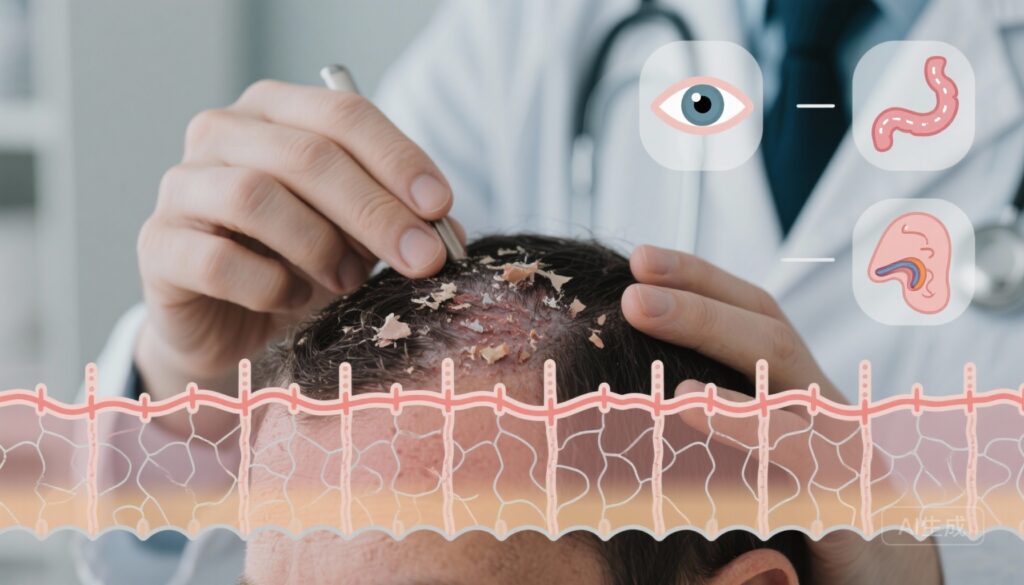
Seborrheic Dermatitis and Epithelial Barrier Diseases: Large Cohort Studies Support a Shared Barrier‑Driven Pathogenesis

Seborrheic Dermatitis and Epithelial Barrier Diseases: Large Cohort Studies Support a Shared Barrier‑Driven Pathogenesis

Two large US retrospective cohort studies show seborrheic dermatitis is strongly associated with a range of epithelial barrier diseases (skin, respiratory, gastrointestinal, ocular), with evidence of bidirectional risk. Findings support the epithelial barrier theory and prompt integrated clinical awareness and mechanistic research.
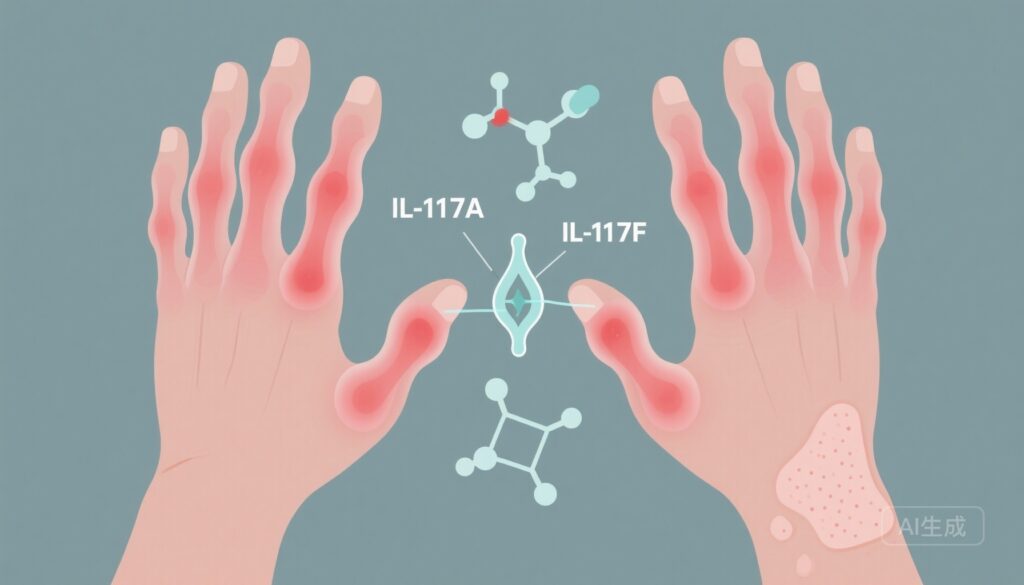
Antibiotic Exposure Linked to Shorter Biologic Survival in Psoriasis: A Large French Cohort Suggests a Dose–Response Relationship

Antibiotic Exposure Linked to Shorter Biologic Survival in Psoriasis: A Large French Cohort Suggests a Dose–Response Relationship

A nationwide retrospective cohort (36,129 patients) found antibiotic use before or during biologic treatment for psoriasis was associated with higher risk of discontinuation or switch; multiple dispensations carried larger risk, suggesting antibiotic-associated dysbiosis may reduce biologic persistence.
Intimacy, Intranasal Oxytocin, and Faster Wound Healing: A Randomized Trial Linking Touch, Sex, and Neuroendocrine Recovery

Intimacy, Intranasal Oxytocin, and Faster Wound Healing: A Randomized Trial Linking Touch, Sex, and Neuroendocrine Recovery

A double‑blind RCT in 160 healthy adults found that intranasal oxytocin combined with structured positive interaction and daily physical intimacy (affectionate touch, sex) was associated with reduced cortisol and modestly faster dermatologic wound healing, with caveats on robustness and generalizability.
Neoadjuvant Nivolumab With or Without Low‑Dose Ipilimumab Produces High Pathologic Response and Organ Preservation in Resectable Cutaneous Squamous Cell Carcinoma: Results from the MATISSE Phase 2 Trial

Neoadjuvant Nivolumab With or Without Low‑Dose Ipilimumab Produces High Pathologic Response and Organ Preservation in Resectable Cutaneous Squamous Cell Carcinoma: Results from the MATISSE Phase 2 Trial

The randomized MATISSE trial shows neoadjuvant nivolumab ± low‑dose ipilimumab yields high major/partial pathological response rates, excellent 2‑year disease‑specific survival, and enables organ preservation in many patients with resectable cutaneous squamous cell carcinoma.
Immune Checkpoint Inhibitors Amplify Risk and Delay Onset of SJS/TEN: Evidence for a Two‑Hit Mechanism

Immune Checkpoint Inhibitors Amplify Risk and Delay Onset of SJS/TEN: Evidence for a Two‑Hit Mechanism

A large FAERS analysis links immune checkpoint inhibitors (ICIs) to markedly increased SJS/TEN risk, demonstrates additive synergy with high‑risk small molecules, and shows delayed latency particularly with anti–PD‑1 agents — supporting a two‑hit, T‑cell–mediated model and urging cautious coprescribing and prospective study.