Neoadjuvant Nivolumab With or Without Low‑Dose Ipilimumab Produces High Pathologic Response and Organ Preservation in Resectable Cutaneous Squamous Cell Carcinoma: Results from the MATISSE Phase 2 Trial

Neoadjuvant Nivolumab With or Without Low‑Dose Ipilimumab Produces High Pathologic Response and Organ Preservation in Resectable Cutaneous Squamous Cell Carcinoma: Results from the MATISSE Phase 2 Trial

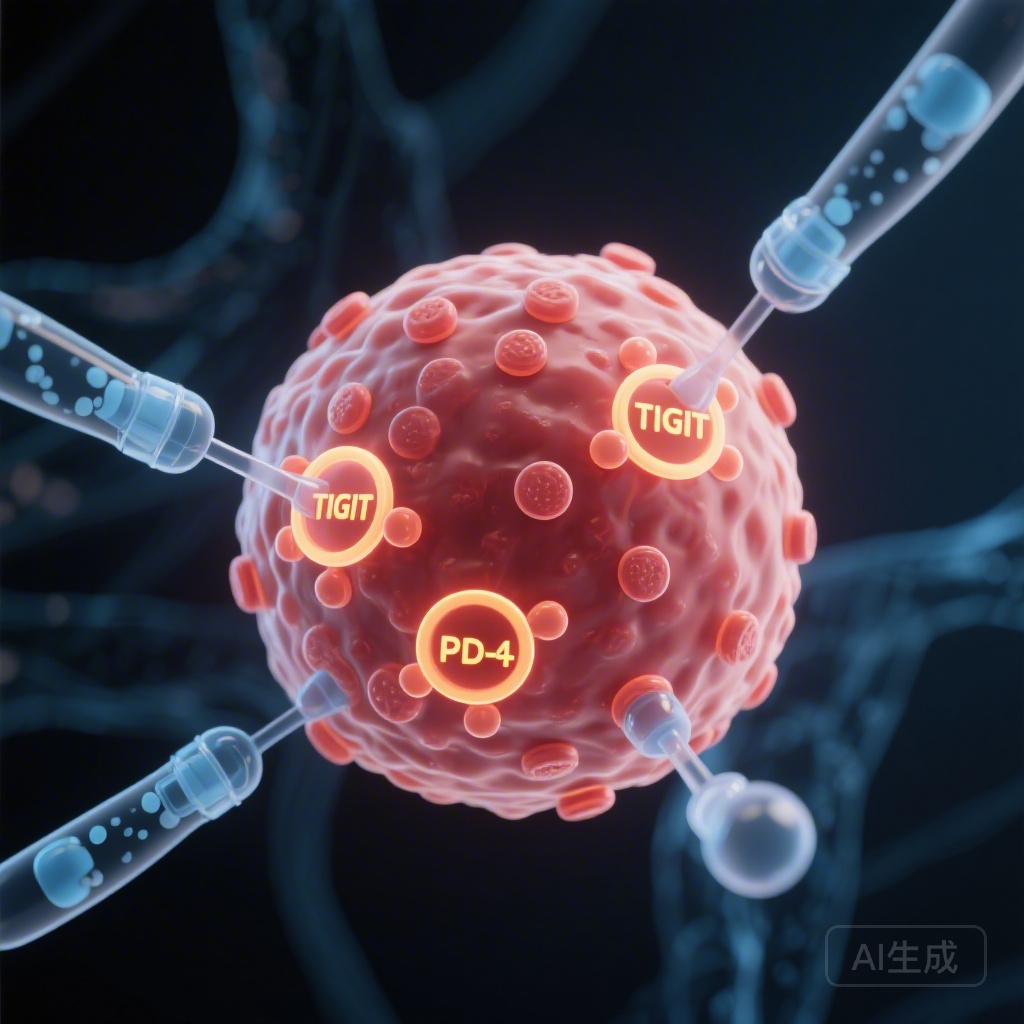
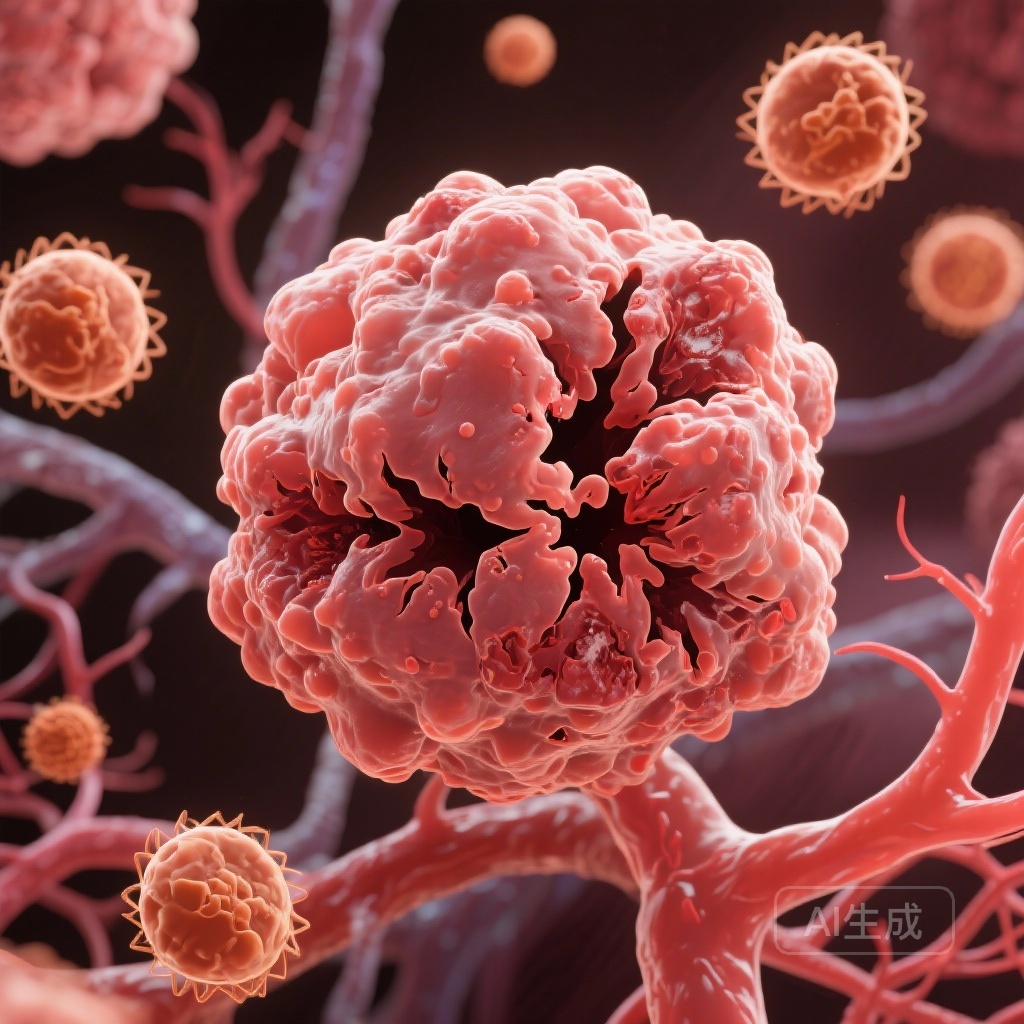
The randomized MATISSE trial shows neoadjuvant nivolumab ± low‑dose ipilimumab yields high major/partial pathological response rates, excellent 2‑year disease‑specific survival, and enables organ preservation in many patients with resectable cutaneous squamous cell carcinoma.
Immune Checkpoint Inhibitors Amplify Risk and Delay Onset of SJS/TEN: Evidence for a Two‑Hit Mechanism

Immune Checkpoint Inhibitors Amplify Risk and Delay Onset of SJS/TEN: Evidence for a Two‑Hit Mechanism

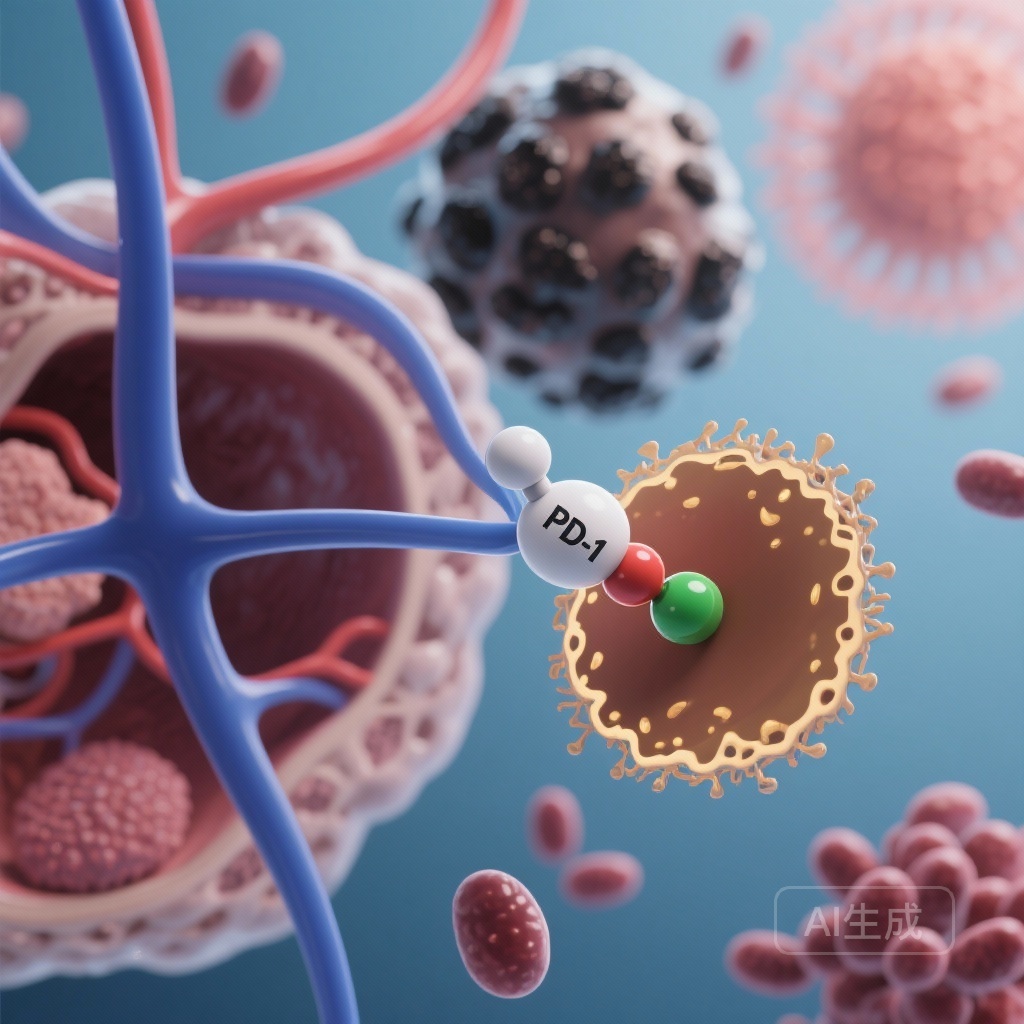
A large FAERS analysis links immune checkpoint inhibitors (ICIs) to markedly increased SJS/TEN risk, demonstrates additive synergy with high‑risk small molecules, and shows delayed latency particularly with anti–PD‑1 agents — supporting a two‑hit, T‑cell–mediated model and urging cautious coprescribing and prospective study.
Oral Icotrokinra Achieves Rapid Skin Clearance in Moderate‑to‑Severe Plaque Psoriasis: Phase 3 Data from ICONIC and ADVANCE Programs

Oral Icotrokinra Achieves Rapid Skin Clearance in Moderate‑to‑Severe Plaque Psoriasis: Phase 3 Data from ICONIC and ADVANCE Programs

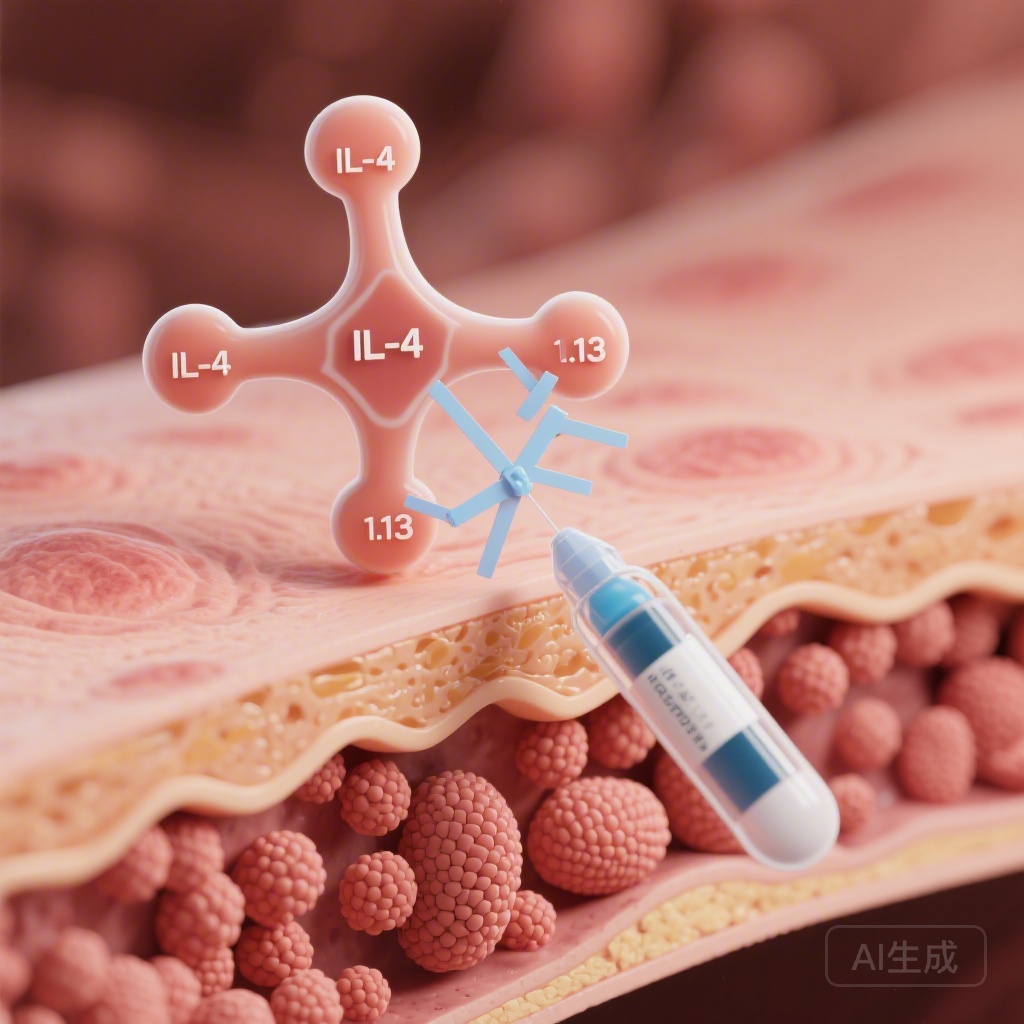
Icotrokinra, an oral peptide that selectively blocks the IL‑23 receptor, produced substantial skin clearance (IGA 0/1 65–70%, PASI 90 50–57% at week 16) versus placebo in phase 3 trials, with broadly similar short‑term safety to placebo and fewer adverse events than deucravacitinib through 24 weeks.