ICU Structure and Care Processes Drive VAP and CLABSI Burden in Brazilian ICUs: Insights from the IMPACTO‑MR Nested Cohort

ICU Structure and Care Processes Drive VAP and CLABSI Burden in Brazilian ICUs: Insights from the IMPACTO‑MR Nested Cohort

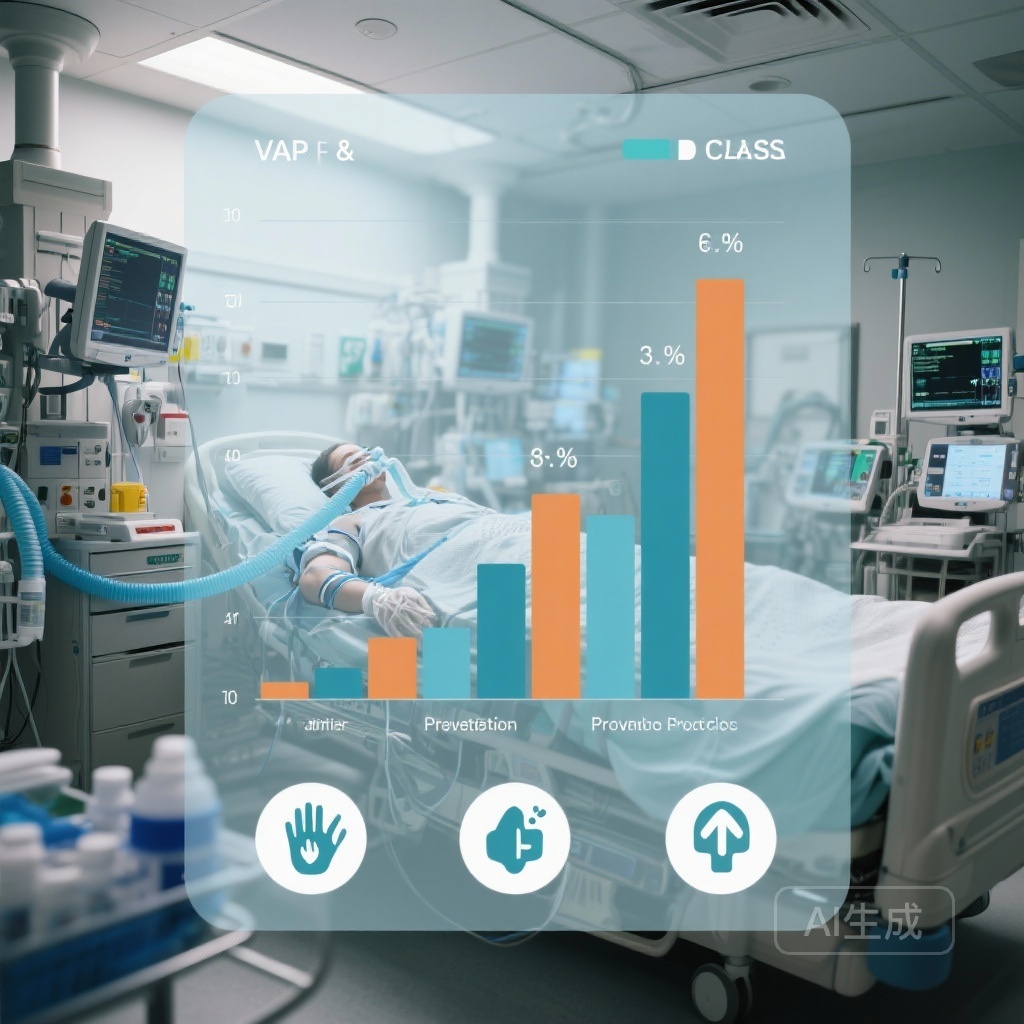
A large multicenter Brazilian cohort found that ICU-level structure and process measures — staffing, prevention protocols, hand hygiene training, visitation policies, and specific clinical roles — explain substantial between-hospital variability and are associated with lower VAP and CLABSI rates.

Effectiveness of Automated Closed-Loop Ventilation versus Protocolized Conventional Ventilation in Critically Ill Adults: A Comprehensive Evidence Review

Effectiveness of Automated Closed-Loop Ventilation versus Protocolized Conventional Ventilation in Critically Ill Adults: A Comprehensive Evidence Review

Automated closed-loop ventilation improves ventilation quality but does not increase ventilator-free days at day 28 compared to protocolized conventional ventilation in critically ill adults, with benefits in safety profiles and caregiver workload.
ICU Structure and Care Processes Explain Much of VAP and CLABSI Variation in Brazilian ICUs: Findings from a 50‑Unit IMPACTO‑MR Nested Cohort

ICU Structure and Care Processes Explain Much of VAP and CLABSI Variation in Brazilian ICUs: Findings from a 50‑Unit IMPACTO‑MR Nested Cohort

A 50‑ICU nested cohort from the IMPACTO‑MR platform links ICU-level structure and care processes to substantially different ventilator‑associated pneumonia and central line‑associated bloodstream infection rates, highlighting modifiable institutional targets in LMIC intensive care.
Digital twins suggest APRV can lower mechanical power and tidal recruitment versus PCV in ARDS — modeling evidence and clinical implications

Digital twins suggest APRV can lower mechanical power and tidal recruitment versus PCV in ARDS — modeling evidence and clinical implications

High-fidelity digital twins of 98 ARDS patients indicate APRV (Phigh 25/Plow 0, long Tinsp, short Tlow to 75% peak expiratory flow) reduced mechanical power by ~32% and tidal recruitment by ~34% versus recorded PCV, at the cost of controlled hypercapnia; clinical trials are needed.
RBC Transfusions in Early Sepsis Resuscitation: Common, Complex, and Potentially Harmful Above a 10 g/dL Threshold

RBC Transfusions in Early Sepsis Resuscitation: Common, Complex, and Potentially Harmful Above a 10 g/dL Threshold

In a multicenter Korean sepsis cohort, early RBC transfusions were frequent and driven by illness severity. No overall 60‑day mortality difference was seen after propensity matching, but transfusion was associated with harm at hemoglobin ≥10 g/dL and a possible benefit below that threshold.
Higher Mortality When Children on Mechanical Ventilation Are Cared for Outside ICUs: National Japanese Cohort Signals Need for Pediatric ICU Centralization

Higher Mortality When Children on Mechanical Ventilation Are Cared for Outside ICUs: National Japanese Cohort Signals Need for Pediatric ICU Centralization

A national retrospective cohort of 129,375 mechanically ventilated children in Japan found most received care on general wards and that ward care was associated with higher in-hospital mortality than ICU care after propensity matching (6.4% vs 4.1%; OR 1.49). Findings raise systems-level questions about pediatric critical care capacity and centralization.
Phenylephrine Versus Norepinephrine in Acute Abdomen Surgery: Similar Clinical Outcomes but Different Early Renin Responses — Implications for Perioperative Hemodynamic Care

Phenylephrine Versus Norepinephrine in Acute Abdomen Surgery: Similar Clinical Outcomes but Different Early Renin Responses — Implications for Perioperative Hemodynamic Care

A randomized trial in 156 emergency acute-abdomen patients found phenylephrine and norepinephrine produced similar postoperative RAAS changes and complication rates; norepinephrine produced an early renin rise, while high preoperative renin predicted greater vasopressor needs and higher AKI incidence.
Frailty Amplifies Mortality Risk Across the PaO2/FiO2 Spectrum: Insights from a 497,185‑Patient ANZICS Cohort

Frailty Amplifies Mortality Risk Across the PaO2/FiO2 Spectrum: Insights from a 497,185‑Patient ANZICS Cohort

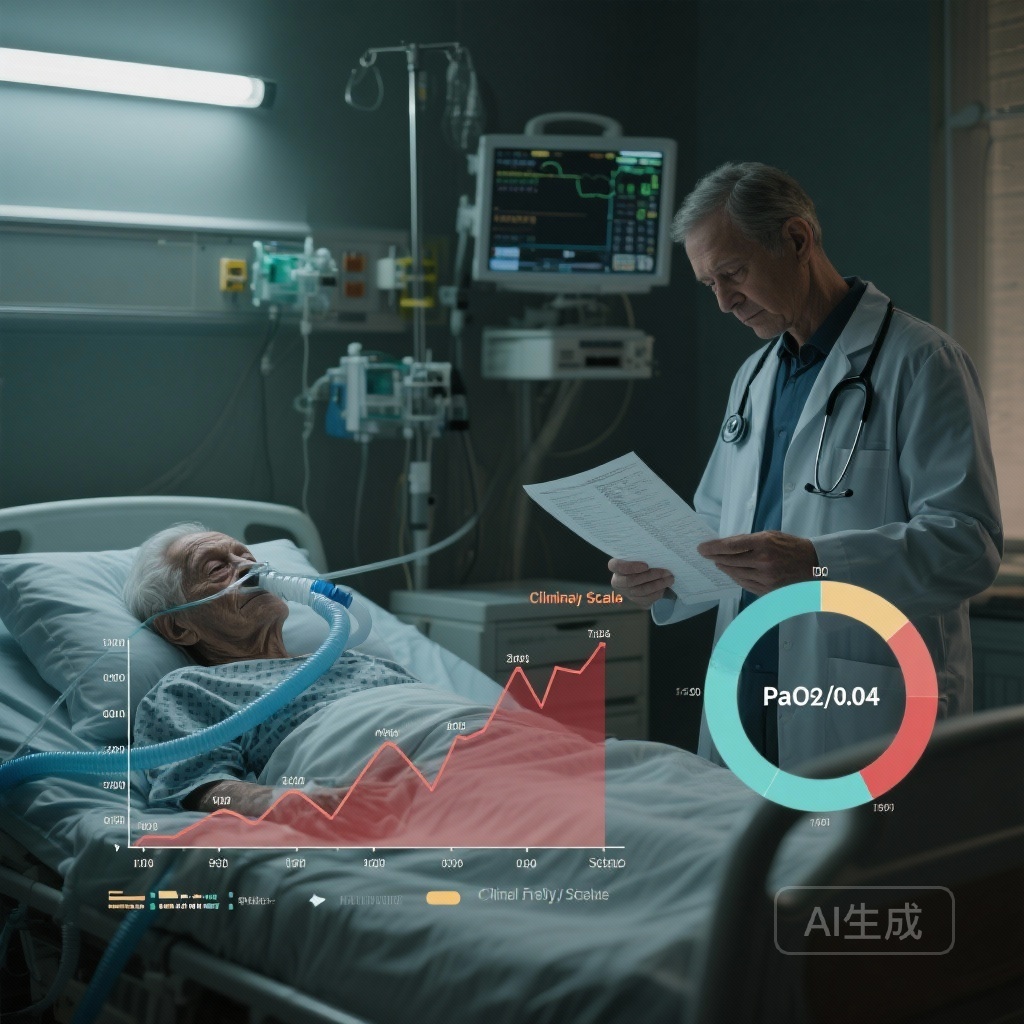
In a 497,185‑patient registry study, frailty (CFS ≥5) was common and associated with substantially higher in‑hospital mortality across all severities of acute hypoxemic respiratory failure (AHRF). The relationship between PaO2/FiO2 and death was nonlinear and distinctly separated by frailty category.
Why Emergency Medicine Residents Rarely Choose Surgical Critical Care — A Nationwide Survey and a Roadmap to Increase EM-SCC Matriculation

Why Emergency Medicine Residents Rarely Choose Surgical Critical Care — A Nationwide Survey and a Roadmap to Increase EM-SCC Matriculation

A national survey of 111 emergency medicine trainees identifies limited exposure to surgical critical care, institutional and geographic factors, and program characteristics (ECMO, multidisciplinary teams) as key modifiable drivers of low EM matriculation into surgical critical care fellowships.
Paracetamol Lowers Cerebral Temperature Modestly but Meaningfully in Febrile Brain‑Injured Patients: Results of the NEUROTHERM Randomized Pharmacodynamic Trial

Paracetamol Lowers Cerebral Temperature Modestly but Meaningfully in Febrile Brain‑Injured Patients: Results of the NEUROTHERM Randomized Pharmacodynamic Trial

In a double‑blind RCT of 99 febrile brain‑injured patients with intracerebral thermal probes, a single IV dose of paracetamol reduced mean cerebral temperature by 0.6°C versus placebo and kept cerebral temperature <38.5°C for a median 3.6 hours; one‑third of patients did not respond.