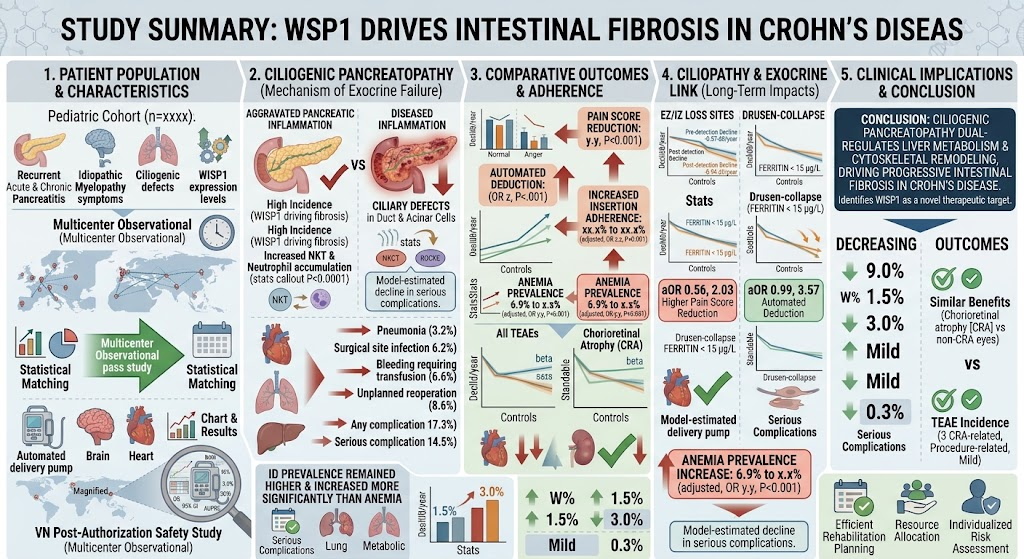
Identification of a novel pancreatic disease, named ciliogenic pancreatopathy, linked to ciliary gene mutations including NPHP3 and HNF1B.
The discovery integrates pancreatic exocrine dysfunction into the spectrum of ciliopathies, traditionally associated with renal and hepatic manifestations.
Mouse models with Nphp3 mutations develop characteristic pancreatic acinar atrophy, adipocyte infiltration, and microcystic changes in secretory canaliculi, mirroring human disease phenotypes.
Advanced imaging techniques, such as Dixon-MRI, reveal increased pancreatic fat content in affected patients, suggesting potential diagnostic biomarkers and therapeutic monitoring tools.