Introduction
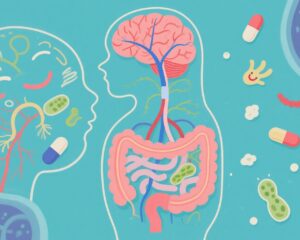
Depression is a complex mood disorder characterized by persistent feelings of sadness and loss of interest, often accompanied by physiological changes including inflammation. Recent advances have explored the gut-brain axis and the potential role of gut microbiota in modulating depressive symptoms. Probiotics, live microorganisms that may confer health benefits, have been investigated for their adjunctive antidepressant properties. However, despite promising preliminary data, robust clinical evidence remains scarce.
One proposed mechanism by which probiotics may exert antidepressant effects involves short-chain fatty acids (SCFAs)—neuroactive bacterial metabolites with known anti-inflammatory properties. This study aimed to evaluate whether adjunctive treatment with a Lactobacillus probiotic (specifically Limosilactobacillus reuteri) could improve depressive symptoms in patients experiencing systemic low-grade inflammation. Additionally, the study assessed correlations between treatment response and SCFAs in blood and feces.