Introduction and Context
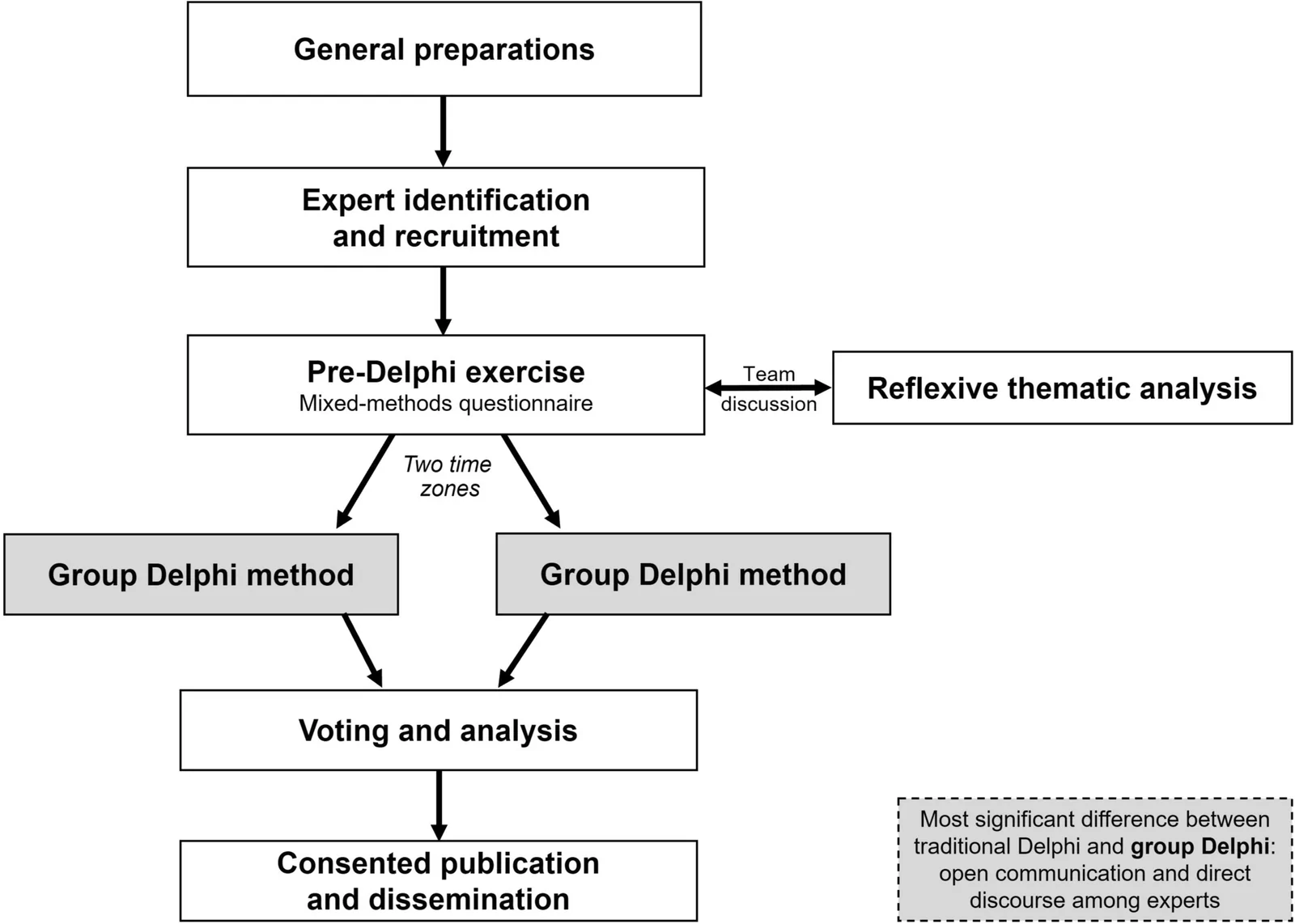
Physical literacy — the integration of physical, affective, cognitive and social capacities that enable a person to be active for life — has become a central concept for educators, public-health officials, sport leaders and community practitioners. Yet despite growing uptake, the field has been hampered by inconsistent definitions, fragmented implementation, patchy measurement, and a lack of a shared, prospective roadmap to coordinate research, practice and policy internationally. In response, the Global Physical Literacy (GloPL) Consortium convened a structured Delphi consensus process described in Carl et al., “The Global Physical Literacy Action Framework: Process and Outcomes” (Sports Medicine, 2026). That work sets out the pillars and early recommendations for a first GloPL Action Framework intended to guide coordinated action across education, public health, sport, healthcare/promotion, rehabilitation, active recreation and community development. Why this consensus matters now – Policy and practice are increasingly expected to address lifelong physical activity and associated health burdens (cardiometabolic disease, mental health, functional decline). The WHO Global Action Plan on Physical Activity 2018–2030 calls for systems-level approaches, in which physical literacy can be a unifying concept. (WHO, 2018). – Diverse definitions and approaches to physical literacy have limited scalability. Countries and sectors need interoperable principles, common priorities and practical pathways to implement and evaluate interventions consistently. – Implementation science and population-level surveillance for physical literacy are underdeveloped but critical to move from local innovations to global impact. The GloPL Delphi aimed to address these gaps by producing consensus on goals, principles, priority actions and implementation pathways. Below we summarize the process, the core recommendations, topic-by-topic guidance, expert perspectives, and practical implications for clinicians, educators and public-health leaders.New Guideline Highlights
Major outcomes from the GloPL consensus – Five organizing themes: advocacy, practice, education, assessment and research. These became the pillars of the emerging GloPL Action Framework. – Fifteen central topic areas were discussed across the Consortium; six achieved consensus in round 1 and nine in round 2 of Delphi voting. The study used pre-defined agreement thresholds for acceptance. – Core recommendations (high-level): – Establish an internationally agreed core set of physical literacy elements/principles (advocacy). – Produce accessible resources and implementable programmes tailored to diverse settings (practice). – Align physical education curricula with physical literacy principles across age groups and contexts (education). – Build capacity for population-level assessment of physical literacy, with standard indicators and culturally adaptable tools (assessment). – Emphasize implementation science and systems approaches to scale effective interventions and close research-to-practice gaps (research). Key takeaways for clinicians and practitioners – Treat physical literacy as an integrative outcome (movement competence, motivation/confidence, knowledge/understanding, and social engagement) relevant to prevention, rehabilitation, and lifelong activity promotion. – Prioritize interdisciplinary planning: education, health, sport and community sectors should co-design interventions. – Use standardized core principles but adapt curricula and measures to local cultures and resources.Updated Recommendations and Key Changes
How GloPL advances prior statements – From concept to coordinated action: While earlier publications (e.g., Margaret Whitehead’s foundational work) articulated definitions and philosophy of physical literacy, GloPL moves beyond definitional debate to an action-oriented framework that specifies advocacy goals, implementation priorities, and research pathways. – Measurement focus intensified: GloPL prioritizes population-level assessment and standard indicators rather than only program-level evaluations. – Implementation science uplifted: Compared with earlier, largely descriptive guidance, GloPL explicitly requires implementation frameworks and outcome metrics (e.g., adoption, fidelity, reach). This mirrors broader trends in health policy and implementation research (see Proctor et al., 2011; RE-AIM literature). Consensus adoption thresholds and practical meaning – The Delphi used two rounds of voting with pre-set agreement thresholds for acceptance; six topics met the threshold in round 1 and nine in round 2. The framework deliberately balances international consistency with local adaptability: core principles are to be standardized while tools/programmes are to be flexible and culturally sensitive.Topic-by-Topic Recommendations
Below are the central recommendation areas summarized from the GloPL consensus, with practical guidance and the consensus status reported by the authors. 1) Advocacy: Define and promote a core set of principles – Recommendation: Establish and endorse an international, concise set of core physical literacy principles that span movement competence, affective elements (motivation/confidence), cognition (knowledge/understanding), and social interaction. These principles should be used to align messaging across sectors. – Rationale: A shared statement supports policy uptake and consistent advocacy across countries and systems. – Consensus status: Accepted in early rounds as a priority. 2) Practice: Expand resources, programs and workforce capacity – Recommendation: Develop open-access implementation resources (program manuals, teacher guides, community toolkits) that translate core principles into age- and setting-specific activities. Invest in workforce development (teachers, coaches, health practitioners) with competency frameworks. – Implementation tips: Co-design resources with end-users; pilot materials in diverse settings; integrate digital platforms for dissemination. 3) Education: Align curricula and teacher training – Recommendation: Integrate physical literacy into quality physical education (QPE) and wider school curricula. Align learning outcomes across early childhood, primary, secondary and lifelong learning pathways. Prioritize teacher training and pre-service education to deliver physical literacy-informed pedagogy. – Evidence base: Education alignment is foundational for scalable, lifelong gains in physical activity behaviors. 4) Assessment: Build population-level surveillance and core indicators – Recommendation: Develop a pragmatic, culturally adaptable core indicator set for population surveillance of physical literacy. Tools should measure multiple domains (movement competence, motivation/confidence, knowledge, social/contextual engagement) and be feasible for large-scale use. – Implementation guidance: Identify short-form, validated instruments or composite indicators. Include age-appropriate modules. Pair surveillance with process measures (reach, equity) so that monitoring captures both outcomes and implementation quality. 5) Research: Emphasize implementation science, equity and measurement validation – Recommendation: Prioritize implementation research to determine how best to scale effective interventions, sustain programmes, and reduce inequities. Fund longitudinal and mixed-methods studies to understand causal pathways between physical literacy, lifelong physical activity and health outcomes. – Research priorities include cross-cultural validation of measures, evaluation of cost-effectiveness, and effectiveness trials embedded in real-world systems. 6) Cross-cutting: Equity, cultural relevance and Indigenous knowledge – Recommendation: Ensure that frameworks and tools are culturally co-designed and explicitly address equity. Recognize and integrate Indigenous perspectives on movement where relevant, and engage communities as partners in design and evaluation. Summary table of prioritized actions (consensus status) – Core principles statement — Consensus: strong – Open-access implementation resources & workforce development — Consensus: strong – Curriculum alignment & teacher training — Consensus: strong – Population-level assessment & indicators — Consensus: agreed after round 2 – Implementation science emphasis — Consensus: agreed after round 2 – Equity and cultural adaptation — Consensus: agreed after round 2 (higher-level consensus: all above were accepted across rounds of the GloPL Delphi; the paper documents the precise thresholds and voting outcomes.)Expert Commentary and Insights
What committee members emphasized – From concept to systems action: Many panelists argued that physical literacy should not remain an academic debate; it must be operationalized in systems (schools, health services, sport) to benefit population health. – Measurement caution: Experts warned against imposing a single measurement instrument globally. Instead, they recommended a tiered approach: a concise core indicator set for surveillance and richer multi-domain assessments for program evaluation and research. – Importance of implementation frameworks: Panelists emphasized established frameworks (e.g., RE-AIM, implementation outcomes taxonomy) to guide scaling and evaluation; this aligns with broader implementation science principles (Proctor et al., 2011; Glasgow et al., 1999). Areas of controversy and debate – Definition vs. pragmatism: Some participants remained concerned about losing conceptual nuance if the field rushes to standardize definitions. The consensus strikes a compromise: define core principles but allow culturally appropriate adaptations. – Measurement trade-offs: There is tension between psychometric rigor (comprehensive multi-domain instruments) and feasibility for population surveillance (short measures). Experts call for validation studies across cultures and ages. – Sectoral ownership: Who ‘‘owns’’ physical literacy? Education systems often lead, but public-health and sport sectors must be partners. The consensus calls for cross-sector governance mechanisms. Future research directions highlighted by experts – Cross-cultural validation studies of candidate indicators – Pragmatic trials of curriculum-integrated physical literacy programmes with long-term follow-up – Economic evaluations to inform policy decisions – Implementation research on strategies to increase adoption and sustainment across low-resource settingsPractical Implications
How this consensus changes practice on the ground – For school leaders and teachers: Expect to see new curricular guidance aligned with physical literacy principles. Invest in teacher training and co-designed lesson plans that develop movement competence together with motivation and understanding. – For public health practitioners: Physical literacy can be used as a cross-sectoral objective that unites education, sport, transport and urban planning strategies. Prioritize surveillance and integrate core indicators into existing health surveys where feasible. – For researchers: Embrace implementation-science designs that evaluate real-world delivery, equity impacts and scalability. A short vignette: Applying GloPL recommendations Emma is a primary-school PE coordinator in a mid-sized city. After local public-health partners adopt a GloPL-aligned policy, Emma receives a teacher toolkit co-designed with her colleagues: a set of age-appropriate lesson sequences targeting movement skills, confidence-building activities, and classroom prompts to build knowledge about why activity matters. The district integrates a concise 6-item physical literacy screener into their annual school health survey. Over two years, Emma’s school documents higher participation in free-play, improved teacher confidence delivering PE, and increased after-school activity sign-ups. Implementation data (reach, fidelity, barriers) are collected and used to refine training materials. This local example demonstrates how the GloPL framework supports cross-sector cooperation, teacher capacity-building and pragmatic monitoring.Limitations and Implementation Challenges
– Evidence limitations: The GloPL consensus is built on expert synthesis and Delphi agreement rather than new randomized trials; many recommendations require empirical testing. – Resource constraints: Low-resource settings may need tailored, low-cost instruments and implementation supports. – Policy inertia: Moving from consensus to policy change will require advocacy, funding and political will. The framework recommends building coalitions across sectors to sustain momentum.References
Carl J, Barnett LM, Jerebine A, Mazzoli E, Mouton A, Barratt J, Elsborg P, Green N, Niederberger M, Sum RK; GloPL Consortium. The Global Physical Literacy Action Framework: Process and Outcomes. Sports Medicine (Auckland). 2026 Aug;56(11):2873-2892. PMID: 42571000. https://pubmed.ncbi.nlm.nih.gov/42571000/ World Health Organization. Global action plan on physical activity 2018–2030: more active people for a healthier world. Geneva: WHO; 2018. https://www.who.int/publications/i/item/9789241514187 Whitehead M. Physical Literacy: Throughout the Lifecourse. 1st ed. Routledge; 2010. (Foundational text describing the concept and theoretical background.) Proctor EK, Silmere H, Raghavan R, Hovmand P, Aarons G, Bunger A, et al. Outcomes for implementation research: conceptual distinctions, measurement challenges, and research agenda. Administration and Policy in Mental Health. 2011 Mar;38(2):65-76. Glasgow RE, Vogt TM, Boles SM. Evaluating the public health impact of health promotion interventions: The RE-AIM framework. American Journal of Public Health. 1999 Sep;89(9):1322-7. United Nations Educational, Scientific and Cultural Organization (UNESCO). Quality Physical Education (QPE): Guidelines for Policy-Makers. UNESCO; 2015. (Guidance to align national education policies with quality physical education.)Closing note
The GloPL Action Framework marks a transition in the physical literacy field from definitional debate toward coordinated, actionable guidance. By prioritizing core principles, scalable resources, population-level assessment and implementation science, the consensus offers a roadmap for countries and sectors that want to promote lifelong physical activity equitably. The framework is intended to be dynamic — evolving as tools are validated, programs are tested in varied settings, and new evidence emerges. Stakeholders are invited to adopt the principles, contribute local evidence, and participate in the iterative refinement of global guidance.Specialty calculators
For clinical reference; use professional judgment.