Analyzing 54 million adults in England reveals rising obesity rates from 2019-2025, disproportionately affecting socioeconomically deprived, ethnic minority, and younger adult groups, with widening inequalities intensified during the COVID-19 pandemic.
A retrospective cohort study evaluating 1-year weight loss, glycaemic control, and safety outcomes among adults with obesity and type 2 diabetes treated with semaglutide, tirzepatide, or sleeve gastrectomy, highlighting higher efficacy with surgery but varying safety profiles.
In a large TriNetX study, GLP-1 receptor agonists were associated with better overall survival and lower locoregional recurrence than bariatric surgery alone in obese postmenopausal women with stage 0-III breast cancer.
A large real-world study found GLP-1 receptor agonists were associated with better survival and lower locoregional recurrence than bariatric surgery in postmenopausal women with obesity and breast cancer.
REIMAGINE 2 found that once-weekly cagrilintide-semaglutide lowered HbA1c more than semaglutide alone in adults with type 2 diabetes and overweight or obesity, with a safety profile consistent with known gastrointestinal effects.
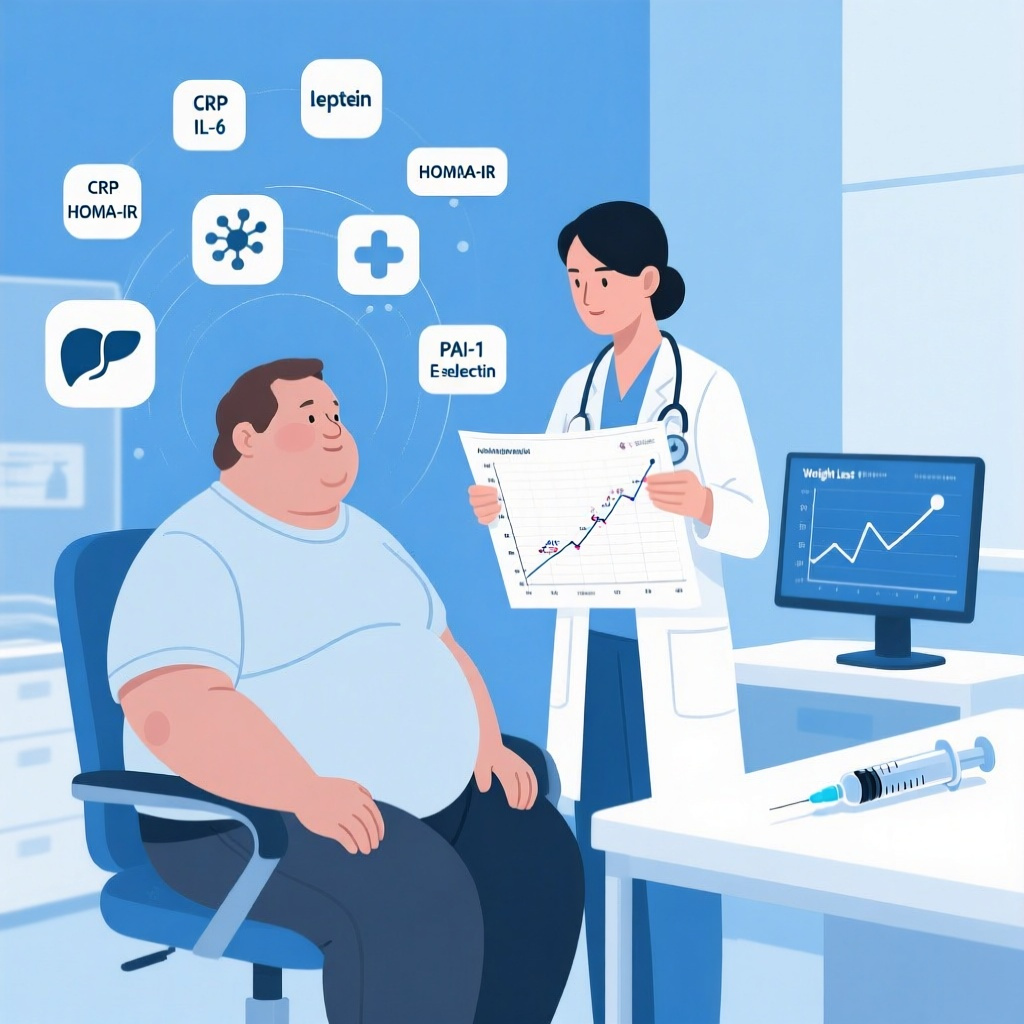
In a SURMOUNT-1 post hoc analysis, tirzepatide improved multiple cardiovascular risk biomarkers over 72 weeks in obesity, with the largest and most consistent effects seen for inflammation, insulin resistance, adiposity-related markers, endothelial dysfunction, and fibrinolytic balance.
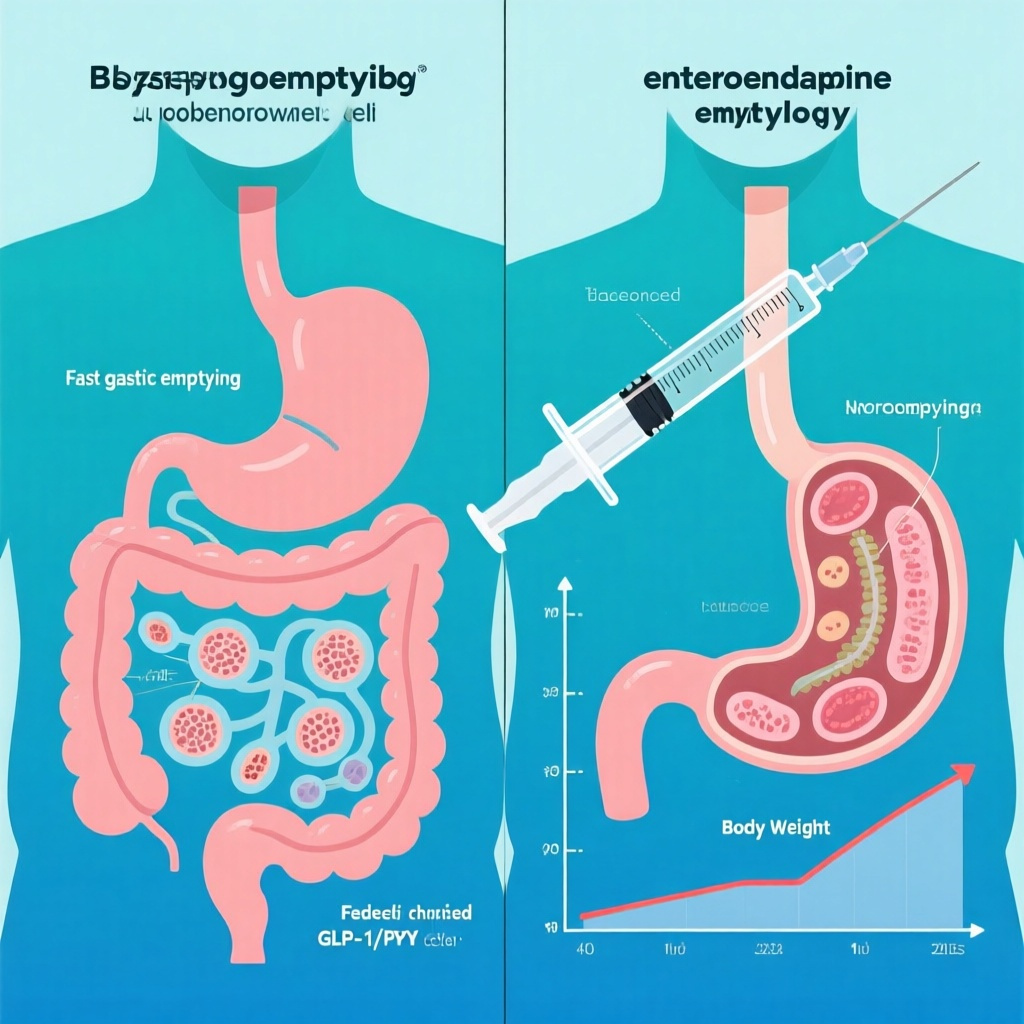
A 2026 study identifies a biologically distinct obesity subphenotype marked by fast gastric emptying, low GLP-1 synthesis, and substantially greater 6-month weight loss with tirzepatide.
In a large U.K. cohort, losing at least 15% of body weight within 2 years of type 2 diabetes diagnosis was linked to lower risks of heart, kidney, and eye complications, along with better glucose and blood pressure control.
In a 30-week randomized trial, semaglutide improved insulin sensitivity, reduced insulin resistance, lowered fasting glucose, and produced substantial weight loss in patients with schizophrenia and prediabetes taking second-generation antipsychotics.
Children with obesity and severe OSA usually stay overnight after tonsillectomy, but this study found most had no major complications. Oxygen nadir and AHI may help identify very low-risk patients who could be considered for same-day discharge.
Post-hoc metabolomic and lipidomic analyses from two phase 2 trials suggest retatrutide favorably remodels metabolic pathways linked to fatty acid oxidation, insulin resistance, and triglyceride composition in obesity, with and without type 2 diabetes.
A retrospective study of 135 pediatric BBS patients reveals high prevalence of obesity (77.6%) and short stature (21.1%), with low rates of hypogonadism, hypothyroidism, and glucose metabolism disorders compared to adult populations.
A nationwide study reveals that pre-pregnancy BMI and diabetes status significantly influence gestational age-specific stillbirth risks, with obese diabetic women facing the highest absolute risks, necessitating tailored delivery timing strategies.
A study of 1,454 older adults with metabolic syndrome reveals that long-term exposure to air pollutants like black carbon, PM2.5, and NO2 is associated with increased fat mass and decreased lean mass, persisting over three years, particularly in those under 65.
A multicenter retrospective cohort study reveals that metabolic bariatric surgery in 162 adults with type 1 diabetes and obesity achieved 29.7% weight loss at one year, reduced insulin requirements by 57%, and significantly improved glycemic and lipid profiles, suggesting MBS as a viable option for this high-risk population.
This emulation study applies SELECT trial data to over 600,000 individuals, suggesting that GLP-1RAs could significantly reduce 10-year cardiovascular risk in high-risk obese populations without existing disease, offering a potential 22% relative risk reduction.
A massive study of nearly 290,000 participants reveals that severe obesity (BMI ≥40) triples the risk of heart failure and nearly triples the risk of atrial fibrillation, with significant sex-based differences in stroke and mortality risk.
This review synthesizes recent evidence on how Vitamin D mitigates high-fat diet-induced testicular and sperm dysfunction, focusing on hormonal recovery, blood-testis barrier stabilization, and mitochondrial protection.
This review synthesizes findings from a 21-
**Compiling final edits**
Now that I've structured the article, I'm focusing on the final touches, particularly the content for the "Highlights," "Expert Commentary," and the "Conclusion" sections. I'm leveraging the provided literature, including the Dardari et al. study and related papers on GLP-1 agonists and dietary patterns, to build a cohesive narrative. The JSON schema is in its final phase of completion. I have successfully populated the `relative_articles` field.
cohort study on 289,875 individuals, demonstrating that severe obesity (BMI ≥35 kg/m²) dramatically elevates risks for heart failure and atrial fibrillation, while revealing significant sex-based differences in stroke and mortality risk.
A large-scale multicohort study reveals that adult obesity significantly increases the risk of hospitalization and death across nearly 1,000 infectious diseases, accounting for approximately one in ten infection-related deaths globally.