Enterococcus faecalis Drives MHC-II Expression in Intestinal Epithelium: A Novel Mechanism Linking Gut Microbiome Dysbiosis to Lethal Graft-versus-Host Disease

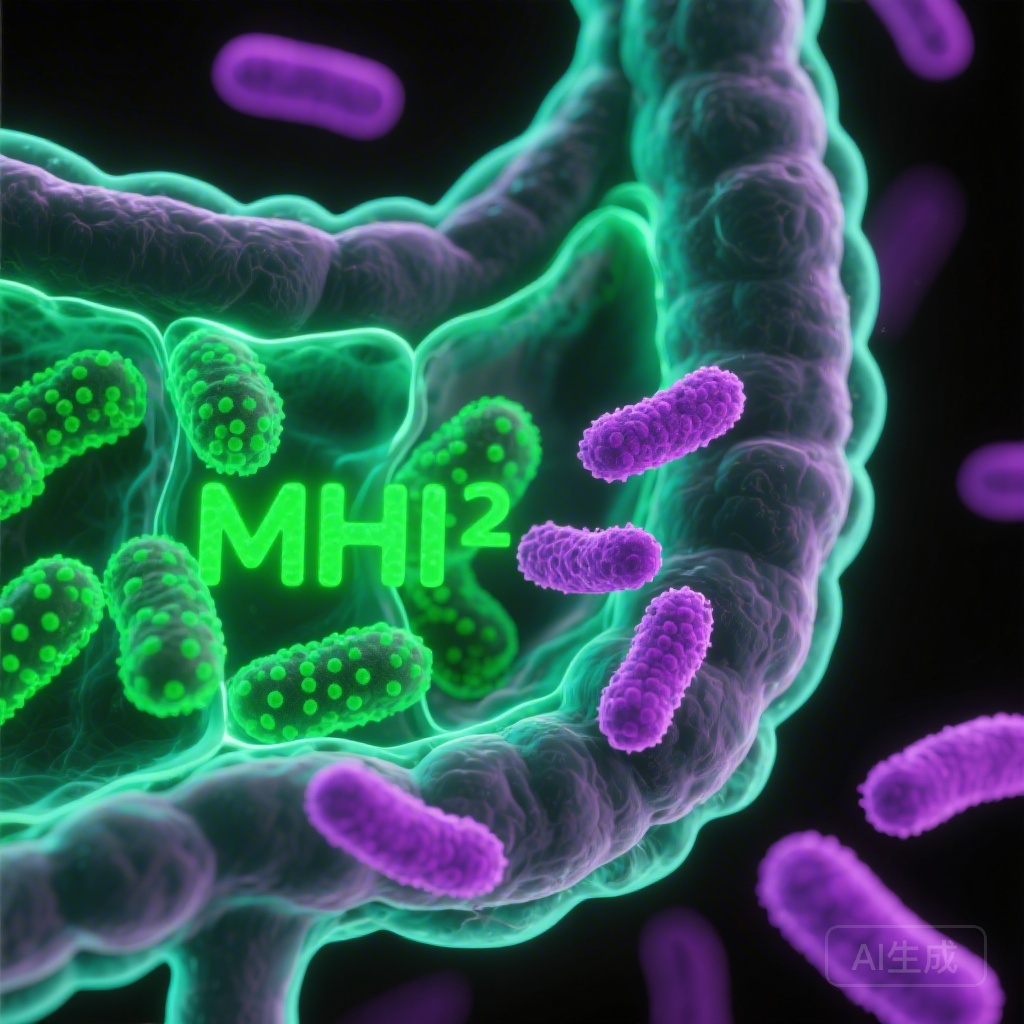
Enterococcus faecalis Drives MHC-II Expression in Intestinal Epithelium: A Novel Mechanism Linking Gut Microbiome Dysbiosis to Lethal Graft-versus-Host Disease

Research reveals that Enterococcus faecalis colonization induces MHC-II expression in intestinal epithelial cells during graft-versus-host disease, with a lantibiotic-producing Blautia producta strain demonstrating potential to restore colonization resistance and improve survival outcomes.
Dietary Lipid Sequestration and Metabolic Rewiring in Colorectal Cancer: New Mechanistic Frontiers and Therapeutic Potential

Dietary Lipid Sequestration and Metabolic Rewiring in Colorectal Cancer: New Mechanistic Frontiers and Therapeutic Potential

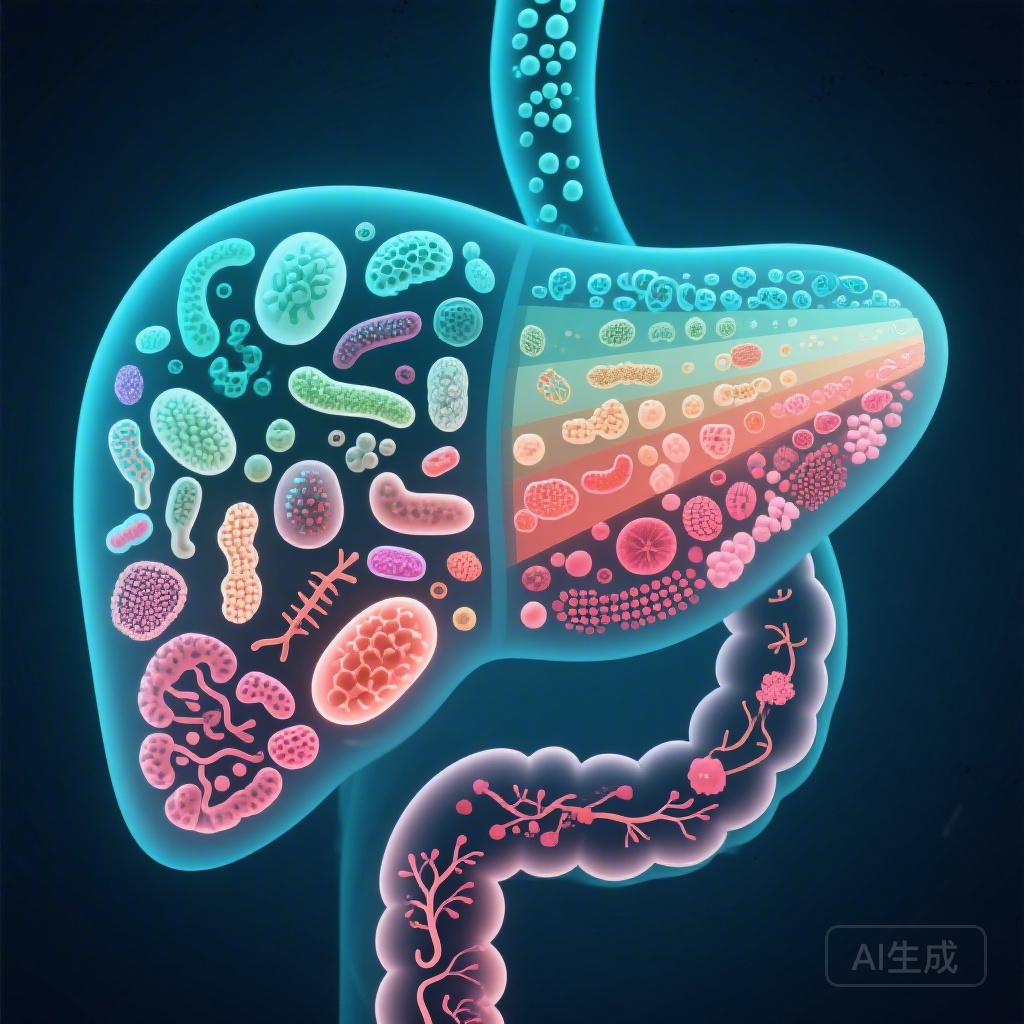
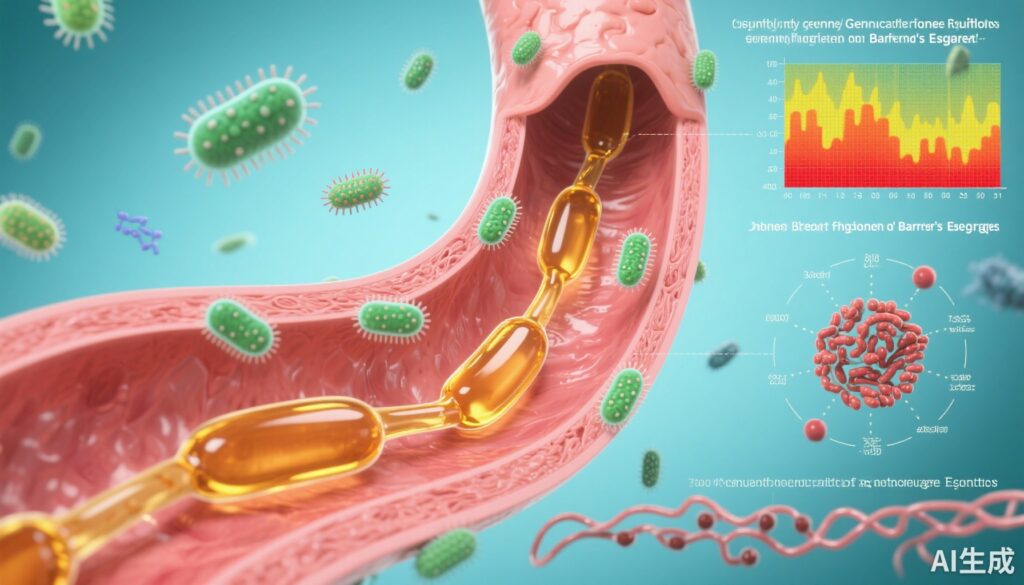
This review synthesizes recent evidence on how colorectal cancer tissues directly absorb extrinsic long-chain fatty acids from the intestinal lumen, particularly in right-sided tumors, and explores the critical interplay between lipid metabolism, the gut microbiome, and cancer cell proliferation.
Antibiotic Exposure Linked to Shorter Biologic Survival in Psoriasis: A Large French Cohort Suggests a Dose–Response Relationship

Antibiotic Exposure Linked to Shorter Biologic Survival in Psoriasis: A Large French Cohort Suggests a Dose–Response Relationship

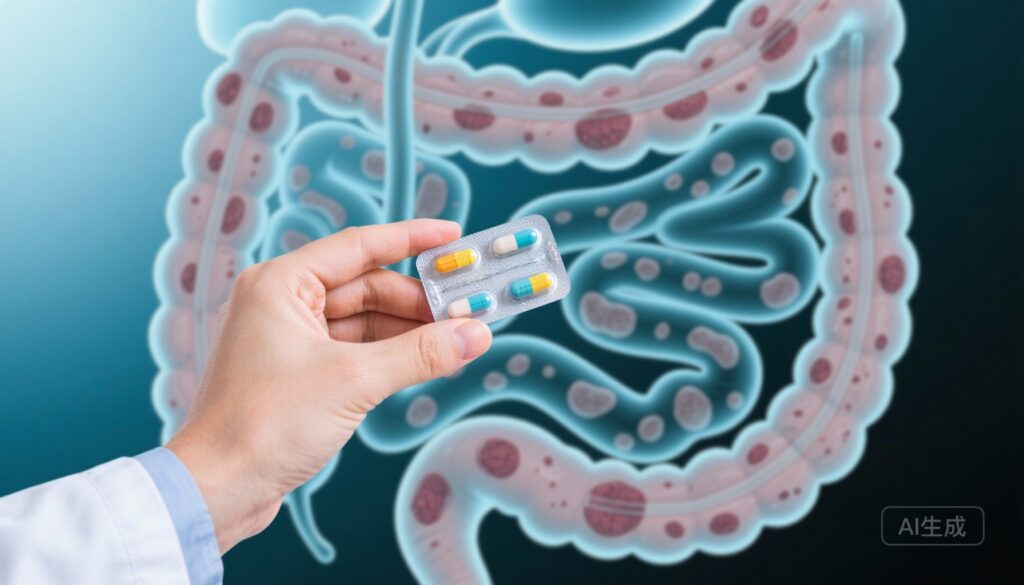
A nationwide retrospective cohort (36,129 patients) found antibiotic use before or during biologic treatment for psoriasis was associated with higher risk of discontinuation or switch; multiple dispensations carried larger risk, suggesting antibiotic-associated dysbiosis may reduce biologic persistence.
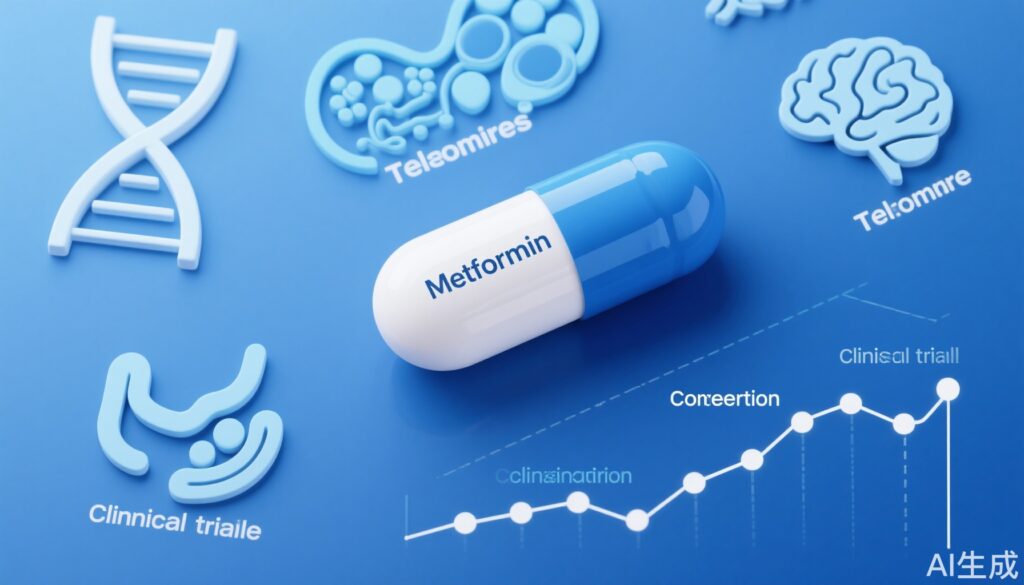
Metformin and ‘Anti‑Aging’: Promising Mechanisms but Mixed Clinical Evidence — What Recent Trials Tell Us

Metformin and ‘Anti‑Aging’: Promising Mechanisms but Mixed Clinical Evidence — What Recent Trials Tell Us

Recent randomized and mechanistic studies provide a nuanced view: metformin shows plausible anti‑aging mechanisms and microbiome‑linked cognitive associations, but randomized trials report no clear anti‑cancer or anti‑senescence effects in humans to date.