10-Year Randomized Outcomes of Transcatheter or Surgical Aortic Valve Replacement in Intermediate-Risk Aortic Stenosis: What PARTNER 2A Adds to the Long-Term TAVR Evidence Base

10-Year Randomized Outcomes of Transcatheter or Surgical Aortic Valve Replacement in Intermediate-Risk Aortic Stenosis: What PARTNER 2A Adds to the Long-Term TAVR Evidence Base

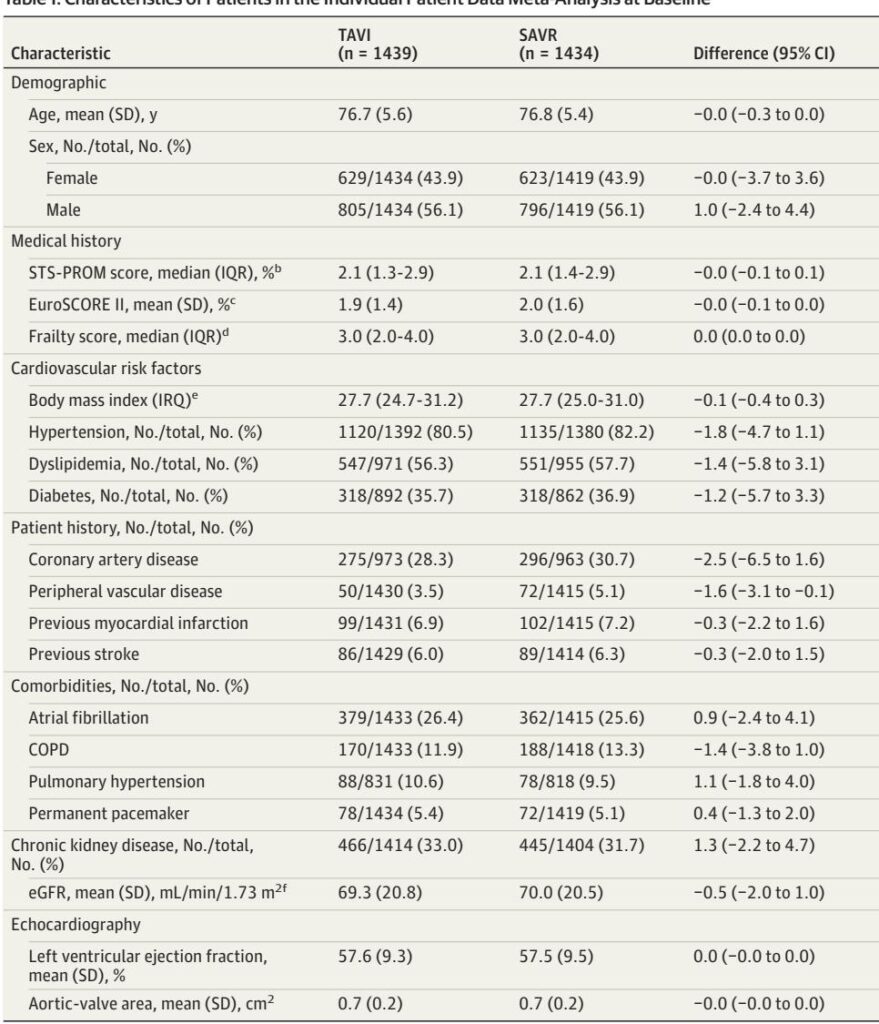
The PARTNER 2A 10-year data show higher mortality and reintervention with balloon-expandable SAPIEN XT TAVR versus surgery in intermediate-risk patients, driven mainly by transthoracic access. Contemporary 10-year SAPIEN 3 data, however, suggest outcomes comparable to surgery.
Myocardial Fibrosis Predicts Outcomes in Asymptomatic Severe Aortic Stenosis, But Early Valve Replacement May Not Offer Universal Benefit

Myocardial Fibrosis Predicts Outcomes in Asymptomatic Severe Aortic Stenosis, But Early Valve Replacement May Not Offer Universal Benefit

The EVOLVED trial reveals that higher myocardial fibrosis burden associates with adverse events in asymptomatic severe aortic stenosis patients, yet early intervention benefits appear nuanced—showing promise for reducing hospitalizations in high-fibrosis patients without clear mortality advantage.
Dual Pathology No Longer a Dead End: Tafamidis and AVR Improve Survival in Aortic Stenosis with Cardiac Transthyretin Amyloidosis

Dual Pathology No Longer a Dead End: Tafamidis and AVR Improve Survival in Aortic Stenosis with Cardiac Transthyretin Amyloidosis

In a multinational registry of patients with concomitant aortic stenosis (AS) and transthyretin cardiac amyloidosis (ATTR‑CA), both ATTR‑specific therapy (predominantly tafamidis) and aortic valve replacement (AVR) were independently associated with lower mortality. Combined therapy produced outcomes comparable to lone AS treated with AVR.