Nirsevimab in Chile’s First National RSV Campaign: 76% Reduction in RSV Hospitalisations and 85% Fewer ICU Admissions in Infants

Nirsevimab in Chile’s First National RSV Campaign: 76% Reduction in RSV Hospitalisations and 85% Fewer ICU Admissions in Infants

A nationwide retrospective study from Chile finds that a universal nirsevimab immunisation strategy in 2024 reduced RSV-related lower respiratory tract infection hospitalisations by 76% and ICU admissions by 85%, with an NNT of 35 to prevent one RSV LRTI admission.
Where Are People with Chronic Hepatitis B Lost? Global review shows major gaps after diagnosis — especially outside specialist care

Where Are People with Chronic Hepatitis B Lost? Global review shows major gaps after diagnosis — especially outside specialist care

A global systematic review (110 cohorts, 50 countries) found substantial attrition across the hepatitis B care cascade: low rates of treatment eligibility assessment and antiviral initiation in primary/community models, poor retention particularly among untreated patients, and only ~73% viral suppression on therapy in specialist settings.
Each Hour Sitting Counts: Sedentary Time Linked to Lower Intrinsic Capacity and Faster Decline in Older Adults

Each Hour Sitting Counts: Sedentary Time Linked to Lower Intrinsic Capacity and Faster Decline in Older Adults

In a prospective Beijing cohort (BLINDSCE), each additional hour of daily sedentary time was associated with a 1.18-point lower baseline intrinsic capacity and a 0.48-point greater decline over 1 year, suggesting sedentary behavior is a modifiable target to preserve healthy aging.
Nationwide Prevention Programme in Australia Associated with Lower Preterm and Early‑Term Singleton Births: National and Hospital‑Level Results

Nationwide Prevention Programme in Australia Associated with Lower Preterm and Early‑Term Singleton Births: National and Hospital‑Level Results

A multifaceted national preterm birth prevention programme in Australia was associated with a modest national decrease in late preterm births and, after a hospital collaborative, a substantial reduction in early‑term births in participating centres, without increasing preterm rates.
Ankle and Knee Dominance, Female Vulnerability, and Game-Time Risk: Contemporary Injury Incidence in Basketball Players

Ankle and Knee Dominance, Female Vulnerability, and Game-Time Risk: Contemporary Injury Incidence in Basketball Players

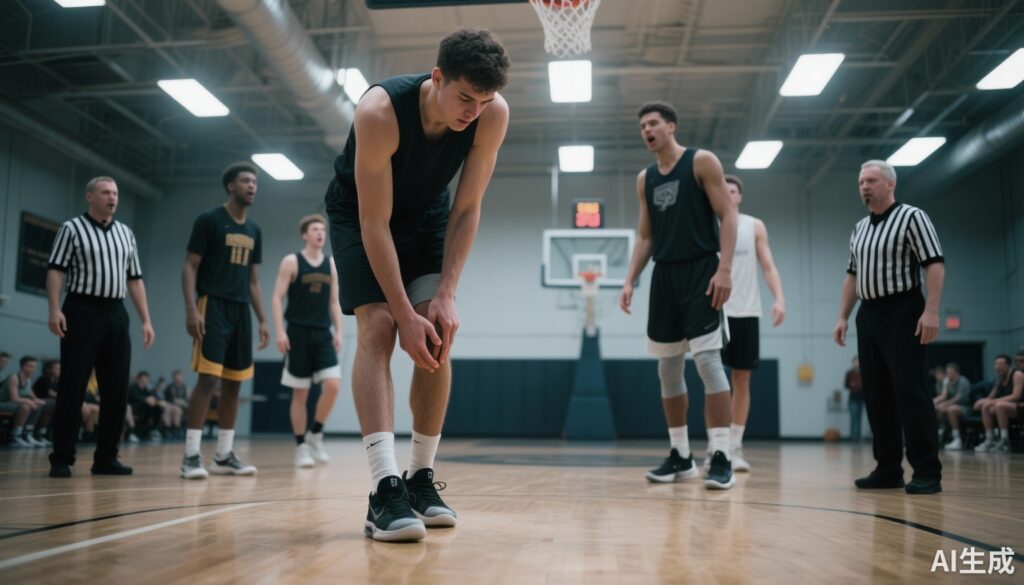
Systematic review and meta-analysis of 22 studies finds player contact and non-contact mechanisms dominate; ankle (25.8%) and knee (15.5%) injuries account for 41% of injuries. Females have higher rates of knee, concussion, and ball-contact injuries; injury rates are higher in games and at collegiate level.
Neuromuscular Training Substantially Improves Athletes’ Balance: A Meta-Analysis with Practical Takeaways

Neuromuscular Training Substantially Improves Athletes’ Balance: A Meta-Analysis with Practical Takeaways

A 2025 meta-analysis of 13 trials found neuromuscular training produced large improvements in athletes' balance (overall SMD 1.47), with benefits for both static and dynamic domains. Results support incorporating targeted neuromuscular programs into conditioning, while highlighting heterogeneity and research gaps.
Urolithin A in Elite Distance Runners: Improves Recovery and Perceived Effort but Not Race Performance in 4-Week Altitude Training

Urolithin A in Elite Distance Runners: Improves Recovery and Perceived Effort but Not Race Performance in 4-Week Altitude Training

A randomized, placebo-controlled trial in highly trained male distance runners found 4 weeks of 1000 mg/day urolithin A reduced markers of muscle damage and perceived exertion and upregulated mitochondrial proteomic pathways, but did not produce statistically significant performance gains in a 3000 m time trial.
Clear, Safe, Sustainable: Expert Consensus on Dietary Strategies to Change Body Mass and Composition in Athletes (Scoping Review Summary)

Clear, Safe, Sustainable: Expert Consensus on Dietary Strategies to Change Body Mass and Composition in Athletes (Scoping Review Summary)

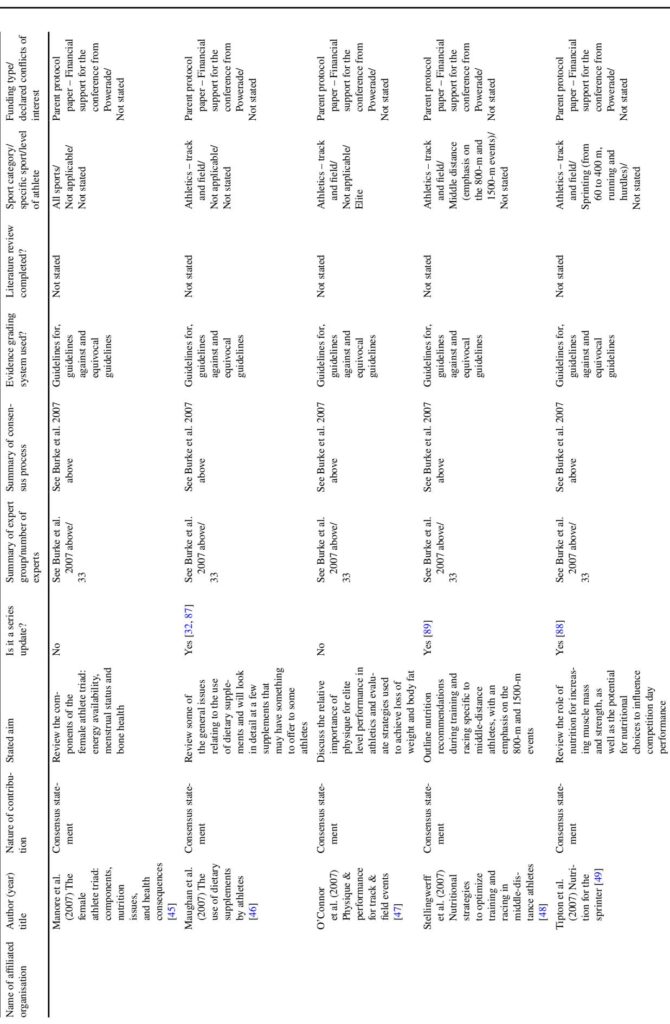
A practical, evidence-focused synthesis of 73 international consensus statements and position stands (Delany et al., 2025). Key takeaways: individualise targets, protect health (EA ≥30 kcal/kg FFM/day), use gradual rates, prioritise protein (≈1.6–2.4 g/kg/day), periodise carbohydrate, and be conservative with supplements.