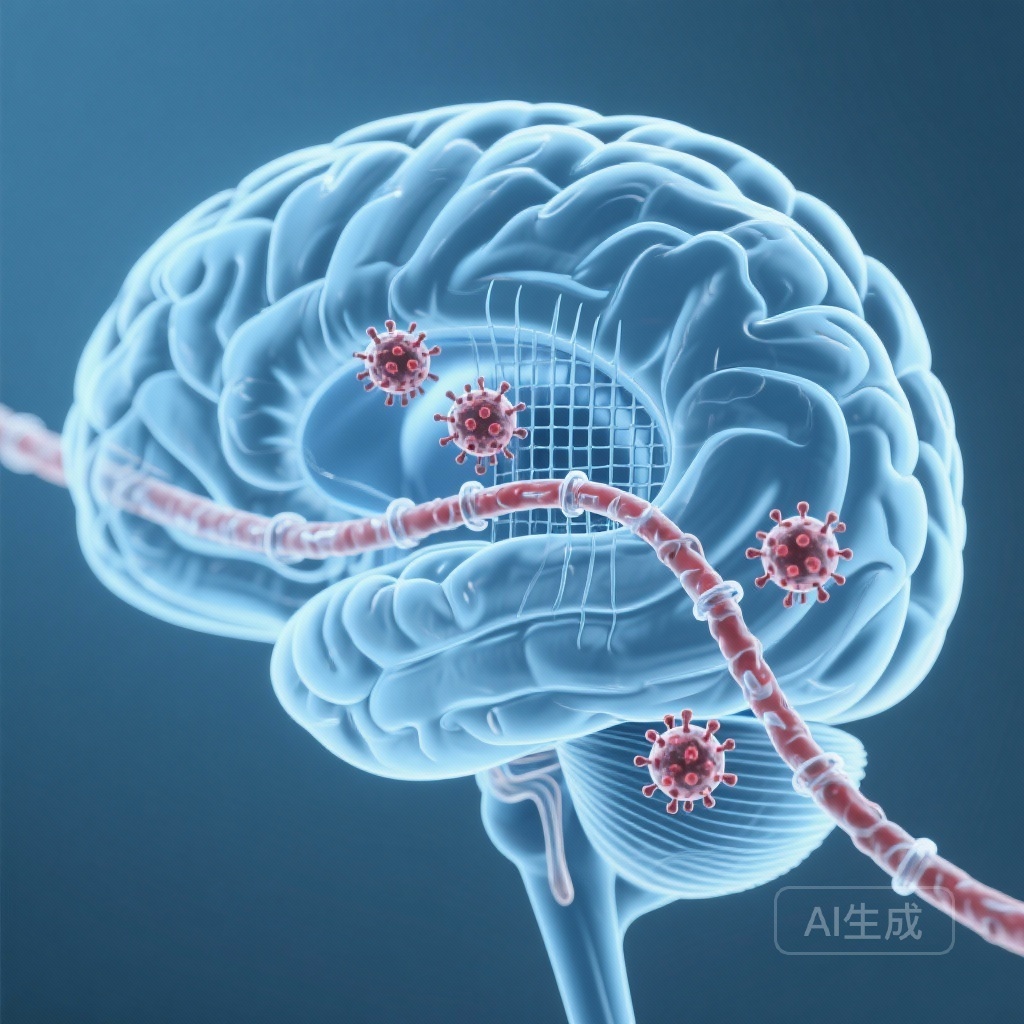
Preexisting Antiviral Immunity and Allogeneic T-Cell Transfer: Redefining the Therapeutic Landscape of Progressive Multifocal Leukoencephalopathy

Preexisting Antiviral Immunity and Allogeneic T-Cell Transfer: Redefining the Therapeutic Landscape of Progressive Multifocal Leukoencephalopathy

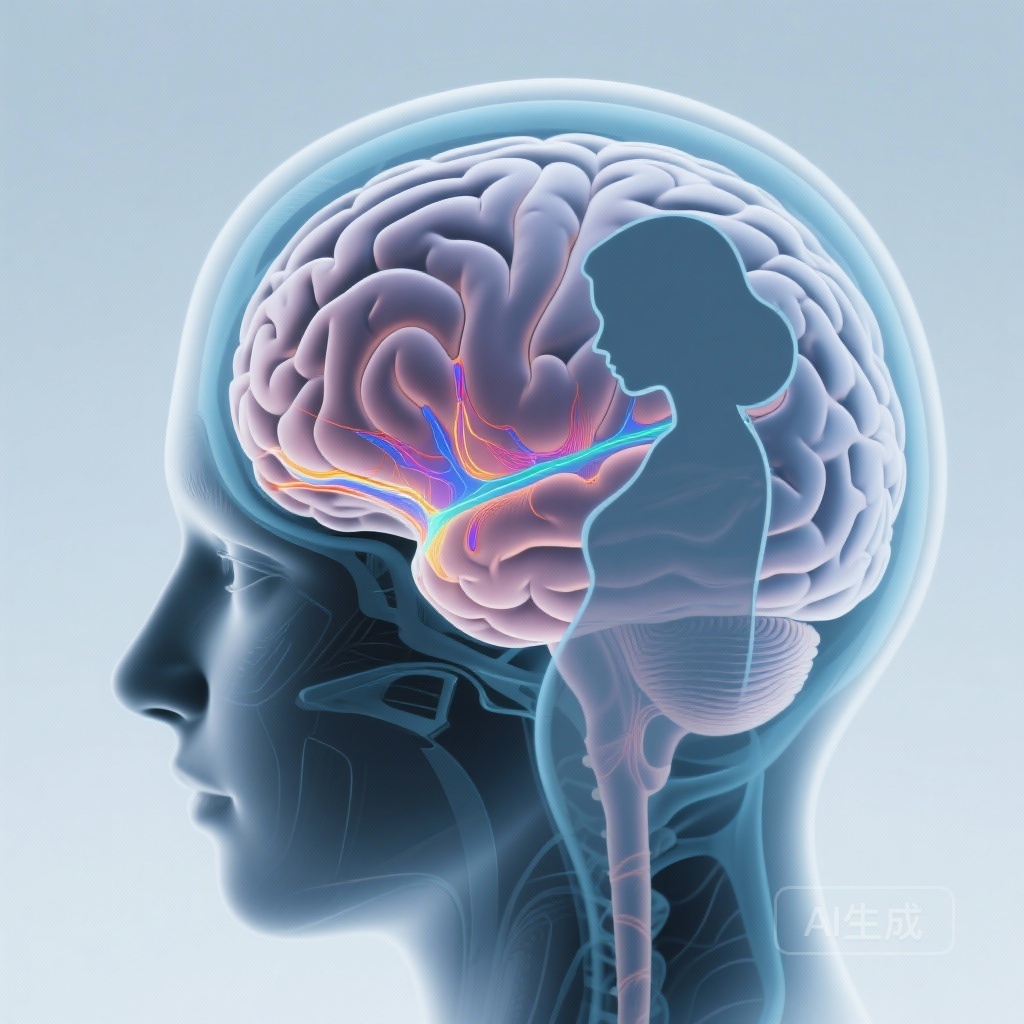
Recent studies highlight the critical role of virus-specific T-cells in treating progressive multifocal leukoencephalopathy. Pre-existing T-cells predict superior responses to checkpoint inhibitors, while allogeneic T-cell transfer offers a promising rescue therapy for patients with profound immunodeficiency, significantly reducing viral loads and improving clinical outcomes.
Closing the Gap: Why Patient Perspectives Predict Survival Better Than Clinician Ratings in Sclerotic cGVHD

Closing the Gap: Why Patient Perspectives Predict Survival Better Than Clinician Ratings in Sclerotic cGVHD

A multicenter study reveals significant discordance between clinician and patient assessments of skin cGVHD. While both correlate with survival, patient-reported outcomes are uniquely predictive of mortality in sclerotic disease, highlighting the need for integrated assessment models in clinical practice.
US Public Supports Licensing International Surgeons but Remains Hesitant to Receive Personal Care Without US Residency Training

US Public Supports Licensing International Surgeons but Remains Hesitant to Receive Personal Care Without US Residency Training

A cross-sectional study reveals that while 85% of Americans support licensing internationally trained surgeons to address workforce shortages, nearly 80% are reluctant to personally undergo surgery by them, highlighting a significant gap between public policy support and individual patient trust.
Deciphering Prenatal Risks: Why Maternal Health, Not Medication, Often Drives Neurodevelopmental Outcomes

Deciphering Prenatal Risks: Why Maternal Health, Not Medication, Often Drives Neurodevelopmental Outcomes

Recent large-scale cohort studies suggest that previously observed links between prenatal exposure to acid-suppressants or antipsychotics and neurodevelopmental disorders are largely due to familial confounding. Conversely, active maternal eating disorders remain a significant risk factor, highlighting the critical role of maternal health optimization.