Immune-related adverse events strongly predict early graft rejection after liver transplant in HCC patients treated with checkpoint inhibitors

Immune-related adverse events strongly predict early graft rejection after liver transplant in HCC patients treated with checkpoint inhibitors

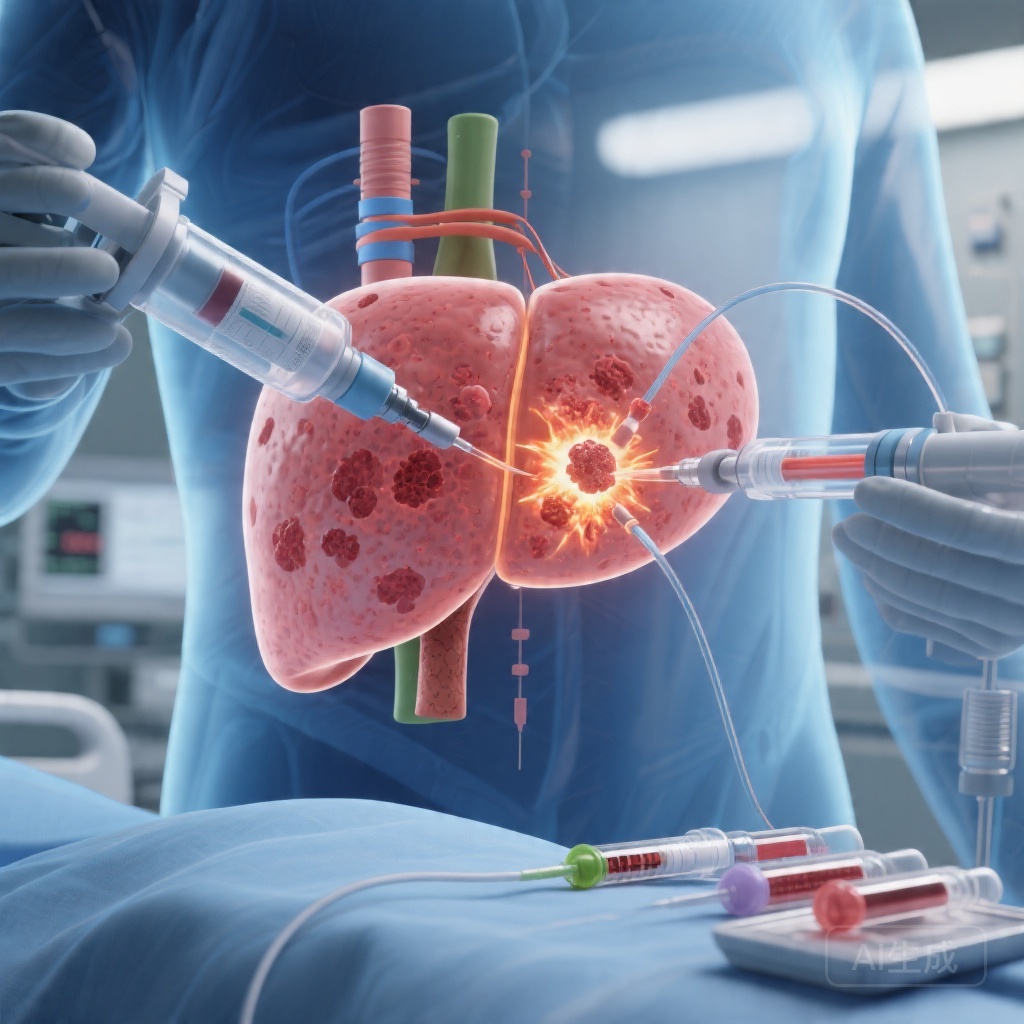
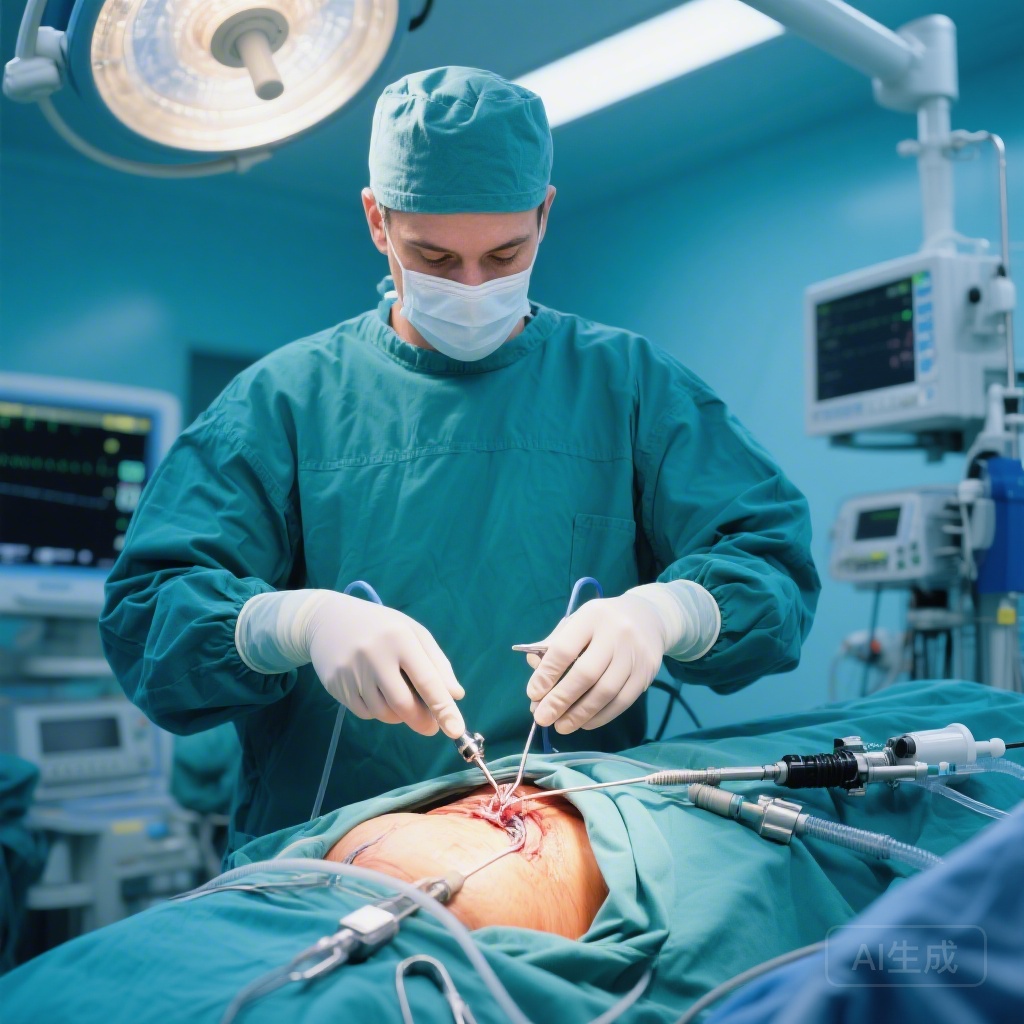
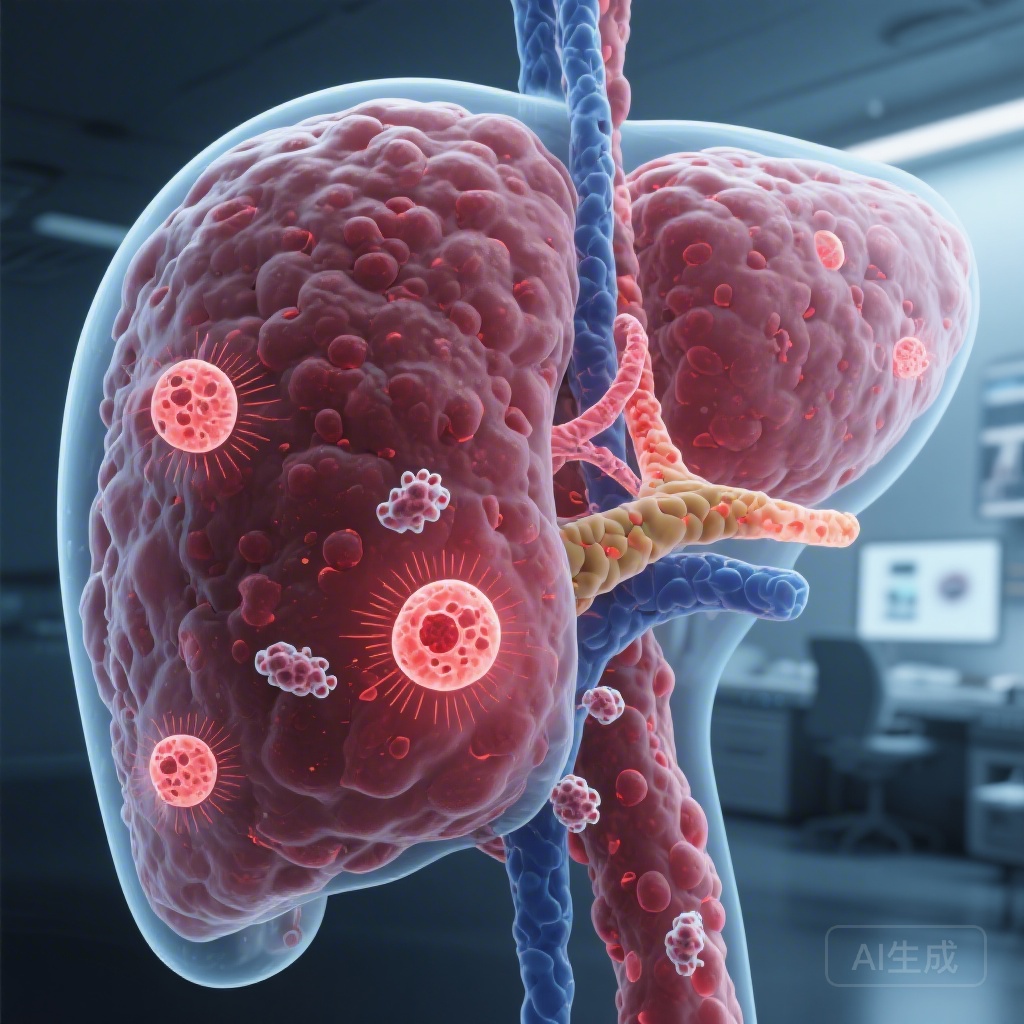
A multicentre retrospective cohort found that pretransplant immune-related adverse events (irAEs) markedly increase the risk of early liver allograft rejection after liver transplantation for hepatocellular carcinoma (HCC). IrAEs, short ICI washout, and younger recipient age were independent predictors.
Combining α and β Radiopharmaceuticals in mCRPC: Interim AlphaBet Results Show Feasible Safety and Promising PSA Activity for 177Lu‑PSMA‑I&T plus 223Ra

Combining α and β Radiopharmaceuticals in mCRPC: Interim AlphaBet Results Show Feasible Safety and Promising PSA Activity for 177Lu‑PSMA‑I&T plus 223Ra

Interim data from the AlphaBet phase 1/2 trial show that combined 177Lu‑PSMA‑I&T and radium‑223 is feasible, with no dose‑limiting toxicities, a recommended radium‑223 dose of 55.0 kBq/kg, and a PSA50 rate of 55% (95% CI 36–72). Hematologic grade ≥3 adverse events were uncommon.
Vorasidenib Slows Tumour Growth and Reduces Seizures in IDH‑Mutant Grade 2 Glioma — Robust PFS and Preserved Cognition in the INDIGO Phase 3 Trial

Vorasidenib Slows Tumour Growth and Reduces Seizures in IDH‑Mutant Grade 2 Glioma — Robust PFS and Preserved Cognition in the INDIGO Phase 3 Trial

In the INDIGO phase 3 trial, vorasidenib markedly prolonged progression‑free survival and time to next intervention, reduced volumetric tumour growth and seizure burden, and preserved quality of life and neurocognitive function in patients with grade 2 IDH1/2‑mutant diffuse glioma after surgery.