Home-Based Gamma tACS Improves Cognitive Function and Daily Living in Alzheimer Disease: Results from a Randomized Clinical Trial

Home-Based Gamma tACS Improves Cognitive Function and Daily Living in Alzheimer Disease: Results from a Randomized Clinical Trial

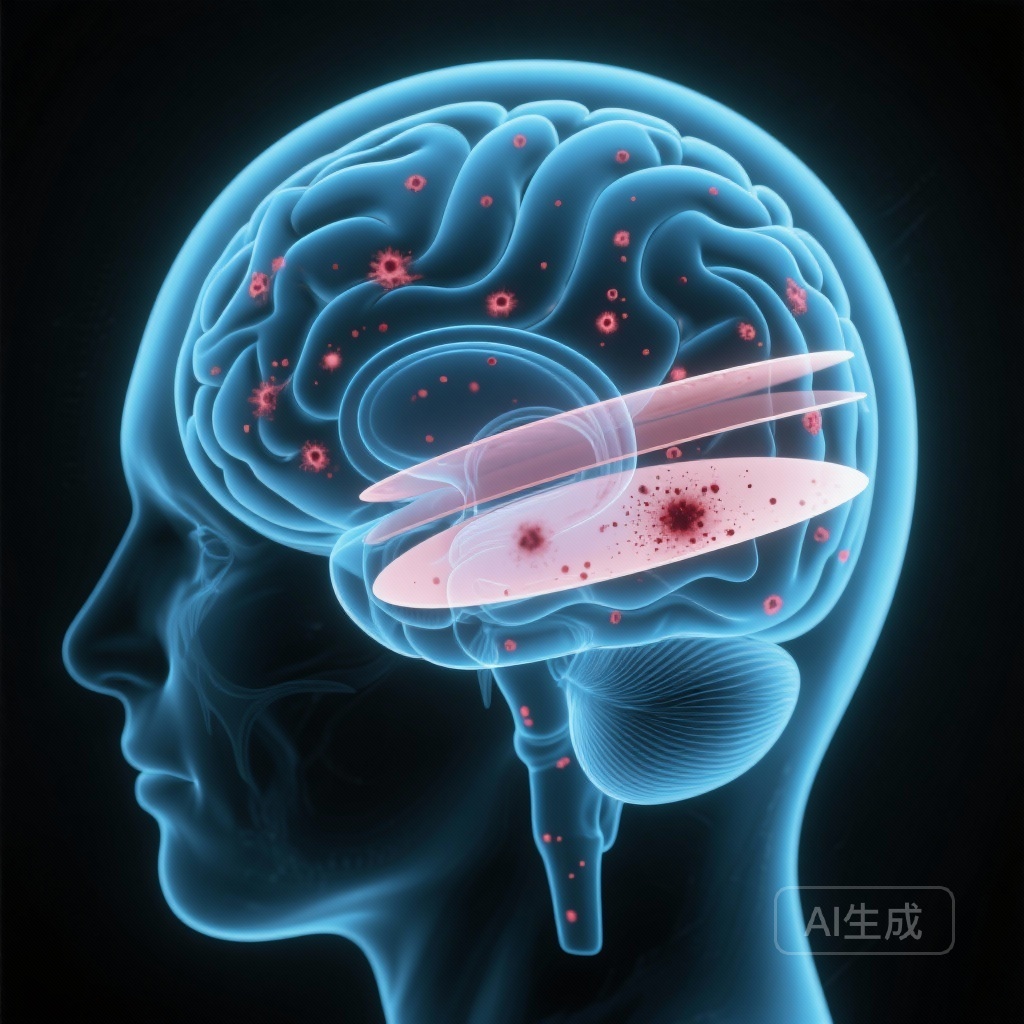
A randomized clinical trial demonstrates that home-based gamma transcranial alternating current stimulation (tACS) over the precuneus safely improves cognitive outcomes and activities of daily living in patients with prodromal and mild Alzheimer disease, supported by neurophysiological evidence of brain engagement.

Rising Hospital Mortality and Escalating Rates of Life-Sustaining Therapy Withdrawal in Critically Ill TBI Patients: A 15-Year Analysis

A 15-year observational study of over 45,000 TBI patients reveals a significant increase in hospital mortality and a tripling of life-sustaining therapy withdrawal, alongside rising rates of hypoxaemia, raising urgent questions about ethical frameworks and neurocritical care management.
The SEIZURE Score Faces Global Challenges: International Validation Highlights Geographic Disparities in Predicting Encephalitis Seizures

The SEIZURE Score Faces Global Challenges: International Validation Highlights Geographic Disparities in Predicting Encephalitis Seizures

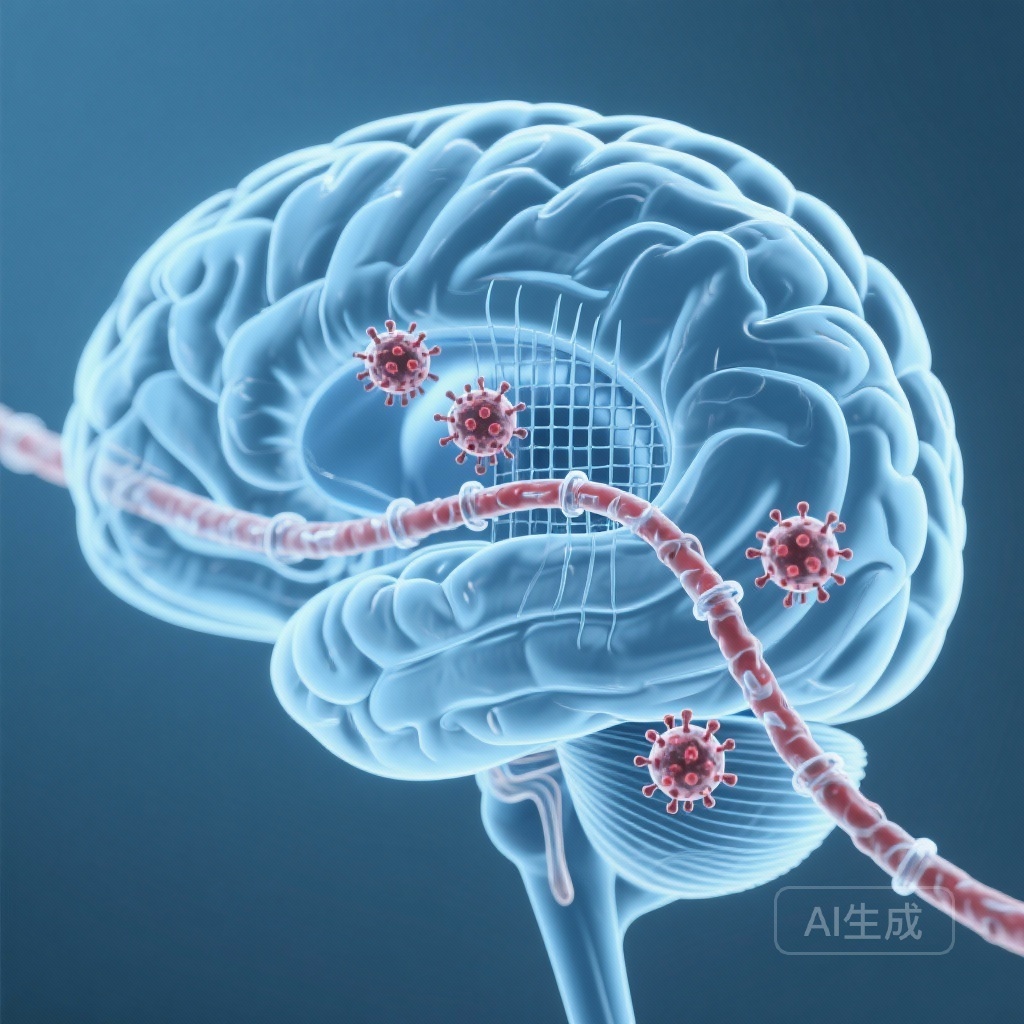
An international evaluation of the SEIZURE score reveals limited global predictive power for acute seizures in encephalitis. While the tool performs well in Western Europe, particularly Portugal, its utility elsewhere is hampered by etiological diversity and diagnostic limitations.
High-Dose Oral Rifampin Did Not Improve Survival in Tuberculous Meningitis—HARVEST Trial Shows No Benefit and Possible Harm

High-Dose Oral Rifampin Did Not Improve Survival in Tuberculous Meningitis—HARVEST Trial Shows No Benefit and Possible Harm

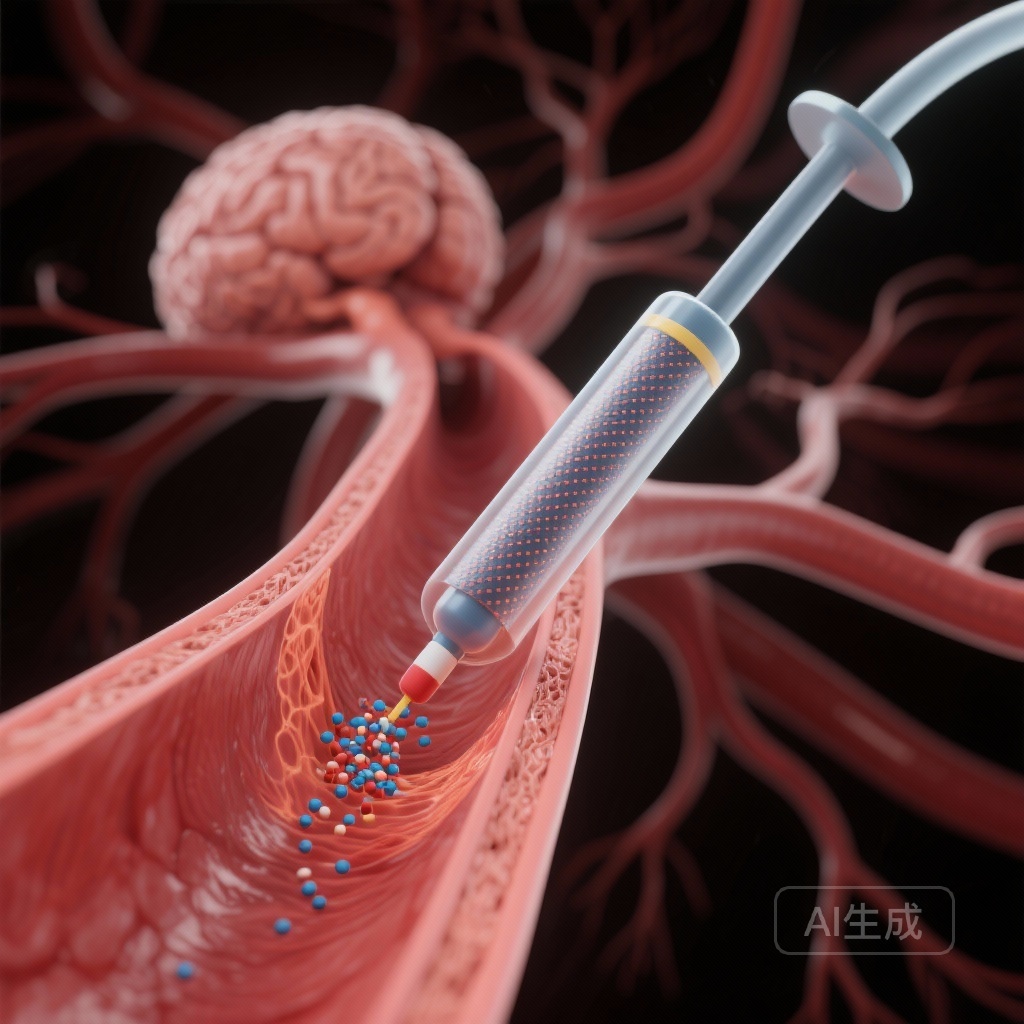
A multinational randomized trial found that adding high‑dose oral rifampin (total 35 mg/kg for 8 weeks) to standard therapy did not reduce 6‑month mortality in adults with tuberculous meningitis and was associated with more drug‑induced liver injury and earlier deaths in some patients.
Acupuncture for Cancer-Related Insomnia: Limited, Low-Certainty Benefits Compared with Sham or No Treatment; Inferior to CBT‑I

Acupuncture for Cancer-Related Insomnia: Limited, Low-Certainty Benefits Compared with Sham or No Treatment; Inferior to CBT‑I

A 2025 Cochrane review (5 RCTs, 402 patients, mainly women with breast cancer) finds very low- to moderate-certainty evidence that acupuncture delivers small, uncertain sleep diary benefits versus sham or inactive controls and is probably less effective than CBT‑I for insomnia in people with cancer.