Prolonged Survival Transforms Leptomeningeal Metastasis in NSCLC: Contemporary Multicenter Cohort Shows TKIs and ICIs Improve Outcomes

Prolonged Survival Transforms Leptomeningeal Metastasis in NSCLC: Contemporary Multicenter Cohort Shows TKIs and ICIs Improve Outcomes

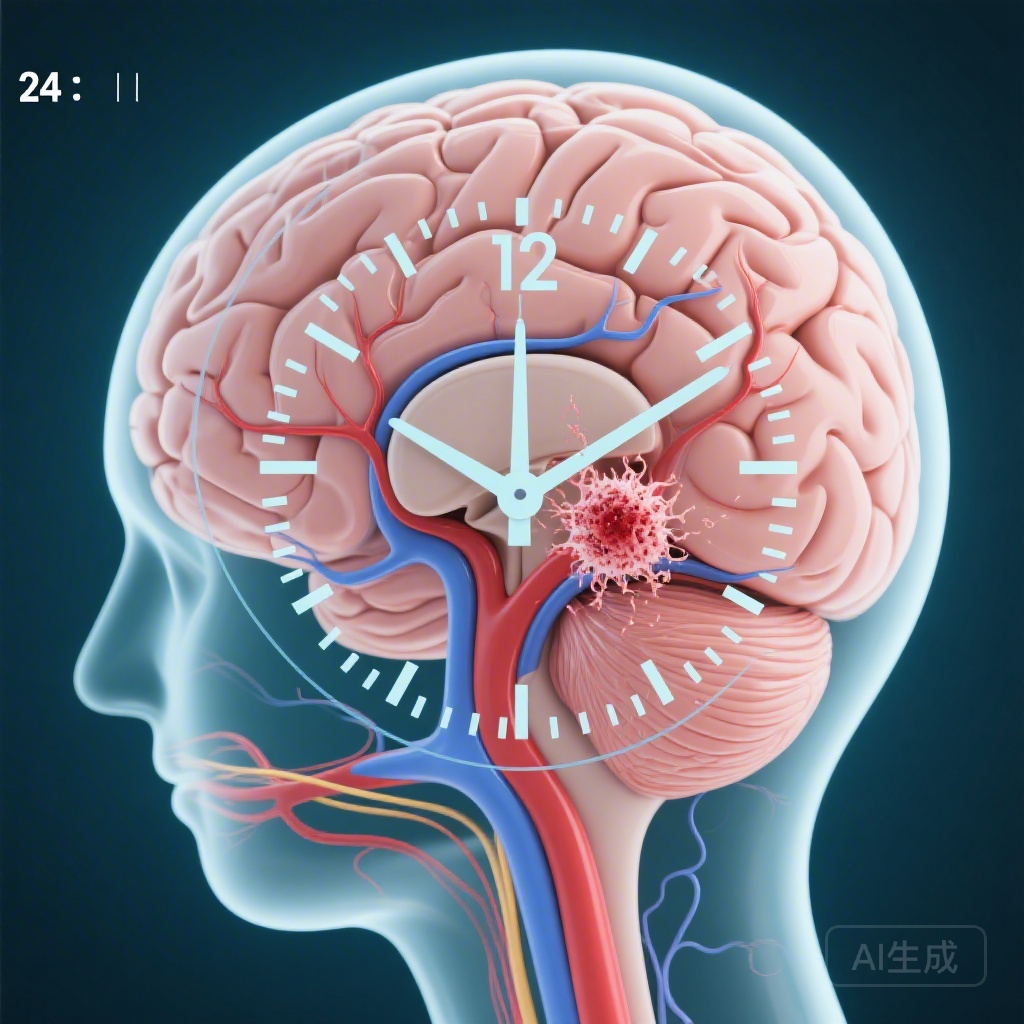
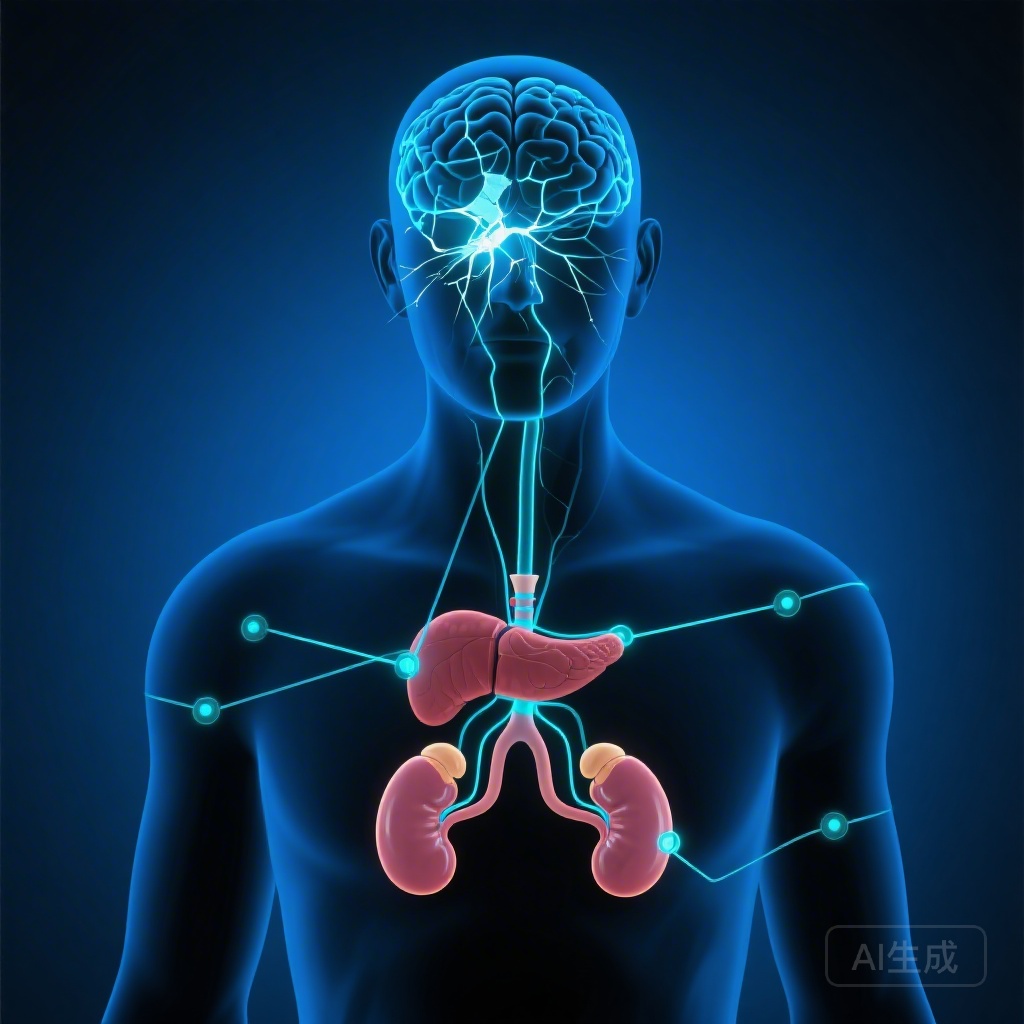
An international cohort of 2,052 NSCLC patients with leptomeningeal disease shows rising prevalence and improved survival in the modern treatment era. CNS‑penetrant tyrosine kinase inhibitors and immune checkpoint inhibitors are key drivers of delayed onset and longer leptomeningeal survival.
Does Anticoagulation After Successful AF Ablation Matter? The OCEAN Trial Shows No Clear Advantage of Rivaroxaban over Aspirin

Does Anticoagulation After Successful AF Ablation Matter? The OCEAN Trial Shows No Clear Advantage of Rivaroxaban over Aspirin

In patients who underwent successful catheter ablation for atrial fibrillation at least one year earlier, rivaroxaban did not significantly reduce the composite of clinical or covert embolic stroke compared with aspirin over 3 years, while numerically more major bleeding occurred with rivaroxaban.
Two-Year 40 Hz Audiovisual Stimulation in Mild Alzheimer’s: Safety, EEG Entrainment, and Early Biomarker Signals

Two-Year 40 Hz Audiovisual Stimulation in Mild Alzheimer’s: Safety, EEG Entrainment, and Early Biomarker Signals

An open-label two-year extension in five patients with mild Alzheimer's disease found daily 1‑hour 40 Hz audiovisual stimulation to be safe, produced sustained EEG gamma entrainment in late‑onset cases, and was associated with smaller cognitive decline and reductions in plasma pTau217 in two participants, warranting controlled trials.
Pregabalin Restores Sleep and Circadian Rhythms in Neuropathic Pain—Unlike Morphine: Translational Insights from a Mouse SNI Model

Pregabalin Restores Sleep and Circadian Rhythms in Neuropathic Pain—Unlike Morphine: Translational Insights from a Mouse SNI Model

In a mouse spared nerve injury model, pregabalin—but not morphine—restored REM sleep, normalized locomotor and temperature circadian rhythms, and reversed spinal circadian gene changes. Findings suggest analgesic choice can differentially affect sleep and circadian biology in neuropathic pain.
APOE ε4, Age and Sex Converge to Disturb Anterior Olfactory Nucleus Physiology: Electrophysiologic Evidence for Early Alzheimer’s Vulnerability

APOE ε4, Age and Sex Converge to Disturb Anterior Olfactory Nucleus Physiology: Electrophysiologic Evidence for Early Alzheimer’s Vulnerability

In vivo awake recordings in transgenic mice show APOE ε4 reduces neuronal excitability in the anterior olfactory nucleus (AON); adult females are more excitable than males (a sex difference lost with aging), while aging amplifies network oscillatory power — revealing interactions that may underlie early olfactory deficits in Alzheimer’s disease.
Diabetes and Dementia Biomarkers: Less Alzheimer’s Pathology but More Non‑AD Neurodegeneration in Cognitively Normal Adults

Diabetes and Dementia Biomarkers: Less Alzheimer’s Pathology but More Non‑AD Neurodegeneration in Cognitively Normal Adults

A pan‑European analysis (n=5,550) found diabetes was associated with lower odds of amyloid and p‑tau pathology in cognitively impaired patients, but with markers of neurodegeneration (total tau, medial temporal atrophy) in cognitively normal individuals without amyloid — suggesting non‑AD pathways link diabetes to cognitive decline.