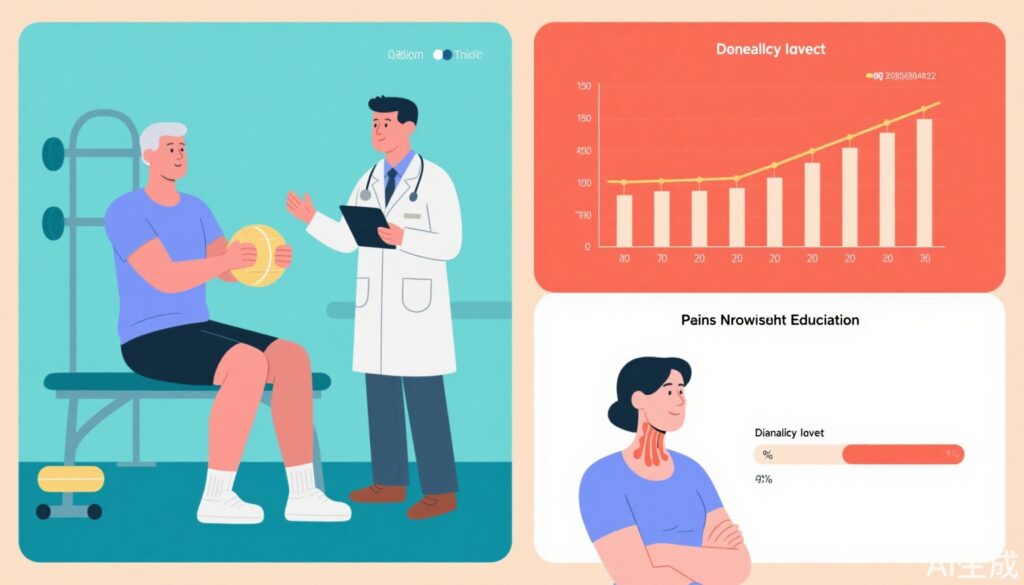
A Canadian multisite trial demonstrated that the Walk 'n Watch structured exercise protocol significantly improves walking endurance in subacute stroke patients during inpatient rehabilitation without increasing serious adverse events.
Neuropsychiatric symptoms such as decreased motivation and emotional dysregulation significantly impair daily functioning in older adults without cognitive impairment, highlighting the need for early identification and intervention.
Recent data reveal that transfeminine adults experience significantly higher prevalence of Alzheimer's disease and related dementias compared to matched cisgender peers, independent of gender-affirming hormone therapy, highlighting urgent needs for targeted research and care strategies.
A landmark UK Biobank study demonstrates that elevated lipoprotein(a) independently predicts both the onset and progression of peripheral artery disease and carotid stenosis, beyond traditional cardiovascular risk factors.
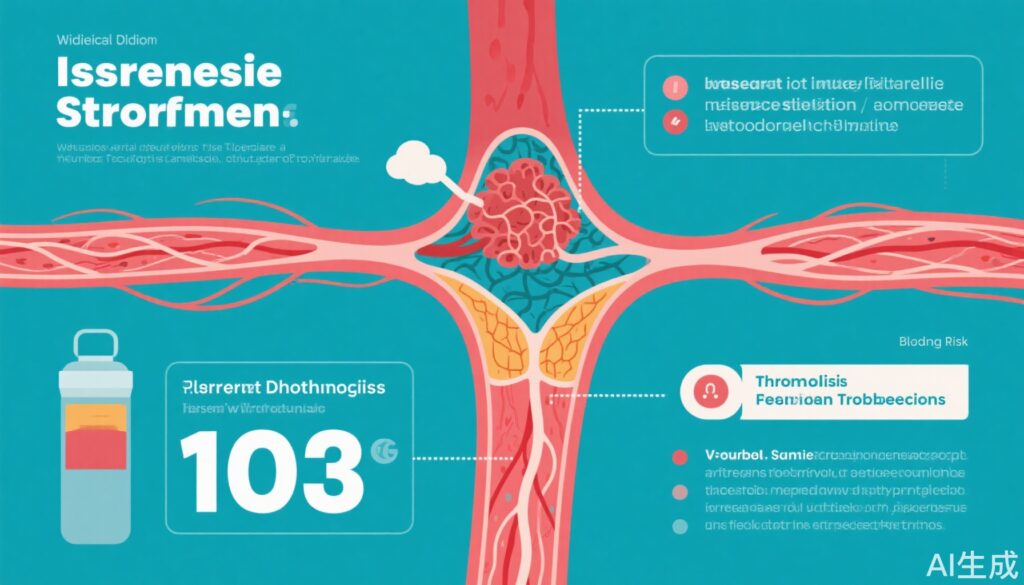
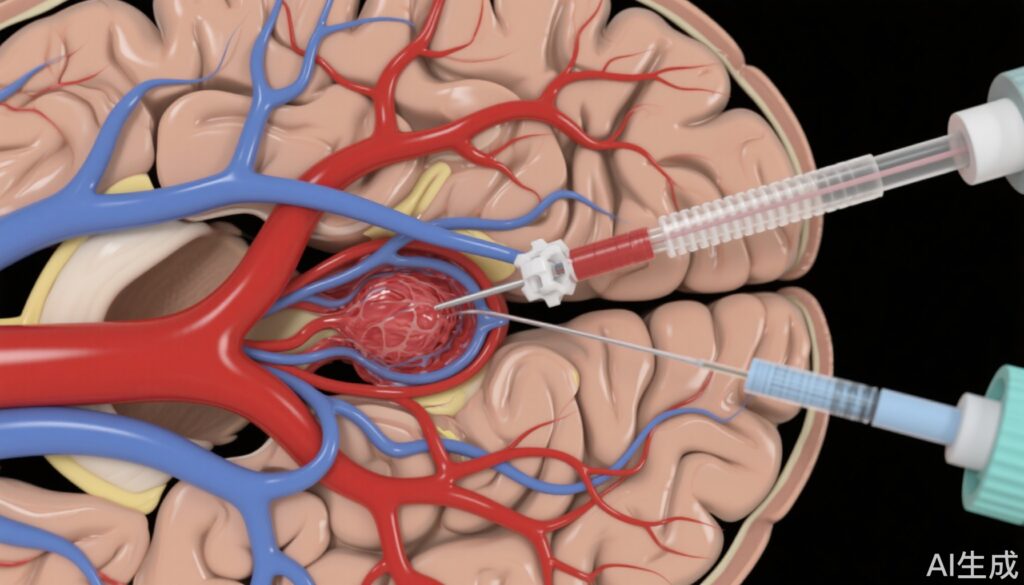
Three major Chinese trials examine intravenous and intra-arterial tenecteplase as adjuncts to thrombectomy in acute large-vessel occlusion stroke, revealing functional benefit with intravenous use before thrombectomy but not after reperfusion.
A study from the Framingham Heart Study cohort reveals that traumatic brain injury (TBI) is linked to significant brain volume loss in older women but not men, highlighting sex-specific vulnerability to neurodegeneration post-TBI.
The ANGEL-TNK trial found that intra-arterial tenecteplase after successful endovascular thrombectomy improved excellent neurological outcomes at 90 days without increasing bleeding or mortality, but secondary outcomes showed no significant benefit.
Recent studies confirm that both childhood and adult lead exposure, especially from gasoline and industrial sources, are associated with increased risk for cognitive decline and dementia in later life.
Regular walking and lifestyle interventions slow cognitive decline, especially in APOE ε4 carriers at heightened Alzheimer’s risk, with effects pronounced in women. Evidence underscores the value of simple activity and healthy diet for at-risk older adults.
A large US trial shows that intensive, structured lifestyle programs yield greater cognitive improvement in at-risk older adults compared to self-guided approaches, though both are beneficial.
Community-based data suggest lecanemab is safe and effective for early-stage Alzheimer’s, with manageable ARIA rates and infusion reactions, particularly in ApoE4 noncarriers.
A large phase 3 trial reveals that structured, multidomain lifestyle interventions significantly improve cognition in older adults at risk for cognitive decline, outperforming self-guided strategies.
New Alzheimer’s Association guidelines endorse blood-based biomarkers as diagnostic adjuncts, not standalone tests, emphasizing rigorous clinical evaluation and high test accuracy.
A recent survey found 39% of elective sports surgery patients used CBD for pain or sleep, with one-third reporting benefit—underscoring the need for more evidence and opioid alternatives.
New research highlights oxytocin's potential in reducing mood disturbances caused by sleep disruptions during hormonal transitions like postpartum and menopause.
The MIND diet combines principles of the Mediterranean and DASH diets to support brain health, slow biological aging, and potentially reduce dementia risk.