Aducanumab Removes Superficial Cortical Amyloid but Associates with Local Vascular Injury and ARIA: Clinicopathological Evidence from a Retrospective Case–Control Study

Aducanumab Removes Superficial Cortical Amyloid but Associates with Local Vascular Injury and ARIA: Clinicopathological Evidence from a Retrospective Case–Control Study

Autopsy of aducanumab-treated Alzheimer’s cases shows preferential clearance of superficial layer I amyloid, PET Centiloid reductions, and ARIA-associated microvascular pathology, implicating perivascular amyloid removal and vessel injury as mechanisms that inform monitoring and therapy design.
Targeted Vaccination Is Most Efficient but Not Cost‑Effective: National Serosurvey and Modelling of Japanese Encephalitis in Bangladesh

Targeted Vaccination Is Most Efficient but Not Cost‑Effective: National Serosurvey and Modelling of Japanese Encephalitis in Bangladesh

A nationally representative serosurvey and transmission modelling study in Bangladesh estimates low population-level JEV exposure but large numbers of infections annually; spatially targeted vaccination would be most efficient, though not cost-effective under conventional thresholds.
Efficacy and Implementation of a Digital Cognitive Behavioural Self-Management Programme (IBD-BOOST) for Fatigue, Pain, and Faecal Incontinence in Inflammatory Bowel Disease: A Comprehensive Review

Efficacy and Implementation of a Digital Cognitive Behavioural Self-Management Programme (IBD-BOOST) for Fatigue, Pain, and Faecal Incontinence in Inflammatory Bowel Disease: A Comprehensive Review

This review evaluates the IBD-BOOST digital cognitive behavioural self-management intervention's design, trial outcomes, process evaluation, and clinical implications for managing fatigue, pain, and faecal incontinence in IBD.
CREST‑2: Stenting Reduces 4‑Year Ipsilateral Stroke vs Intensive Medical Therapy in Asymptomatic High‑Grade Carotid Stenosis; Endarterectomy Shows No Significant Benefit

CREST‑2: Stenting Reduces 4‑Year Ipsilateral Stroke vs Intensive Medical Therapy in Asymptomatic High‑Grade Carotid Stenosis; Endarterectomy Shows No Significant Benefit

In CREST‑2, patients with ≥70% asymptomatic carotid stenosis randomized to carotid‑artery stenting plus intensive medical therapy had fewer perioperative-or-ipsilateral strokes over 4 years than intensive medical therapy alone; carotid endarterectomy did not show a statistically significant advantage.
Remote Cognitive Training, Structured Rehabilitation and tDCS Failed to Improve Self‑Reported Cognitive Symptoms in Long COVID: Results from a 5‑Arm Phase 2 Randomized Trial

Remote Cognitive Training, Structured Rehabilitation and tDCS Failed to Improve Self‑Reported Cognitive Symptoms in Long COVID: Results from a 5‑Arm Phase 2 Randomized Trial

A multicenter phase 2 randomized trial found no differential benefit of adaptive computerized cognitive training, structured cognitive rehabilitation, or transcranial direct current stimulation (tDCS) versus active comparators for self‑reported cognitive symptoms in long COVID.
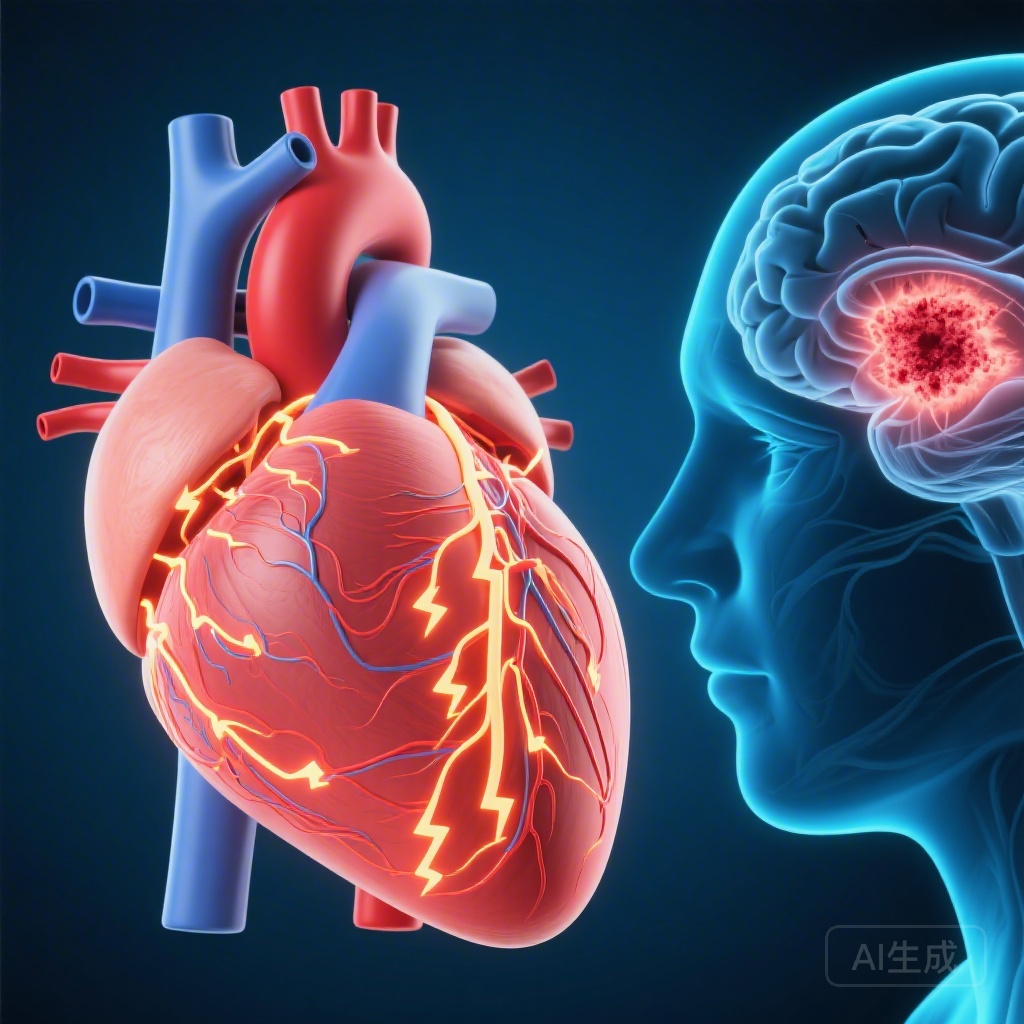
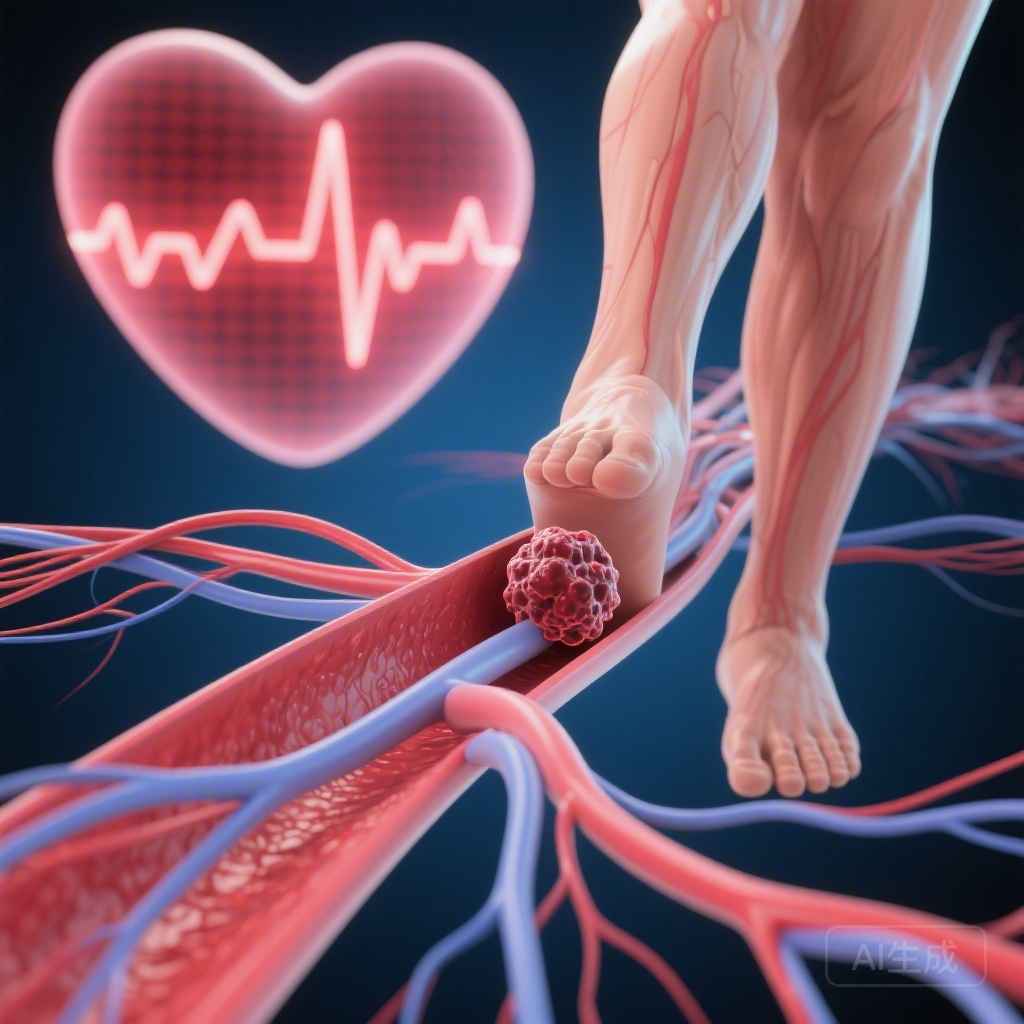
Myocardial Infarction and Late-Onset Epilepsy: Unraveling Bidirectional Vascular Risks in Aging Populations

Myocardial Infarction and Late-Onset Epilepsy: Unraveling Bidirectional Vascular Risks in Aging Populations

Emerging cohort evidence reveals myocardial infarction significantly elevates late-onset epilepsy risk, with late-onset epilepsy also predicting subsequent myocardial infarction and vascular mortality, underscoring shared systemic vascular pathology and implications for integrated vascular risk management.
High‑Intensity Interval Training Fails to Rescue Hippocampal Integrity in Adults With Cannabis Use Disorder — but Exercise Is Feasible and May Reduce Craving

High‑Intensity Interval Training Fails to Rescue Hippocampal Integrity in Adults With Cannabis Use Disorder — but Exercise Is Feasible and May Reduce Craving

A randomized trial in adults with moderate–severe cannabis use disorder found 12 weeks of supervised HIIT did not improve a composite MRI measure of hippocampal integrity versus strength/resistance training; exercise participation was feasible and may reduce cannabis craving.