Olezarsen Significantly Lowers Triglycerides and Cuts Pancreatitis Risk in Severe Hypertriglyceridemia: CORE‑TIMI 72a/CORE2‑TIMI 72b Results

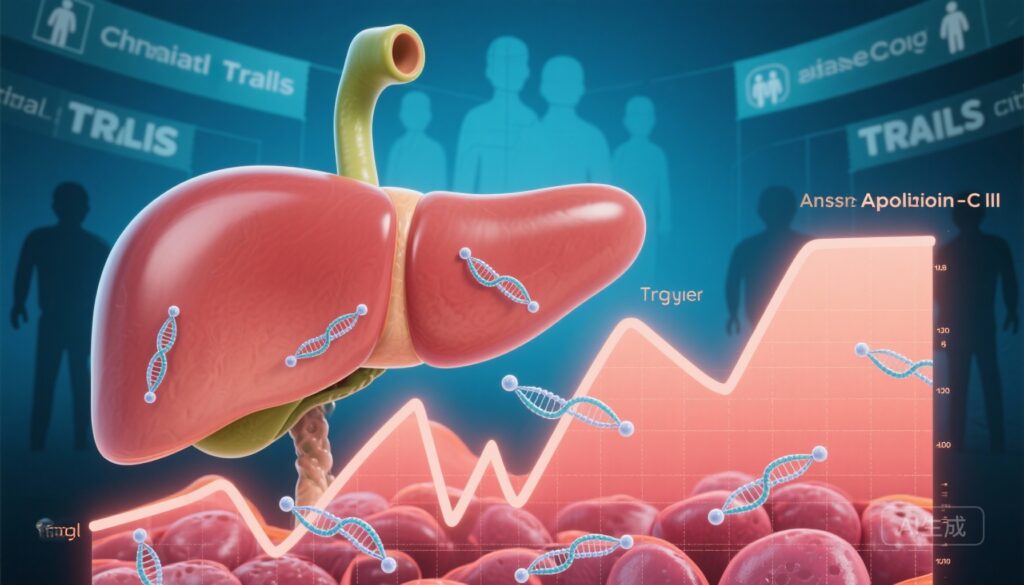
Olezarsen Significantly Lowers Triglycerides and Cuts Pancreatitis Risk in Severe Hypertriglyceridemia: CORE‑TIMI 72a/CORE2‑TIMI 72b Results

Two randomized trials found monthly olezarsen (50 mg and 80 mg) produced large, dose-dependent triglyceride reductions and a marked decrease in acute pancreatitis compared with placebo in patients with severe hypertriglyceridemia; higher doses were linked to liver enzyme elevations, thrombocytopenia, and increased hepatic fat.
Does Anticoagulation After Successful AF Ablation Matter? The OCEAN Trial Shows No Clear Advantage of Rivaroxaban over Aspirin

Does Anticoagulation After Successful AF Ablation Matter? The OCEAN Trial Shows No Clear Advantage of Rivaroxaban over Aspirin

In patients who underwent successful catheter ablation for atrial fibrillation at least one year earlier, rivaroxaban did not significantly reduce the composite of clinical or covert embolic stroke compared with aspirin over 3 years, while numerically more major bleeding occurred with rivaroxaban.
First-in-Human CRISPR-Cas9 Editing of ANGPTL3 Shows Dose‑Dependent Protein Knockdown with Acceptable Short‑Term Safety in Phase 1 Trial

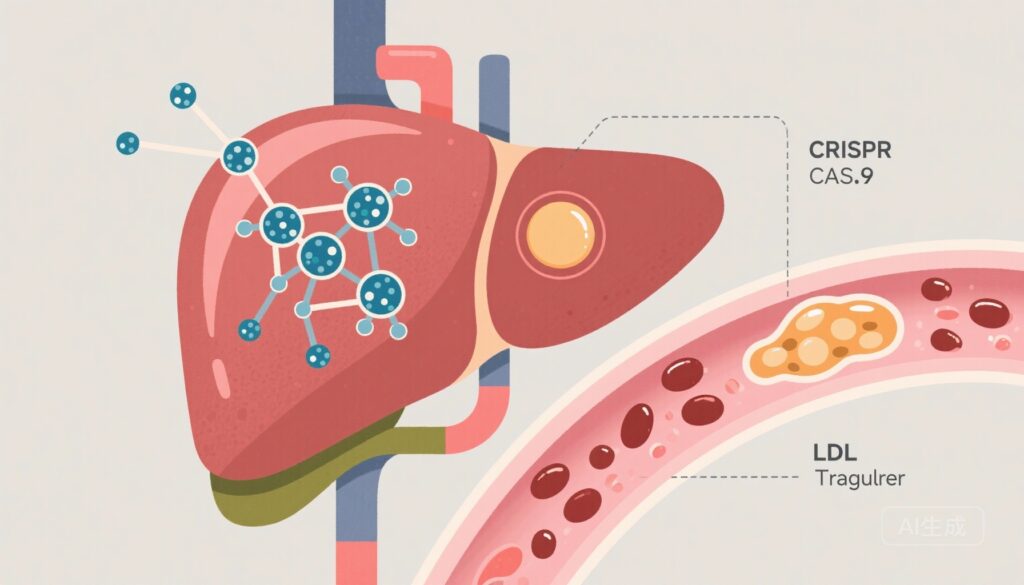
First-in-Human CRISPR-Cas9 Editing of ANGPTL3 Shows Dose‑Dependent Protein Knockdown with Acceptable Short‑Term Safety in Phase 1 Trial

A phase 1, ascending‑dose study of CTX310 (LNP-delivered CRISPR-Cas9 targeting ANGPTL3) in 15 patients produced dose-dependent ANGPTL3 reductions at ≥0.6 mg/kg with few acute safety signals; longer follow‑up and larger trials are required to define efficacy, durability, and long-term risks.
No Routine Benefit from Beta‑Blockers After Myocardial Infarction with Preserved Ejection Fraction: Individual‑Patient Meta‑analysis of Five Randomized Trials

No Routine Benefit from Beta‑Blockers After Myocardial Infarction with Preserved Ejection Fraction: Individual‑Patient Meta‑analysis of Five Randomized Trials

An individual‑patient meta‑analysis of five randomized trials (n=17,801) found that beta‑blocker therapy did not reduce death, recurrent MI, or heart failure in patients with recent myocardial infarction and LVEF ≥50% without other indications for beta blockade.
GLP‑1 Receptor Agonists Provide Greatest MACE Reduction in Type 2 Diabetes — Evidence from a Large US Comparative-Effectiveness Study

GLP‑1 Receptor Agonists Provide Greatest MACE Reduction in Type 2 Diabetes — Evidence from a Large US Comparative-Effectiveness Study

In a 241,981-patient emulated trial using modern causal methods, sustained GLP‑1RA use yielded the lowest 2.5‑year MACE risk, followed by SGLT2is, sulfonylureas, and DPP4is; the GLP‑1RA advantage over SGLT2is was greatest in older adults and those with ASCVD, HF, or kidney impairment.
Baseline SGLT2 Inhibitor Use Associated with Lower Risk of Sepsis-Induced Cardiomyopathy and Improved Outcomes in Type 2 Diabetes: Insights from a Large Propensity-Matched Cohort

Baseline SGLT2 Inhibitor Use Associated with Lower Risk of Sepsis-Induced Cardiomyopathy and Improved Outcomes in Type 2 Diabetes: Insights from a Large Propensity-Matched Cohort

A large propensity-matched cohort study found that baseline SGLT2 inhibitor use versus DPP4 inhibitor therapy in adults with type 2 diabetes and infection was associated with lower 30-day sepsis-induced cardiomyopathy and improved 1-year mortality and cardiovascular outcomes; residual confounding and safety considerations warrant prospective trials.
Pathogen-Reduced Red Blood Cells Are Safe in Cardiac Surgery: ReCePI Phase 3 Shows Noninferior AKI Rates

Pathogen-Reduced Red Blood Cells Are Safe in Cardiac Surgery: ReCePI Phase 3 Shows Noninferior AKI Rates

The ReCePI randomized phase 3 trial found that amustaline/glutathione pathogen-reduced red blood cells produced similar rates of acute kidney injury compared with conventional transfusion after cardiac or thoracic-aorta surgery, with few treatment-emergent antibodies and no clinically significant hemolysis.
Lower-Intensity Anticoagulation During Venovenous ECMO: A Pilot RCT Shows Feasibility and a Signal Toward Less Bleeding

Lower-Intensity Anticoagulation During Venovenous ECMO: A Pilot RCT Shows Feasibility and a Signal Toward Less Bleeding

A 3-center randomized pilot trial found that randomized allocation to low- versus moderate-intensity anticoagulation during venovenous ECMO is feasible, with lower major bleeding rates in the low-intensity arm and no clear excess of thromboembolic events—but the study was underpowered for definitive safety or efficacy conclusions.
Mitochondrial Calcium Deficit Links Structural Remodeling to Atrial Fibrillation — and an Old Cholesterol Drug, Ezetimibe, Shows Unexpected Anti‑AF Potential

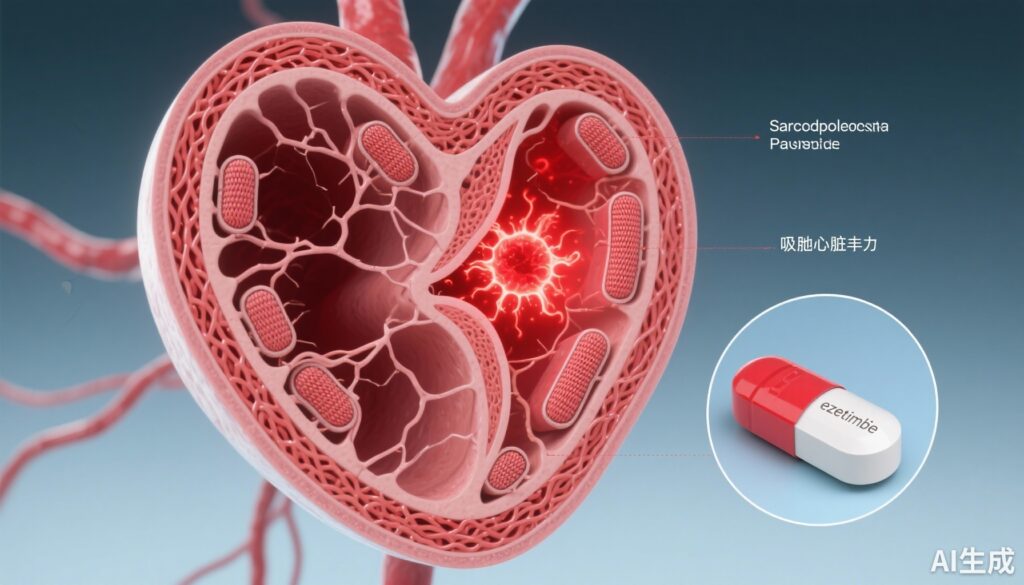
Mitochondrial Calcium Deficit Links Structural Remodeling to Atrial Fibrillation — and an Old Cholesterol Drug, Ezetimibe, Shows Unexpected Anti‑AF Potential

New human tissue and cellular data implicate impaired mitochondrial Ca2+ uptake, structural uncoupling of sarcoplasmic reticulum–mitochondria contacts, and oxidative stress in atrial fibrillation (AF); ezetimibe restored mitochondrial Ca2+ handling and reduced AF burden in exploratory analyses.