Low‑Dose Interleukin‑2 Expands Regulatory T Cells and Modulates Biomarkers in Mild–Moderate Alzheimer’s Disease: Phase 2a Randomized Trial Shows Safety and Promising Signals

Low‑Dose Interleukin‑2 Expands Regulatory T Cells and Modulates Biomarkers in Mild–Moderate Alzheimer’s Disease: Phase 2a Randomized Trial Shows Safety and Promising Signals

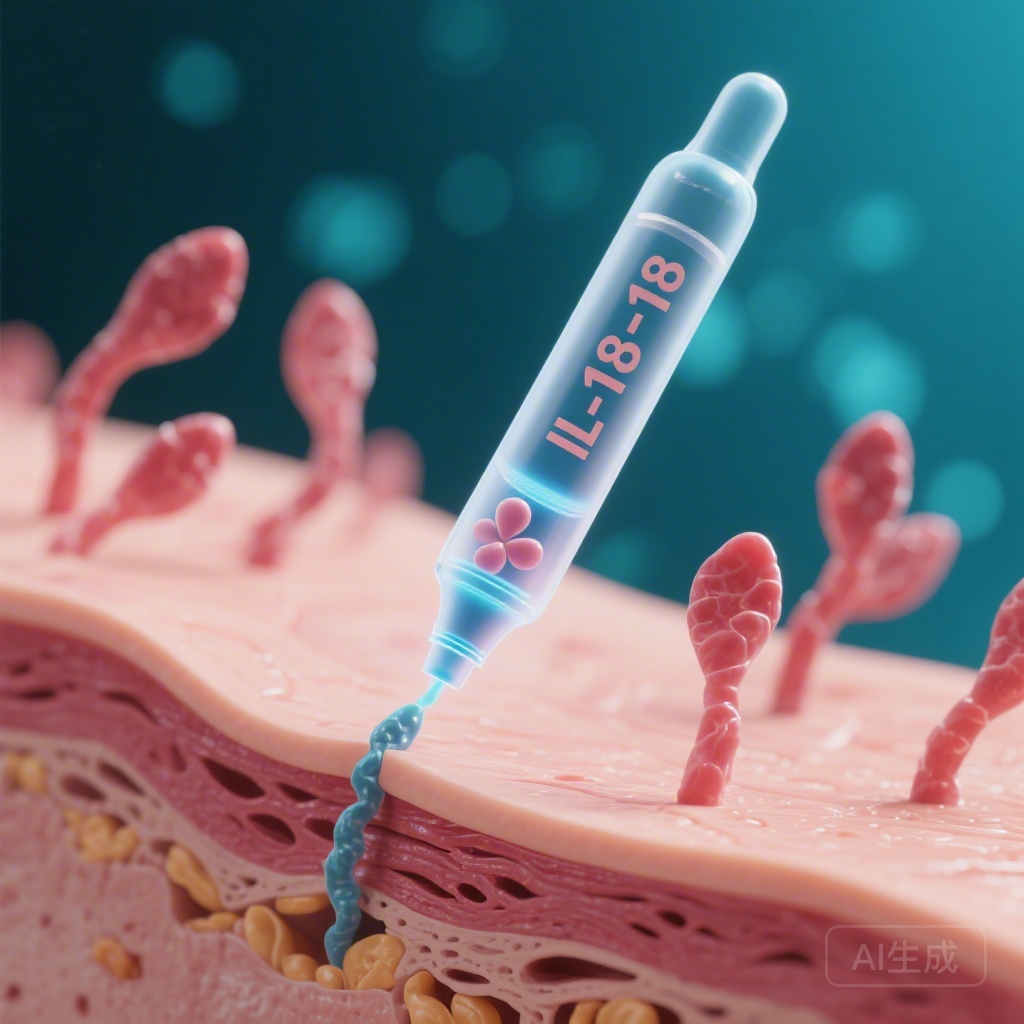
A phase 2a randomized trial found low‑dose IL‑2 given every 4 weeks was safe, expanded regulatory T cells, altered peripheral inflammatory mediators, increased CSF Aβ42, stabilized NfL, and trended toward slower cognitive decline in mild–moderate AD.
Dupilumab Surpasses Omalizumab for Type‑2 Respiratory Disease: Converging Evidence from a Head‑to‑Head RCT, Real‑World US Data, and a Target‑Trial Emulation

Dupilumab Surpasses Omalizumab for Type‑2 Respiratory Disease: Converging Evidence from a Head‑to‑Head RCT, Real‑World US Data, and a Target‑Trial Emulation

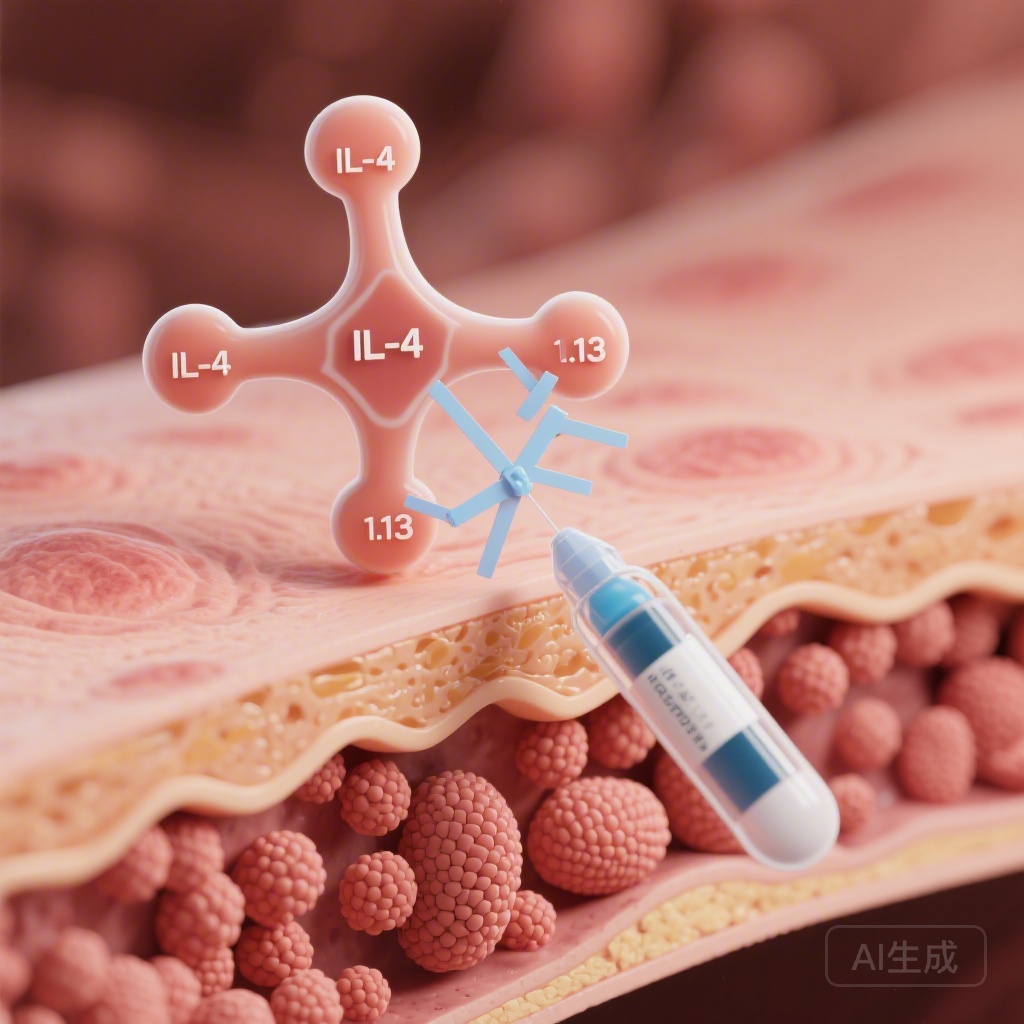
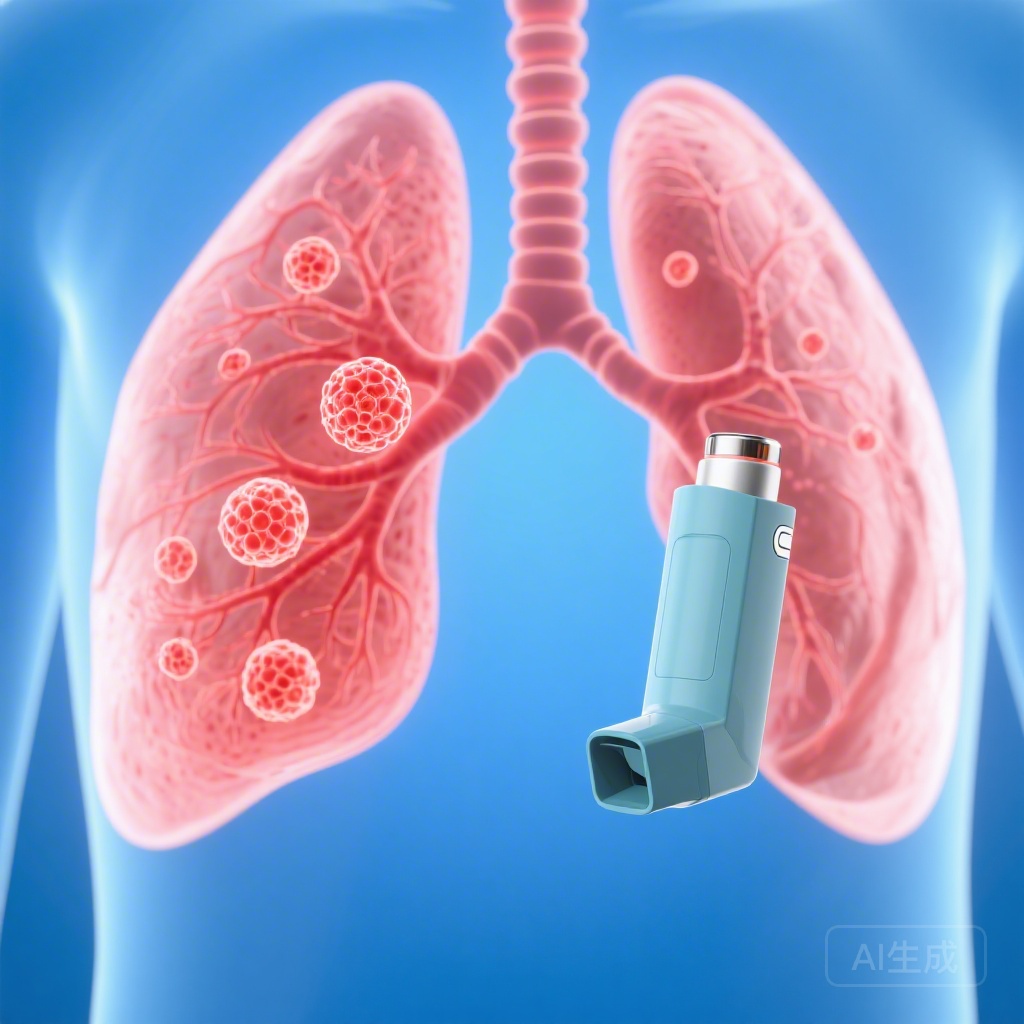
Three complementary studies—EVEREST (head‑to‑head RCT), the US ADVANTAGE real‑world study, and a target‑trial emulation—consistently show greater reductions in nasal polyp burden, smell loss, asthma exacerbations, and systemic steroid use with dupilumab versus omalizumab in type‑2 respiratory disease.
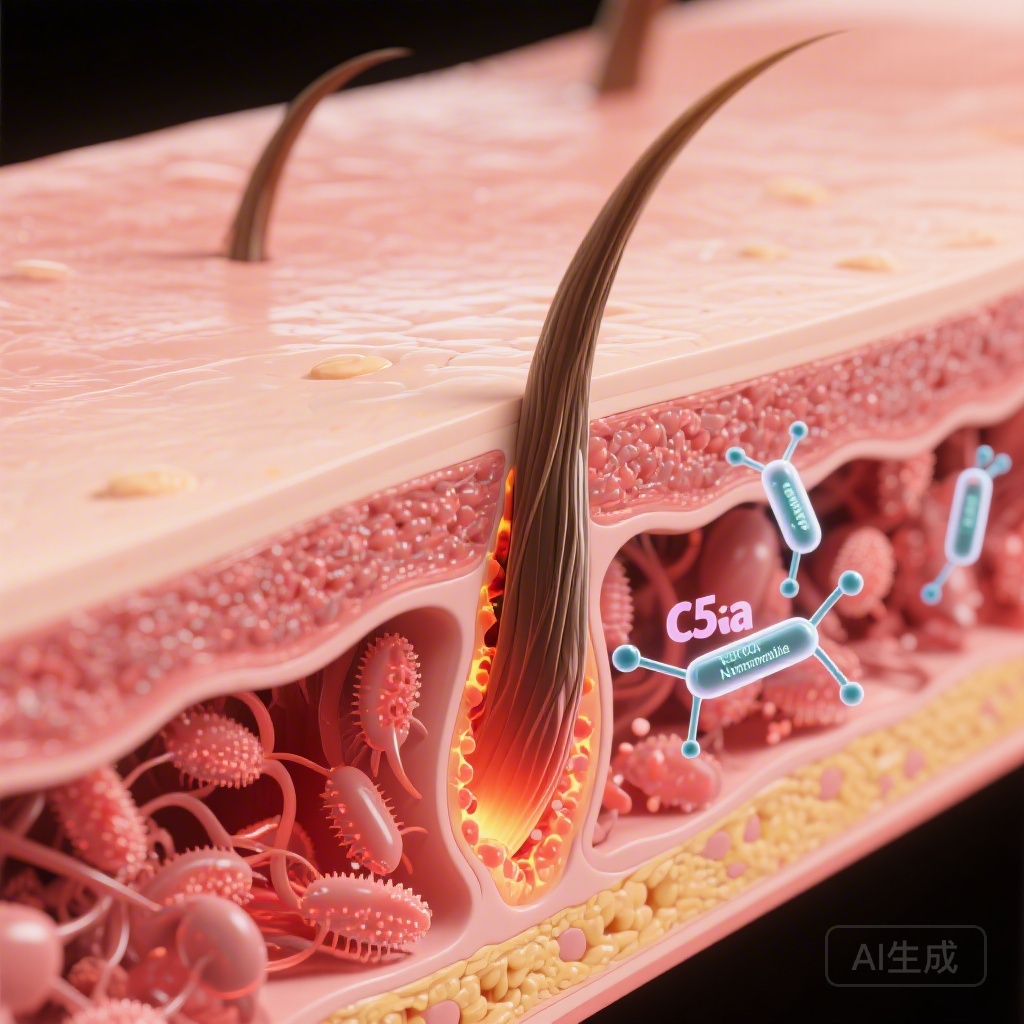
Seborrheic Dermatitis and Epithelial Barrier Diseases: Large Cohort Studies Support a Shared Barrier‑Driven Pathogenesis

Seborrheic Dermatitis and Epithelial Barrier Diseases: Large Cohort Studies Support a Shared Barrier‑Driven Pathogenesis

Two large US retrospective cohort studies show seborrheic dermatitis is strongly associated with a range of epithelial barrier diseases (skin, respiratory, gastrointestinal, ocular), with evidence of bidirectional risk. Findings support the epithelial barrier theory and prompt integrated clinical awareness and mechanistic research.