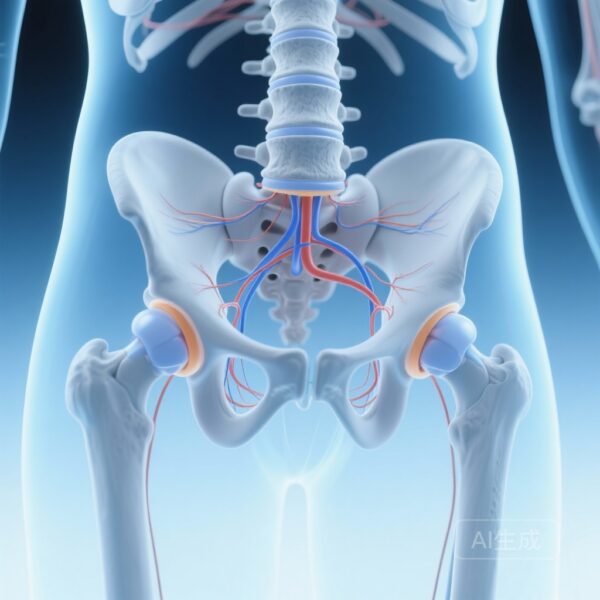
Introduction: The Intersection of Pain, Hip Fractures, and Delirium
Every year, approximately 1.5 million hip fractures occur worldwide, a figure expected to rise as the global population ages. For the elderly patient, a hip fracture is not merely a skeletal injury; it is a systemic crisis often complicated by acute cognitive dysfunction. Delirium—a state of acute confusion and fluctuating attention—affects between 20% and 62% of these patients. The consequences of delirium are severe, including prolonged hospital stays, increased risk of dementia, and higher mortality rates.
Historically, the management of acute pain in the emergency department (ED) has relied heavily on systemic opioids. However, opioids are a double-edged sword in the geriatric population, as they are potent triggers for delirium. Point-of-care ultrasound-guided regional anesthesia (POCUS-GRA), specifically the fascia iliaca compartment block (FICB), offers a compelling alternative. By providing targeted analgesia without the systemic side effects of narcotics, FICB has the potential to break the cycle of pain and cognitive decline. Despite its benefits, the routine implementation of POCUS-GRA by emergency physicians has remained inconsistent. A new study published in JAMA Network Open by Lee et al. (2025) investigates whether a structured knowledge-to-practice intervention can bridge this gap and improve patient outcomes.