Antibody-drug conjugates (ADCs) have transformed breast cancer therapy but bring notable toxicity risks. This review examines the clinical evidence, adverse event management, and future directions for optimizing ADC use.
Once-weekly lonapegsomatropin (Skytrofa) is now FDA-approved for adult growth hormone deficiency, offering a more convenient alternative to daily injections with demonstrated efficacy and safety.
Longitudinal data from CARDIA reveal declining physical activity before and after CVD events, with pronounced disparities among Black women, highlighting the need for targeted interventions across the life course.
A large US trial shows that intensive, structured lifestyle programs yield greater cognitive improvement in at-risk older adults compared to self-guided approaches, though both are beneficial.
Emerging evidence links subclinical primary aldosteronism to significantly increased cardiovascular risk, even in normotensive individuals, highlighting the need for refined screening and personalized hypertension management.
Audit reveals major misclassification in hospital coding for myocardial infarction types, risking flawed epidemiology, reimbursement, and patient care.
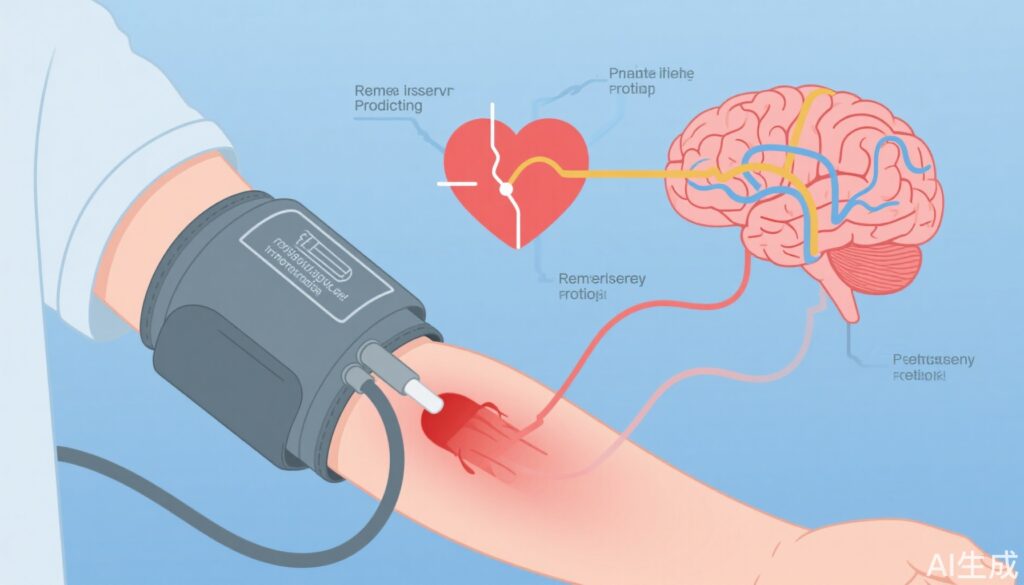
A 12-week randomized trial finds that increasing daily sit-to-stand transitions reduces diastolic blood pressure in sedentary, overweight, or obese postmenopausal women but does not significantly affect glucose regulation.
A large real-world cohort study finds JAK inhibitors increase risk of venous thromboembolism versus dupilumab and methotrexate in atopic dermatitis, highlighting the need for individualized therapy.
Community-based data suggest lecanemab is safe and effective for early-stage Alzheimer’s, with manageable ARIA rates and infusion reactions, particularly in ApoE4 noncarriers.
A large phase 3 trial reveals that structured, multidomain lifestyle interventions significantly improve cognition in older adults at risk for cognitive decline, outperforming self-guided strategies.
New Alzheimer’s Association guidelines endorse blood-based biomarkers as diagnostic adjuncts, not standalone tests, emphasizing rigorous clinical evaluation and high test accuracy.
Overdose deaths from synthetic opioids alone in U.S. youth aged 15–24 surged 168% between 2018 and 2022, now representing one-third of all youth OD fatalities. Clinical vigilance, harm reduction, and targeted prevention are urgently needed.
A recent survey found 39% of elective sports surgery patients used CBD for pain or sleep, with one-third reporting benefit—underscoring the need for more evidence and opioid alternatives.
An FDA expert panel debates the risks and benefits of SSRI antidepressants in pregnancy, emphasizing the need to weigh untreated depression risks against potential drug-related fetal outcomes.
Extended daytime naps and inadequate nighttime sleep independently and synergistically elevate the risk of incident atrial fibrillation, according to a large Spanish cohort study.
Explore the methodology and significance of the 2025-2026 U.S. News Best Hospitals rankings, featuring top-performing hospitals nationwide and the criteria driving their recognition.