The Long Shadow of the ICU: Identifying High-Risk Functional Trajectories in Older Survivors

The Long Shadow of the ICU: Identifying High-Risk Functional Trajectories in Older Survivors

A large-scale longitudinal study reveals that ICU survivors aged 60–79 face significantly higher 5-year excess mortality and functional decline compared to the general population, whereas outcomes for nonagenarians converge with their peers, highlighting a critical window for geriatric intervention and advance care planning.

Optimizing Acid-Base Stability in CVVH: Why Lower Bicarbonate Fluids Outperform Standard Concentrations During Regional Citrate Anticoagulation

Optimizing Acid-Base Stability in CVVH: Why Lower Bicarbonate Fluids Outperform Standard Concentrations During Regional Citrate Anticoagulation

This randomized controlled trial demonstrates that a lower bicarbonate replacement fluid (22 mmol/l) provides superior acid-base stability compared to a higher concentration (30 mmol/l) during CVVH with citrate anticoagulation, significantly reducing metabolic excursions without delaying acidosis correction.
Intensive Lifestyle Intervention Reduces HFpEF Risk in High-Risk Diabetes: The Prescriptive Power of NT-proBNP

Intensive Lifestyle Intervention Reduces HFpEF Risk in High-Risk Diabetes: The Prescriptive Power of NT-proBNP

A post-hoc analysis of the Look AHEAD trial demonstrates that NT-proBNP levels can identify patients with type 2 diabetes who benefit most from intensive lifestyle interventions. ILI significantly reduced HFpEF risk in those with elevated or stable/decreasing NT-proBNP, supporting a biomarker-guided approach to prevention.
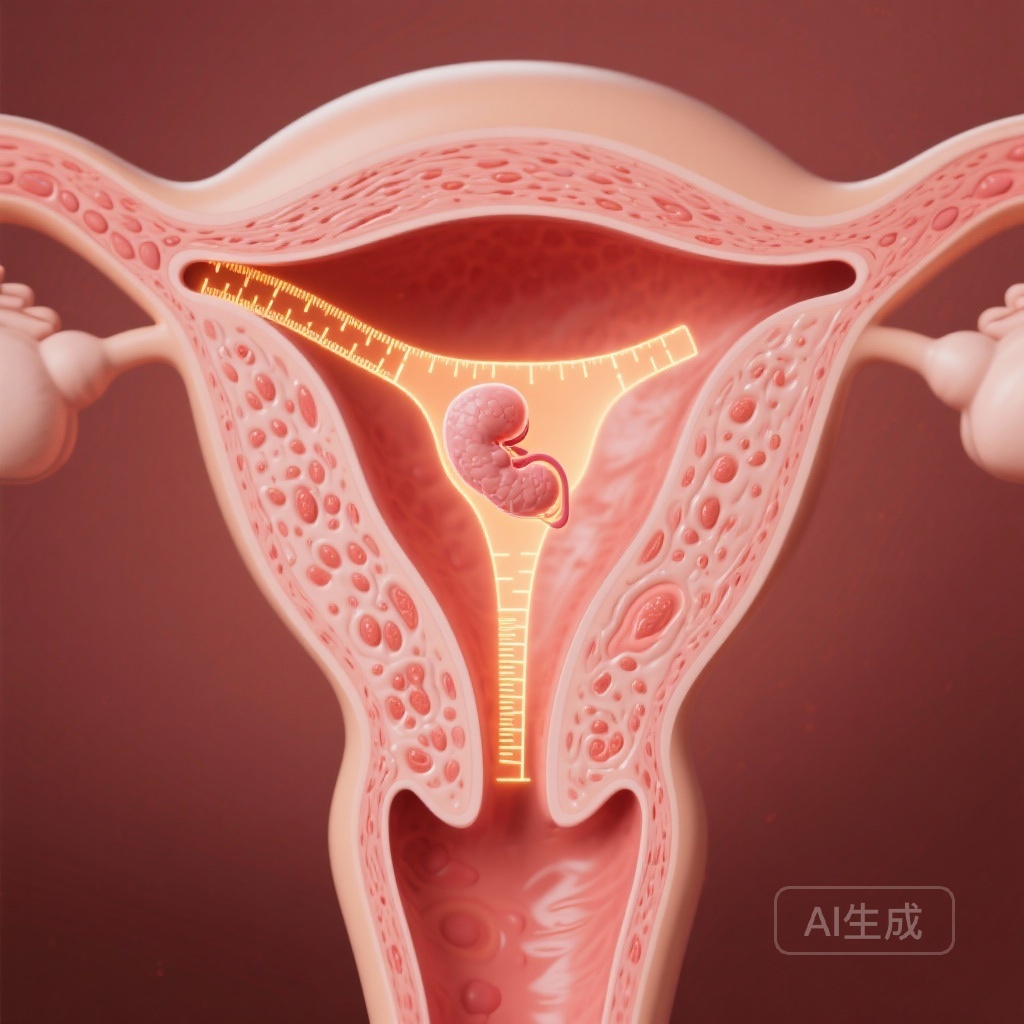
Live Birth Rates Independent of Sex-Steroid Levels in Dydrogesterone-Based Programmed-Ovulatory FET: A Shift in Luteal Support Monitoring?

Live Birth Rates Independent of Sex-Steroid Levels in Dydrogesterone-Based Programmed-Ovulatory FET: A Shift in Luteal Support Monitoring?

A multicentric study demonstrates that sex-steroid levels on the day of embryo transfer do not predict live birth rates in a novel programmed-ovulatory FET protocol using dydrogesterone, suggesting that routine hormonal monitoring may be unnecessary when corpus luteum function is preserved.
Predicting Alzheimer’s Progression: The Power of Tau-Clinical Mismatch in Identifying Copathology and Resilience

Predicting Alzheimer’s Progression: The Power of Tau-Clinical Mismatch in Identifying Copathology and Resilience

This study demonstrates that the mismatch between tau burden and clinical symptoms identifies individuals with non-AD copathology or cognitive resilience. These findings offer a precision medicine framework for predicting disease trajectories and monitoring responses to emerging anti-amyloid therapies.