Explore five common physical signs indicating the onset of aging and learn how consistent sleep habits can help slow biological aging through practical lifestyle changes.
Fungal nail infections, commonly known as onychomycosis or 'gray nails,' affect millions and require proper diagnosis and treatment to avoid complications. Learn who is at risk, how to recognize symptoms, treatment options, and practical prevention tips.
A simple sitting-rising test (SRT) and single-leg standing time can powerfully predict mortality risk and reflect neuromuscular aging, offering a low-cost method to assess health in middle-aged and older adults.
Intestinal polyps are common findings during colonoscopy, especially among those older than 50. While most are benign, certain types carry a significant risk of progressing to colorectal cancer. This article explores polyp types, risk factors, and clinical recommendations for removal.
Breast cancer is the most common cancer among women, with 90% of patients belonging to high-risk groups. This article explores five major risk factors, early detection strategies, and lifestyle changes crucial for prevention.
Stroke, a sudden interruption of brain blood flow, can lead to severe disability or death but is largely preventable. Early recognition and timely intervention can save lives and reduce complications.
Discover the crucial early signs of vascular blockage in hands and feet, simple self-check methods, and expert insights to protect your circulatory health effectively.
Exploring the impact of skipping brushing before sleep versus skipping it before breakfast on oral and overall health, highlighting why nighttime brushing is crucial.
Recent studies reveal that exercising after 6 p.m. significantly lowers cardiovascular risks and improves blood sugar control, highlighting evening as the ideal time for physical activity to protect heart health.
Recent research uncovers that the probiotic Clostridium butyricum directly interacts with colorectal cancer cells to inhibit immune suppression via the secD-GRP78 axis, restoring CD8+ T cell antitumor function and enhancing PD-1 inhibitor therapy.
A large real-world study shows that SGLT2 inhibitors significantly slow kidney function decline and improve albuminuria compared with other glucose-lowering drugs in type 2 diabetes patients with chronic kidney disease.
A secondary analysis of three total therapy clinical trials reveals significant long-term survival improvements in multiple myeloma patients with modern combinational and stem cell transplant approaches incorporating immunomodulatory and proteasome inhibitors.
The new hypertension management guidelines emphasize individualized treatment approaches based on recent evidence, aiming to improve cardiovascular health outcomes.
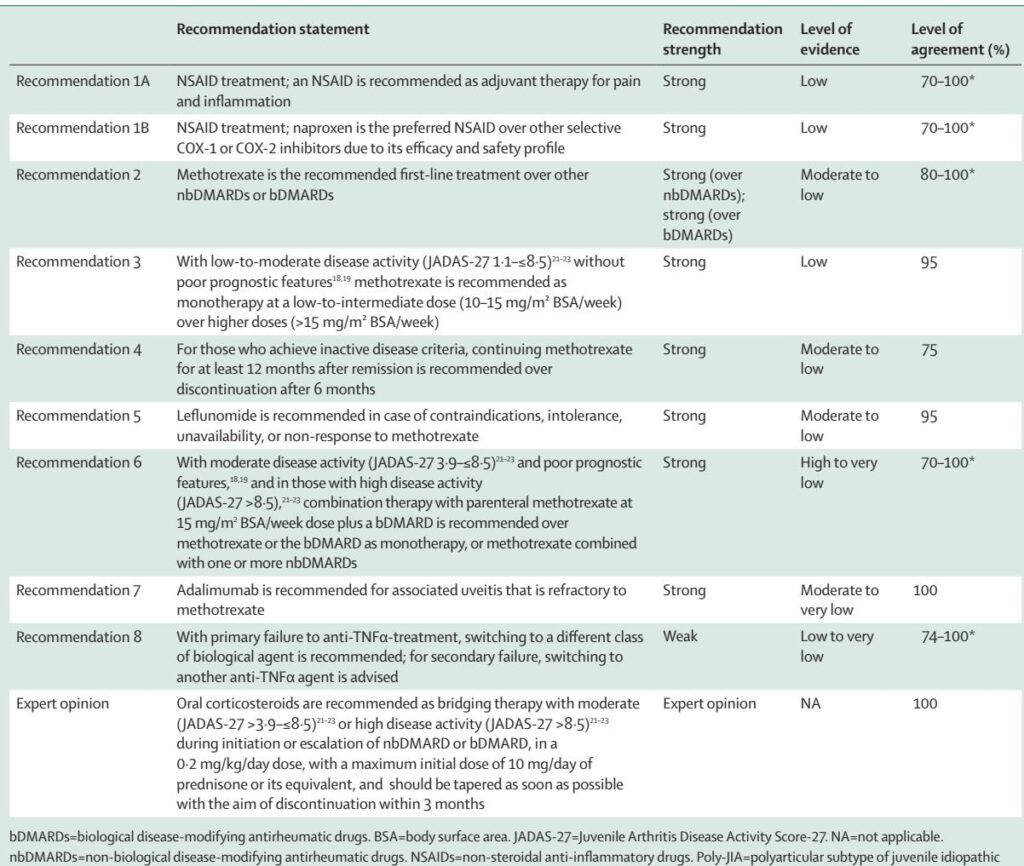
PANLAR’s 2025 evidence-based recommendations for non-systemic polyarticular JIA emphasize early treat-to-target care using methotrexate, targeted escalation to biologics when needed, region-sensitive alternatives (leflunomide, triple nbDMARD therapy), and limited steroid bridging to improve outcomes in Latin America.
This phase 3 trial demonstrates that anrikefon significantly reduces pruritus intensity and improves quality of life in patients undergoing haemodialysis with moderate to severe chronic kidney disease-associated pruritus, with a favorable safety profile.
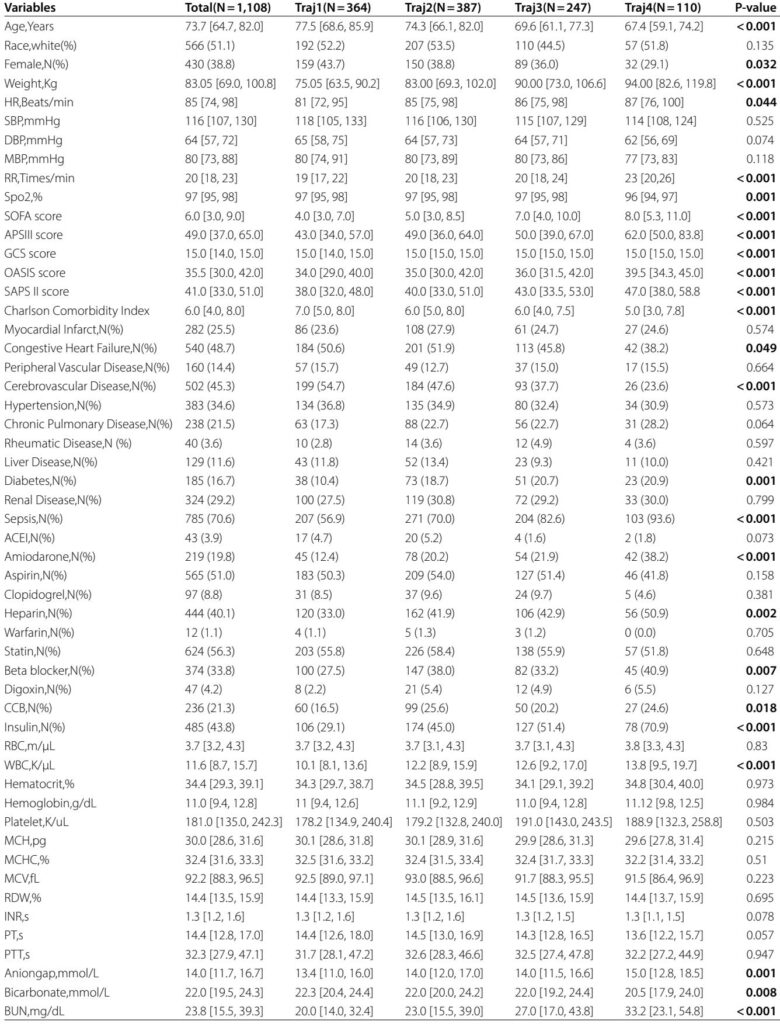
This study reveals that fluctuating high triglyceride-glucose (TyG) index trajectories in critically ill atrial fibrillation patients significantly predict increased all-cause mortality up to one year post-ICU admission, offering a novel prognostic tool for risk stratification.
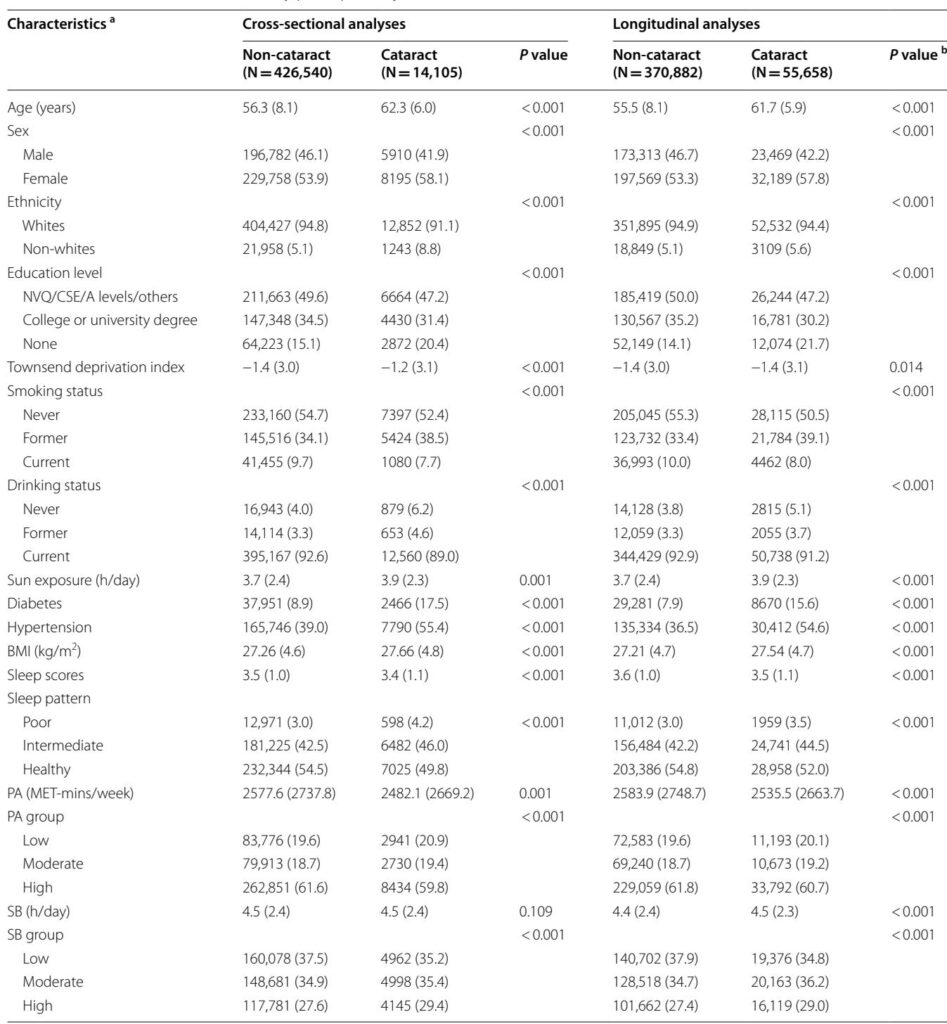
A large UK Biobank study demonstrates that poor sleep, low physical activity, and high sedentary behavior independently and jointly increase cataract risk, with lifestyle modifications reducing incidence.
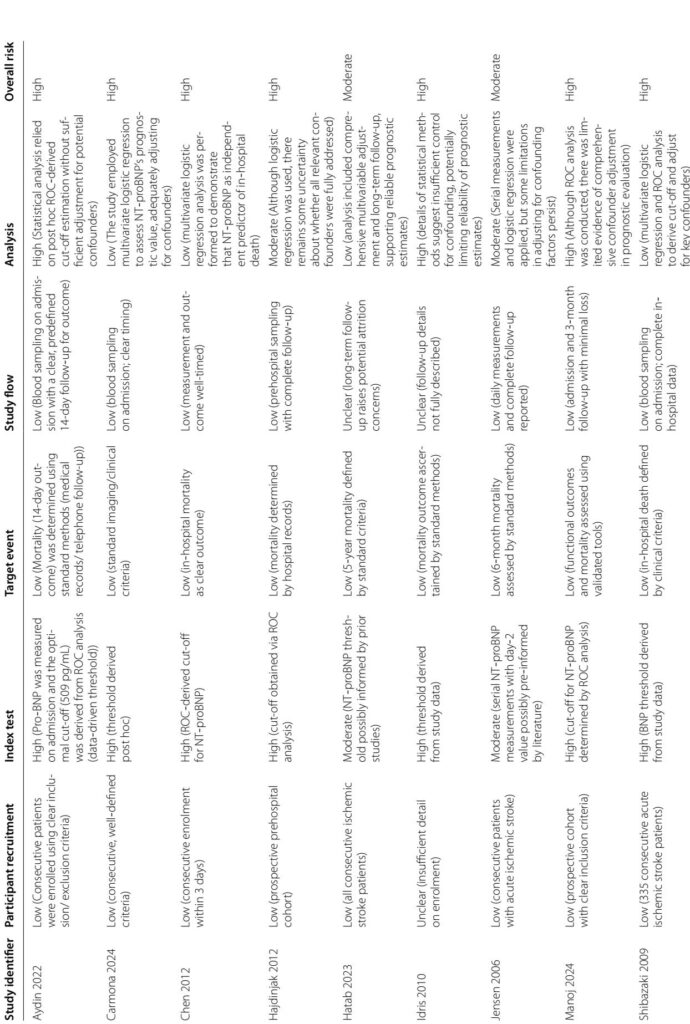
This systematic review and meta-analysis evaluates NT-proBNP's accuracy in predicting mortality among ischemic stroke patients, revealing moderate to high prognostic performance with potential clinical utility in risk stratification.
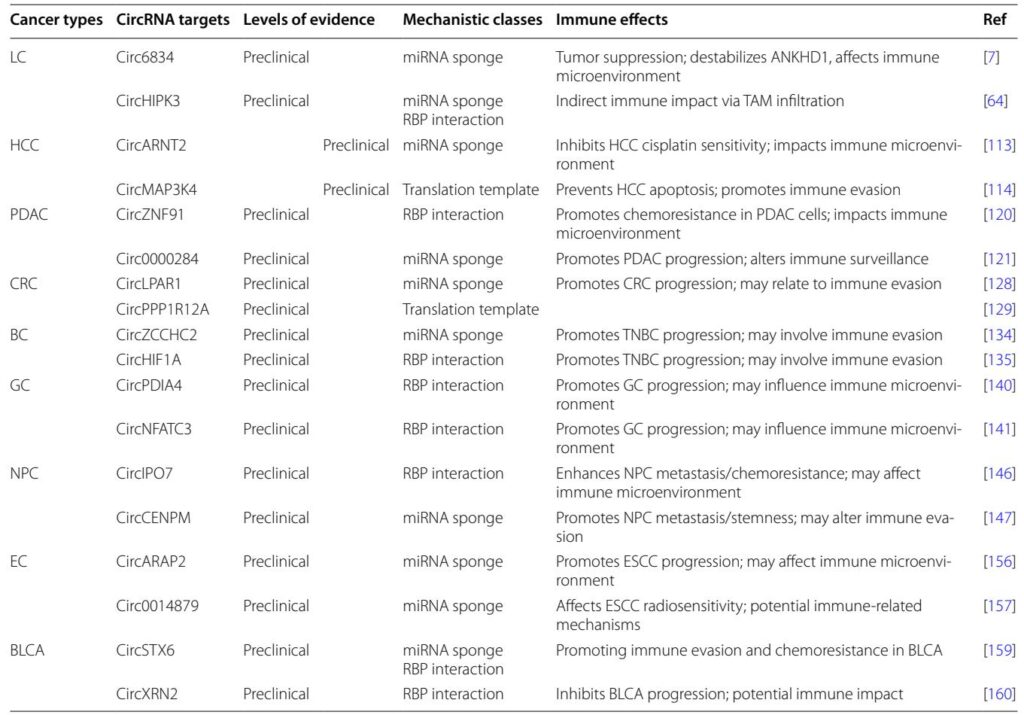
Circular RNAs (circRNAs) are pivotal regulators in cancer biology and immunotherapy, acting through mechanisms such as miRNA sponging, protein interactions, and translation. Their modulation of tumor immune microenvironment offers promising therapeutic avenues despite current technical challenges.
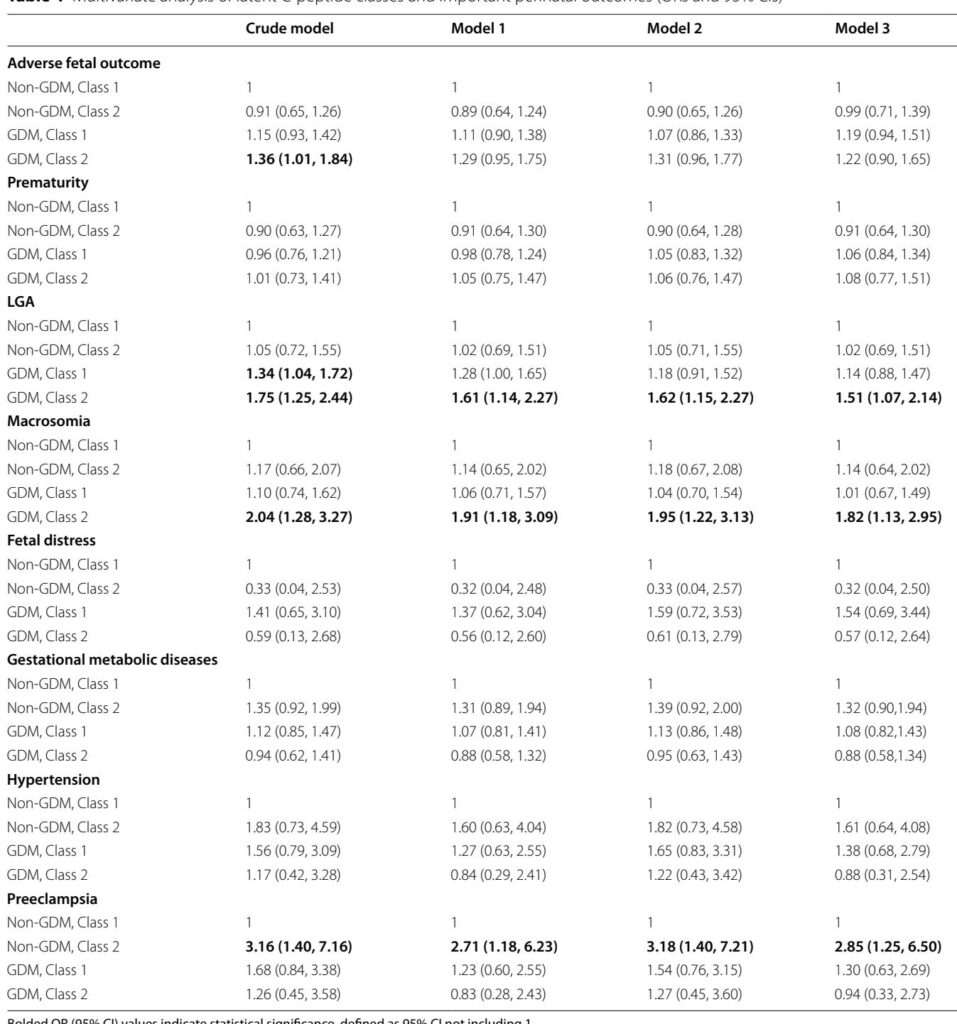
Dynamic C-peptide patterns during OGTT uncover metabolic heterogeneity in GDM, identifying insulin-resistant women at risk for fetal overgrowth and normoglycemic women at risk for preeclampsia, suggesting improved stratified treatment beyond glucose-based diagnosis.