Skip to content
medxy logo Medxy AI
  • Specialties
    • Allergy & Immunology
    • Anesthesiology
    • Cardiology
    • Critical Care
    • Dermatology
    • Diabetes & Endocrinology
    • Emergency Medicine
    • Family Medicine & Nutrition
    • Gastroenterology
    • General Surgery
    • Hematology-Oncology
    • HIV/AIDS
    • Infectious Diseases
    • Internal Medicine
    • Nephrology
    • Neurology
    • Nursing & care
    • OB/GYN & Women’s Health
    • Oncology
    • Ophthalmology
    • Orthopedics
    • Otorhinolaryngology
    • Pathology & Lab Medicine
    • Pediatrics
    • Plastic Surgery
    • Psychiatry
    • Public Health
    • Radiology
    • Respiratory
    • Rheumatology
    • Urology
  • Clinical Updates
  • Medical News
  • iDoctor
  • Specialties
    • Allergy & Immunology
    • Anesthesiology
    • Cardiology
    • Critical Care
    • Dermatology
    • Diabetes & Endocrinology
    • Emergency Medicine
    • Family Medicine & Nutrition
    • Gastroenterology
    • General Surgery
    • Hematology-Oncology
    • HIV/AIDS
    • Infectious Diseases
    • Internal Medicine
    • Nephrology
    • Neurology
    • Nursing & care
    • OB/GYN & Women’s Health
    • Oncology
    • Ophthalmology
    • Orthopedics
    • Otorhinolaryngology
    • Pathology & Lab Medicine
    • Pediatrics
    • Plastic Surgery
    • Psychiatry
    • Public Health
    • Radiology
    • Respiratory
    • Rheumatology
    • Urology
  • Clinical Updates
  • Medical News
  • iDoctor
  • facebook.com
  • twitter.com
  • t.me
  • instagram.com
  • youtube.com
Subscribe

vascular aging

  • Home
  • vascular aging
Biological Age Outpaces Chronological Age in Predicting Cerebral Small Vessel Disease Progression
Posted inCardiology Neurology news

Biological Age Outpaces Chronological Age in Predicting Cerebral Small Vessel Disease Progression

Posted by MedXY By MedXY 04/14/2026
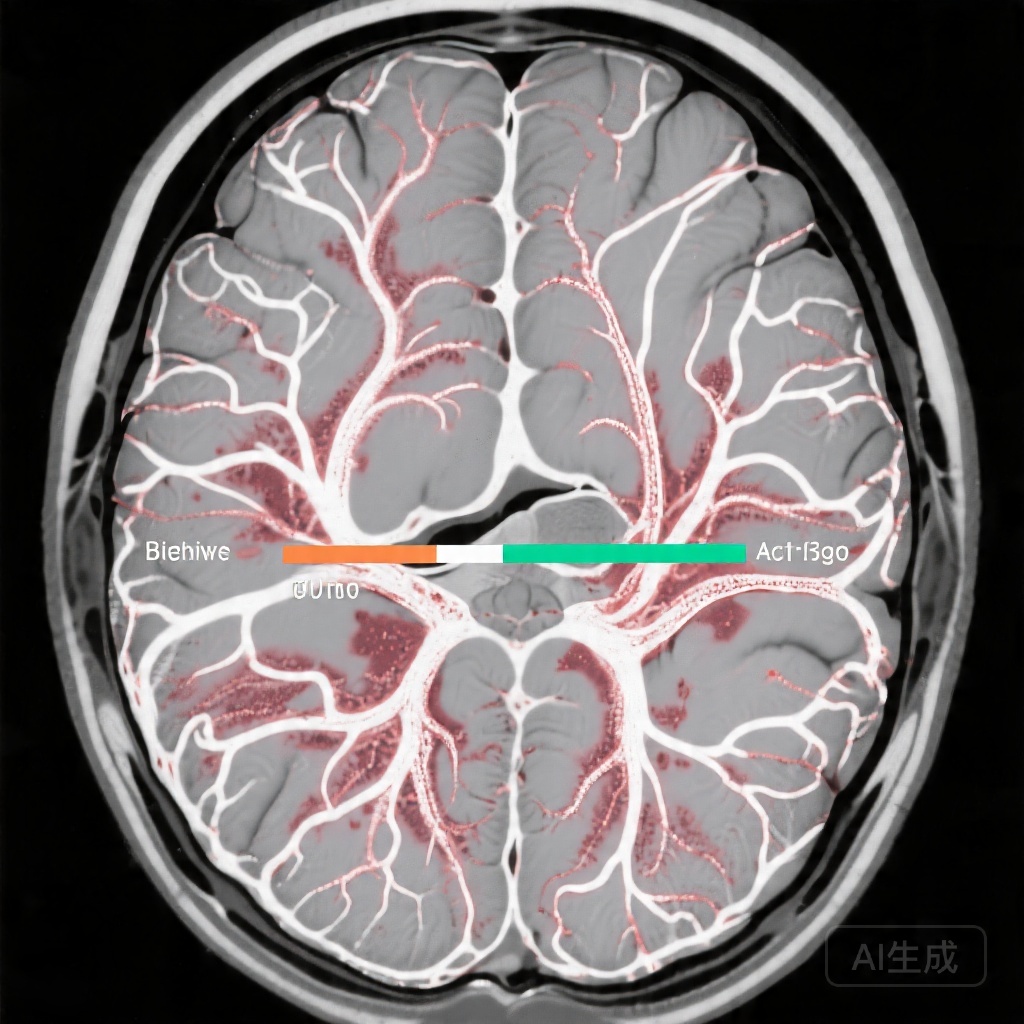
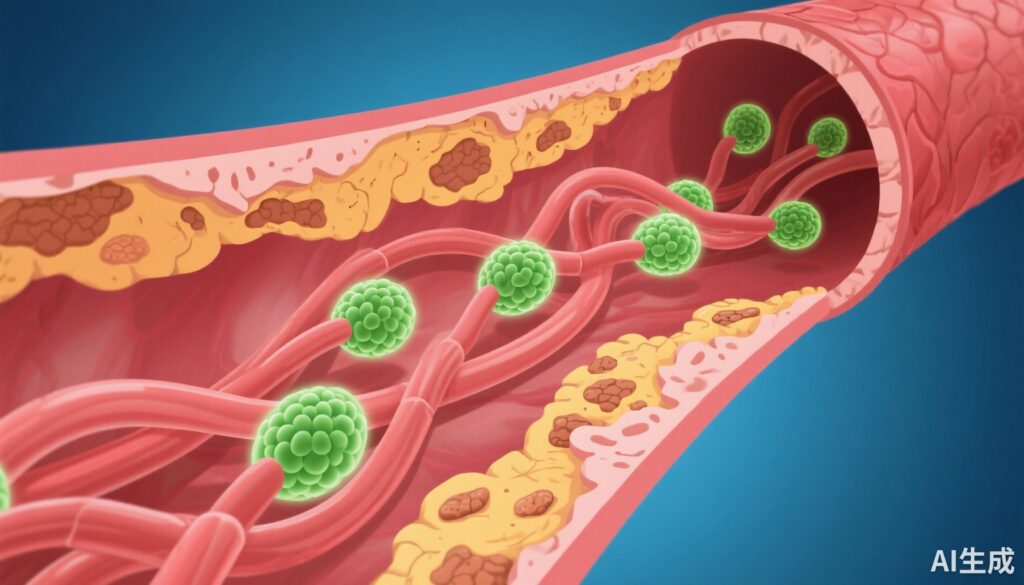
This longitudinal cohort study reveals that biomarker-based biological age, particularly KDMAge and PhenoAge residuals, significantly predicts progression of cerebral small vessel disease, including new lacunes and microbleeds, offering potential for early risk identification.
Read More
Repurposing Antihypertensive Drug Trazosin to Delay Vascular Aging: A Breakthrough in Atherosclerosis Management
Posted inCardiology Clinical Updates news Specialties

Repurposing Antihypertensive Drug Trazosin to Delay Vascular Aging: A Breakthrough in Atherosclerosis Management

Posted by MedXY By MedXY 09/18/2025
New research identifies transcription factor ATF3 as a key regulator of vascular smooth muscle cell aging and reveals low-dose trazosin, a commonly used antihypertensive, as a potential therapy to delay vascular aging and atherosclerosis progression via autophagy enhancement.
Read More
Citrate: The New Molecular Key to Reversing Vascular Aging and Combating Cardiovascular Disease
Posted inFamily Medicine & Nutrition Medical News news Specialties

Citrate: The New Molecular Key to Reversing Vascular Aging and Combating Cardiovascular Disease

Posted by MedXY By MedXY 09/14/2025
Recent research reveals that citrate, a natural compound found in citrus fruits, may significantly reverse vascular aging and reduce the risk of cardiovascular diseases by restoring mitochondrial function and vascular elasticity.
Read More
Sex-Specific Impact of COVID-19 on Vascular Aging: Evidence from the CARTESIAN Study
Posted inCardiology Infectious Diseases news Specialties

Sex-Specific Impact of COVID-19 on Vascular Aging: Evidence from the CARTESIAN Study

Posted by MedXY By MedXY 08/20/2025
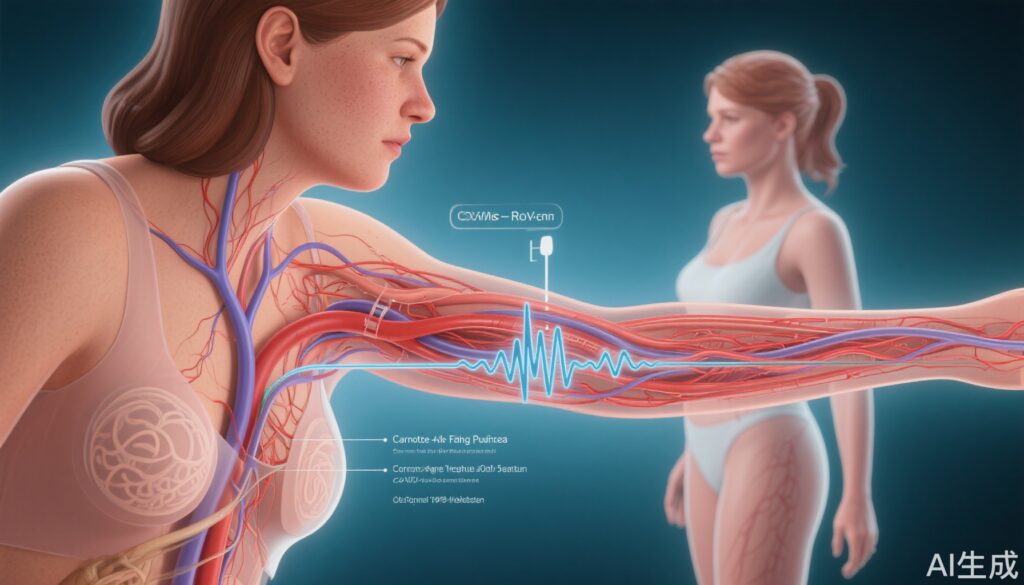
COVID-19 accelerates vascular aging by approximately 5 years, disproportionately affecting women, with vaccination conferring protection primarily in females, highlighting sex-specific immunological responses and long-term vascular risks.
Read More
The Cliff of Aging: Why Your Body Suddenly Feels Old at 30, 45, and 60
Posted inFamily Medicine & Nutrition news Specialties

The Cliff of Aging: Why Your Body Suddenly Feels Old at 30, 45, and 60

Posted by MedXY By MedXY 08/19/2025
New studies reveal that human aging is non-linear, with key biological shifts at 30, 45–55, and 60 years driving accelerated decline in endocrine function and tissue health.
Read More
  • Severe Maternal Morbidity at Delivery Is Linked to Shorter and Less Exclusive Breastfeeding in Nulliparous U.S. Patients
  • Adult Liver Transplant Candidate Evaluation: What the New AASLD/AST Guideline Changes
  • TNF-α–Driven Immune-Endothelial Injury Emerges as a Therapeutic Target in Severe Acute Pancreatitis
  • Pathology-Driven Epithelial Sulfide Loss Reprograms the Redox Proteome and Triggers Barrett’s Esophagus
  • Pregnancy Complications Signal Long-Term Maternal Risk of Subarachnoid Hemorrhage in a 50-Year Swedish Cohort
  • About us
  • Contact us
  • MedXY story
  • Privacy Policy
  • Subscribe Now!
  • 账号

  • English
  • 日本語
  • Tiếng Việt
  • 中文

Alzheimer's disease artificial intelligence atrial fibrillation biomarkers breast cancer Cardiology cardiovascular disease cardiovascular risk chronic kidney disease clinical trial clinical trials critical care depression diabetes epidemiology health heart failure Hypertension immunotherapy inflammation MASLD mental health metformin Mortality myocardial infarction nutrition obesity older adults oncology Pediatrics precision medicine Pregnancy prevention prostate cancer public health randomized clinical trial randomized trial risk stratification SGLT2 inhibitors stroke targeted therapy type 1 diabetes type 2 diabetes weight loss women's health

Your health, we care

Copyright 2026 — Medxy AI. All rights reserved.
Scroll to Top
Sign in