Skip to content
medxy logo Medxy AI
  • Specialties
    • Allergy & Immunology
    • Anesthesiology
    • Cardiology
    • Critical Care
    • Dermatology
    • Diabetes & Endocrinology
    • Emergency Medicine
    • Family Medicine & Nutrition
    • Gastroenterology
    • General Surgery
    • Hematology-Oncology
    • HIV/AIDS
    • Infectious Diseases
    • Internal Medicine
    • Nephrology
    • Neurology
    • Nursing & care
    • OB/GYN & Women’s Health
    • Oncology
    • Ophthalmology
    • Orthopedics
    • Otorhinolaryngology
    • Pathology & Lab Medicine
    • Pediatrics
    • Plastic Surgery
    • Psychiatry
    • Public Health
    • Radiology
    • Respiratory
    • Rheumatology
    • Urology
  • Clinical Updates
  • Medical News
  • iDoctor
  • Specialties
    • Allergy & Immunology
    • Anesthesiology
    • Cardiology
    • Critical Care
    • Dermatology
    • Diabetes & Endocrinology
    • Emergency Medicine
    • Family Medicine & Nutrition
    • Gastroenterology
    • General Surgery
    • Hematology-Oncology
    • HIV/AIDS
    • Infectious Diseases
    • Internal Medicine
    • Nephrology
    • Neurology
    • Nursing & care
    • OB/GYN & Women’s Health
    • Oncology
    • Ophthalmology
    • Orthopedics
    • Otorhinolaryngology
    • Pathology & Lab Medicine
    • Pediatrics
    • Plastic Surgery
    • Psychiatry
    • Public Health
    • Radiology
    • Respiratory
    • Rheumatology
    • Urology
  • Clinical Updates
  • Medical News
  • iDoctor
  • facebook.com
  • twitter.com
  • t.me
  • instagram.com
  • youtube.com
Subscribe

surveillance

  • Home
  • surveillance
Pancreatic Cancer Risk During IPMN Surveillance Is About 10-Fold Higher Than in the General Population
Posted inGastroenterology news Oncology

Pancreatic Cancer Risk During IPMN Surveillance Is About 10-Fold Higher Than in the General Population

Posted by MedXY By MedXY 06/01/2026
A SEER-matched analysis found that patients undergoing IPMN surveillance have a markedly elevated malignancy risk, with substantial heterogeneity by duct dilation, obesity, age, and cyst features.
Read More
Pancreatic Cancer Risk During IPMN Surveillance: A SEER-Based Comparison
Posted inGastroenterology news Oncology

Pancreatic Cancer Risk During IPMN Surveillance: A SEER-Based Comparison

Posted by MedXY By MedXY 06/01/2026
A SEER-based study found IPMN surveillance patients have about 10 times higher pancreatic cancer risk than the general population, with highest risk in those with main duct dilation or obesity.
Read More
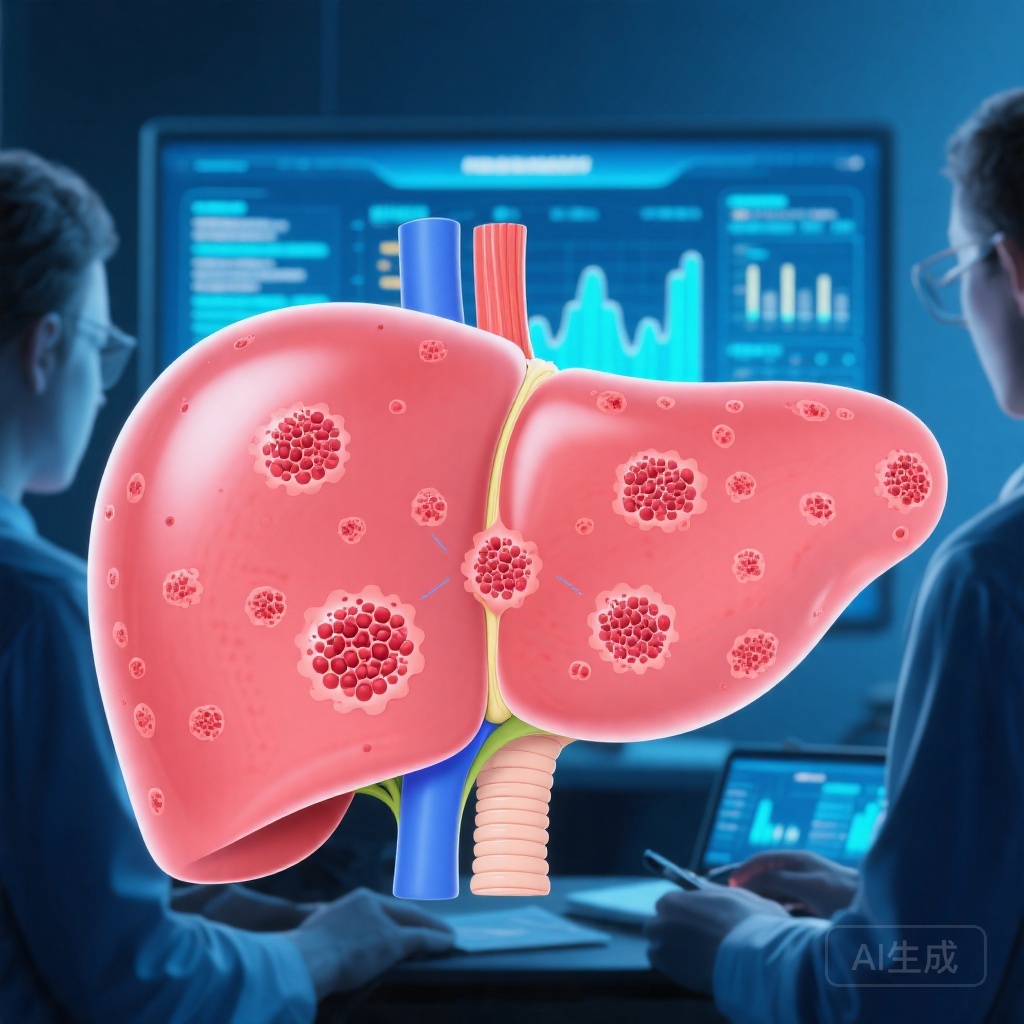
Non-contrast abbreviated MRI shows superior accuracy to ultrasound for hepatocellular carcinoma surveillance in cirrhosis: interim prospective trial results
Posted inGastroenterology news Radiology

Non-contrast abbreviated MRI shows superior accuracy to ultrasound for hepatocellular carcinoma surveillance in cirrhosis: interim prospective trial results

Posted by MedXY By MedXY 05/13/2026
A prospective trial found that non-contrast abbreviated MRI detected hepatocellular carcinoma in cirrhotic patients far better than ultrasound, with most MRI-detected tumors found at an early, potentially curable stage.
Read More
A New Framework to Refine Hepatocellular Cancer Surveillance with Risk Stratification Models
Posted inGastroenterology news Oncology

A New Framework to Refine Hepatocellular Cancer Surveillance with Risk Stratification Models

Posted by MedXY By MedXY 04/23/2026
The Translational Liver Cancer Consortium proposes a structured framework for developing and validating risk models to optimize HCC surveillance, addressing gaps in current clinical guidelines.
Read More
A Novel H3N2 Variant on the Rise: What Clinicians and Public Health Systems Need to Know for 2025–26
Posted inInfectious Diseases news Public Health

A Novel H3N2 Variant on the Rise: What Clinicians and Public Health Systems Need to Know for 2025–26

Posted by MedXY By MedXY 11/15/2025
Emerging H3N2 subclade K has driven increased influenza activity abroad and may seed the 2025–26 northern hemisphere season. Surveillance gaps complicate risk assessment; vaccination and early antiviral use remain central clinical strategies.
Read More
Enhancing Skin Cancer Surveillance in Solid Organ Transplant Recipients: Impact of the KP-SUNTRAC Risk-Based Program
Posted inDermatology Nephrology news

Enhancing Skin Cancer Surveillance in Solid Organ Transplant Recipients: Impact of the KP-SUNTRAC Risk-Based Program

Posted by MedXY By MedXY 10/15/2025
A retrospective cohort study demonstrates that implementation of KP-SUNTRAC increases targeted skin cancer screening and detection among high-risk solid organ transplant recipients without increasing health care utilization.
Read More
  • Severe Maternal Morbidity at Delivery Is Linked to Shorter and Less Exclusive Breastfeeding in Nulliparous U.S. Patients
  • Adult Liver Transplant Candidate Evaluation: What the New AASLD/AST Guideline Changes
  • TNF-α–Driven Immune-Endothelial Injury Emerges as a Therapeutic Target in Severe Acute Pancreatitis
  • Pathology-Driven Epithelial Sulfide Loss Reprograms the Redox Proteome and Triggers Barrett’s Esophagus
  • Pregnancy Complications Signal Long-Term Maternal Risk of Subarachnoid Hemorrhage in a 50-Year Swedish Cohort
  • About us
  • Contact us
  • MedXY story
  • Privacy Policy
  • Subscribe Now!
  • 账号

  • English
  • 日本語
  • Tiếng Việt
  • 中文

Alzheimer's disease artificial intelligence atrial fibrillation biomarkers breast cancer Cardiology cardiovascular disease cardiovascular risk chronic kidney disease clinical trial clinical trials critical care depression diabetes epidemiology health heart failure Hypertension immunotherapy inflammation MASLD mental health metformin Mortality myocardial infarction nutrition obesity older adults oncology Pediatrics precision medicine Pregnancy prevention prostate cancer public health randomized clinical trial randomized trial risk stratification SGLT2 inhibitors stroke targeted therapy type 1 diabetes type 2 diabetes weight loss women's health

Your health, we care

Copyright 2026 — Medxy AI. All rights reserved.
Scroll to Top
Sign in