Skip to content
medxy logo Medxy AI
  • Specialties
    • Allergy & Immunology
    • Anesthesiology
    • Cardiology
    • Critical Care
    • Dermatology
    • Diabetes & Endocrinology
    • Emergency Medicine
    • Family Medicine & Nutrition
    • Gastroenterology
    • General Surgery
    • Hematology-Oncology
    • HIV/AIDS
    • Infectious Diseases
    • Internal Medicine
    • Nephrology
    • Neurology
    • Nursing & care
    • OB/GYN & Women’s Health
    • Oncology
    • Ophthalmology
    • Orthopedics
    • Otorhinolaryngology
    • Pathology & Lab Medicine
    • Pediatrics
    • Plastic Surgery
    • Psychiatry
    • Public Health
    • Radiology
    • Respiratory
    • Rheumatology
    • Urology
  • Clinical Updates
  • Medical News
  • iDoctor
  • Specialties
    • Allergy & Immunology
    • Anesthesiology
    • Cardiology
    • Critical Care
    • Dermatology
    • Diabetes & Endocrinology
    • Emergency Medicine
    • Family Medicine & Nutrition
    • Gastroenterology
    • General Surgery
    • Hematology-Oncology
    • HIV/AIDS
    • Infectious Diseases
    • Internal Medicine
    • Nephrology
    • Neurology
    • Nursing & care
    • OB/GYN & Women’s Health
    • Oncology
    • Ophthalmology
    • Orthopedics
    • Otorhinolaryngology
    • Pathology & Lab Medicine
    • Pediatrics
    • Plastic Surgery
    • Psychiatry
    • Public Health
    • Radiology
    • Respiratory
    • Rheumatology
    • Urology
  • Clinical Updates
  • Medical News
  • iDoctor
  • facebook.com
  • twitter.com
  • t.me
  • instagram.com
  • youtube.com
Subscribe
  • Home
  • regenerative medicine
Therapeutic Potential of Autologous Blood Derivatives in Tissue Regeneration: A Systematic Review of Clinical Evidence and Mechanistic Insights
Posted inClinical Updates General Surgery news

Therapeutic Potential of Autologous Blood Derivatives in Tissue Regeneration: A Systematic Review of Clinical Evidence and Mechanistic Insights

Posted by MedXY By MedXY 03/08/2026
This review synthesizes recent PubMed-indexed evidence on autologous blood-derived therapies, such as PRP and PRF, highlighting their role in accelerating wound healing through growth factor signaling and cellular recruitment.
Read More
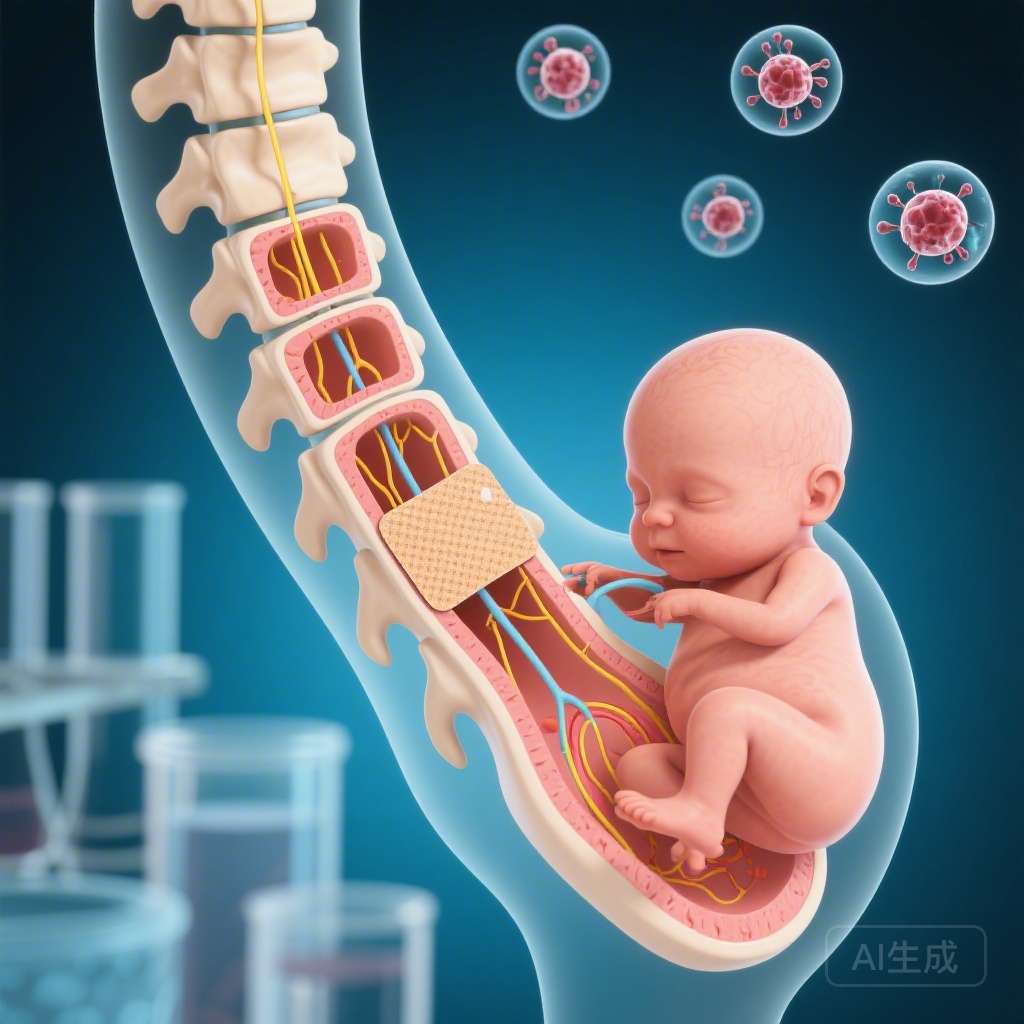
Cellular Therapy for In-Utero Myelomeningocele Repair: Results from the CuRe Phase 1 Trial
Posted innews Pediatrics

Cellular Therapy for In-Utero Myelomeningocele Repair: Results from the CuRe Phase 1 Trial

Posted by MedXY By MedXY 03/06/2026
This phase 1 study evaluates the safety of placenta-derived mesenchymal stem cells (PMSCs) seeded on an extracellular matrix for in-utero repair of myelomeningocele, demonstrating successful surgical outcomes and no cell-related adverse events in six patients.
Read More
Restoring Movement: How Polylaminin is Revolutionizing Spinal Cord Injury Treatment
Posted inNeurology news Orthopedics

Restoring Movement: How Polylaminin is Revolutionizing Spinal Cord Injury Treatment

Posted by MedXY By MedXY 02/07/2026
Brazilian scientists have developed Polylaminin, a protein derived from human placenta that stimulates nerve regeneration. In early trials, six paralyzed patients regained the ability to walk, prompting official Phase I clinical trials to begin this year.
Read More
Bio-Engineered Autologous Skin Grafts Outperform Gold Standard in Burn Care: 1-Year Phase IIB Results
Posted inDermatology news Plastic Surgery

Bio-Engineered Autologous Skin Grafts Outperform Gold Standard in Burn Care: 1-Year Phase IIB Results

Posted by MedXY By MedXY 12/29/2025
A Phase IIB trial demonstrates that denovoSkin™, an autologous bio-engineered skin graft, offers a significantly higher expansion ratio and superior scar outcomes compared to split-thickness skin grafts in burn patients, potentially revolutionizing the treatment of deep partial and full-thickness wounds.
Read More
Stem Cell Therapy for Avascular Necrosis of the Femoral Head: Promise or Pitfall? A Comprehensive Meta-Analysis
Posted innews Orthopedics

Stem Cell Therapy for Avascular Necrosis of the Femoral Head: Promise or Pitfall? A Comprehensive Meta-Analysis

Posted by MedXY By MedXY 10/12/2025
This meta-analysis evaluates stem cell therapy combined with mechanical support for avascular necrosis of the femoral head, highlighting modest improvements in function and delayed disease progression compared to stem cells alone.
Read More
  • Open Globe Repair Carries the Highest Endophthalmitis Risk, and Pediatric Cataract Surgery Outpaces Adult Surgery in IRIS Registry Data
  • Amivantamab Falls Short of Tumor Shrinkage in Recurrent or Metastatic Adenoid Cystic Carcinoma, but Disease Stabilization Was Common
  • Cartilage Ear Piercings Carry Nearly Double the Complication Risk of Lobule Piercings in a Large Adult Survey
  • Adequate Lymph Node Dissection May Carry a Survival Signal in Intrahepatic Cholangiocarcinoma
  • 腹腔鏡と開腹手術による小腸閉塞癒着剥離の長期転帰:LASSO無作為化臨床試験
  • About us
  • Contact us
  • MedXY story
  • Privacy Policy
  • Subscribe Now!
  • 账号

  • English
  • 日本語
  • Tiếng Việt
  • 中文

Alzheimer's disease artificial intelligence atrial fibrillation biomarkers breast cancer Cardiology cardiovascular disease cardiovascular risk chronic kidney disease clinical trial clinical trials critical care depression diabetes epidemiology health heart failure Hypertension immunotherapy inflammation MASLD mental health metformin Mortality multiple myeloma myocardial infarction nutrition obesity older adults oncology Pediatrics precision medicine Pregnancy prevention prostate cancer public health randomized clinical trial randomized trial SGLT2 inhibitors stroke targeted therapy type 1 diabetes type 2 diabetes weight loss women's health

Your health, we care

Copyright 2026 — Medxy AI. All rights reserved.
Scroll to Top
Sign in