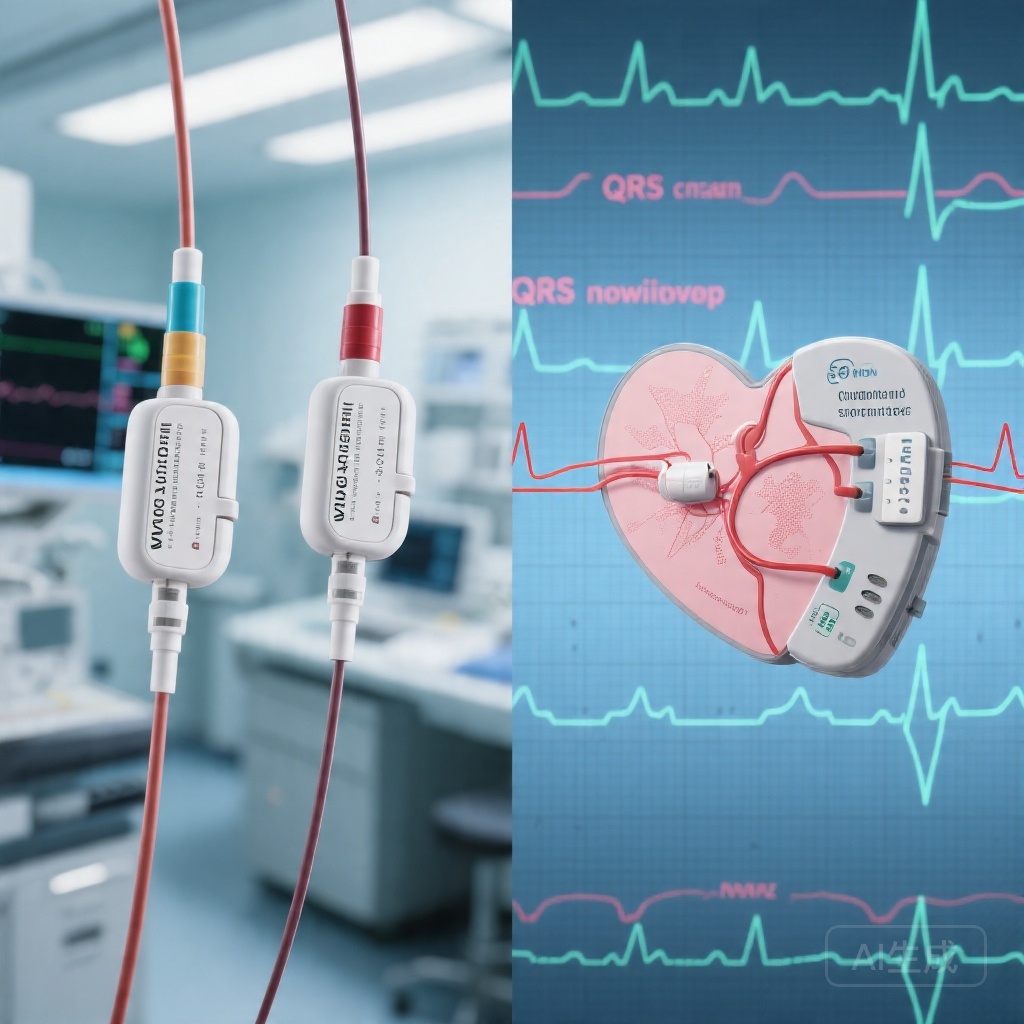
This multi-center study demonstrates that serial monitoring of plasma GFAP and NfL biomarkers can detect acute brain injury in pediatric ECMO patients before imaging diagnosis, significantly correlating with long-term survival and functional outcomes.
A prospective study demonstrates that rising levels of plasma GFAP and NfL precede neuroimaging-confirmed brain injury in children on ECMO. These biomarkers are also strongly associated with mortality and long-term functional impairment, offering a new window for neuroprotective monitoring.
This pilot randomized clinical trial investigated low-dose lithium for Mild Cognitive Impairment (MCI). While primary outcomes regarding cognition and neuroimaging were not statistically significant, the study established the intervention's feasibility and safety, providing crucial effect size estimates for future neuroprotective research.
A retrospective study reveals that patients with myocardial infarction caused by isolated coronary artery ectasia face significantly higher risks of recurrence and stent thrombosis compared to those without ectasia, highlighting a critical need for tailored antithrombotic strategies in this unique patient population.
The STABLED randomized clinical trial found that adding catheter ablation to standard edoxaban therapy did not significantly reduce the risk of recurrent stroke or composite cardiovascular outcomes in patients with atrial fibrillation and a recent history of ischemic stroke.
A multicenter randomized trial shows diacerein provides no clinical benefit over placebo for knee pain in patients with MRI-confirmed inflammation, despite its theoretical role as an IL-1β blocker.
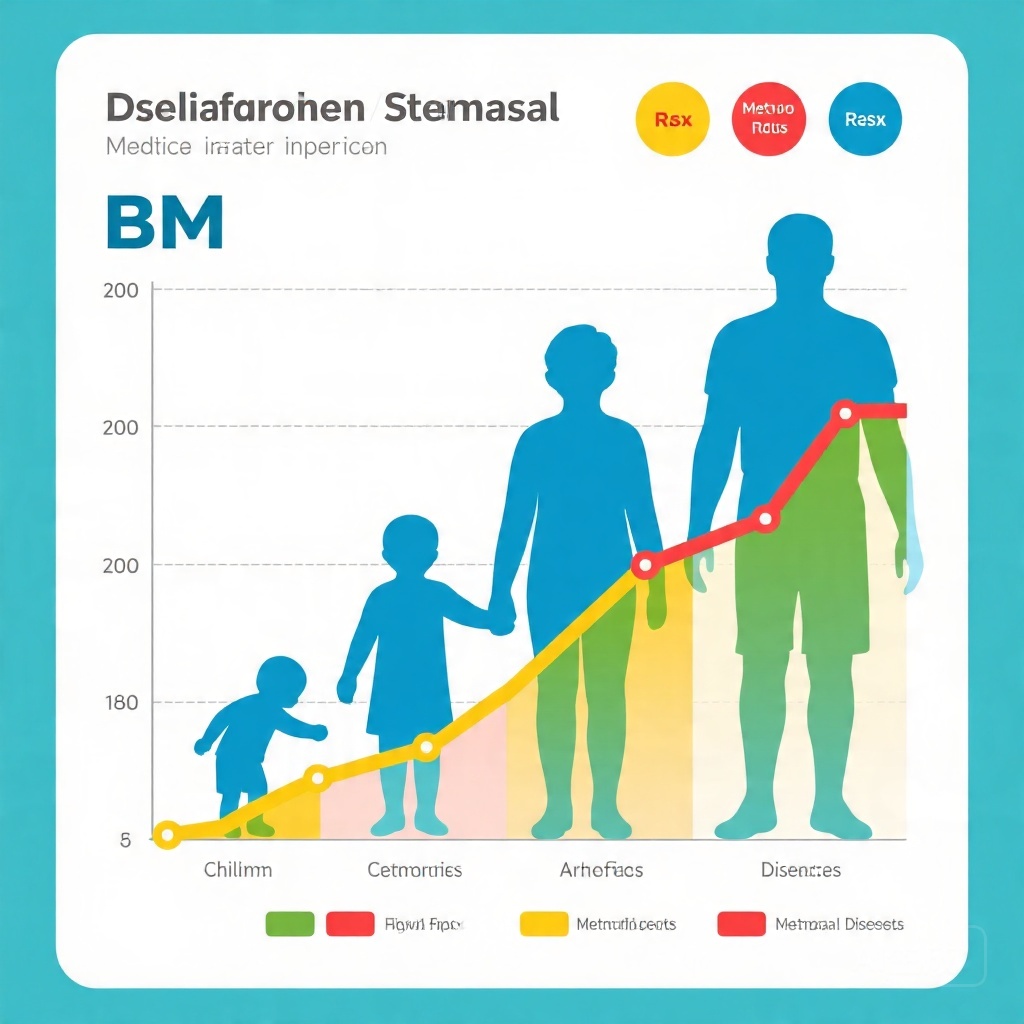
A systematic review and meta-analysis of 64 randomized trials reveals that GLP-1 receptor agonists lead to significantly higher weight loss in women (10.9%) compared to men (6.8%), while maintaining consistent efficacy across various ages, races, and baseline BMI levels.
Three-year pooled data from the ALTERRA trials demonstrate that the Alterra Adaptive Prestent combined with the SAPIEN 3 THV is highly effective and safe for treating severe pulmonary regurgitation in patients with large right ventricular outflow tracts, showing sustained durability and low reintervention rates.
This review analyzes new registry data revealing that low discharge gradients (<10 mm Hg) after balloon-expandable ViV-TAVR correlate with reduced LVEF and higher 5-year mortality, challenging conventional hemodynamic success metrics.
This review synthesizes findings on how APOL1 risk variants (G2) drive hypertension and kidney damage through cell-specific mechanisms involving STING activation and endothelin-1 production, offering new precision medicine pathways for high-risk populations.
A large-scale retrospective study challenges the classic view of cardiac amyloidosis, revealing that while restriction is the dominant phenotype at diagnosis, nearly one-third of patients present with preserved function, and progression patterns differ significantly between TTR and AL subtypes.
Researchers have discovered that the protein PRMT9 plays a vital role in healing the heart after a myocardial infarction by controlling inflammatory macrophages. By promoting the degradation of the STAT1 protein, PRMT9 reduces tissue damage and improves cardiac function.
A large-scale study reveals that 25% of patients with SCAI Stage B cardiogenic shock deteriorate clinically. Acute kidney injury and diuretic resistance are identified as critical, independent predictors of poor outcomes, emphasizing the need for early intervention in 'beginning' shock.
A multicenter IVUS study demonstrates that rotational atherectomy significantly reduces target lesion revascularization in coronary calcified nodules. Crucially, this benefit is highly dependent on the presence of contralateral calcification, advocating for a morphology-guided approach to optimize outcomes in complex percutaneous coronary interventions.
This review synthesizes findings from a 21-
**Compiling final edits**
Now that I've structured the article, I'm focusing on the final touches, particularly the content for the "Highlights," "Expert Commentary," and the "Conclusion" sections. I'm leveraging the provided literature, including the Dardari et al. study and related papers on GLP-1 agonists and dietary patterns, to build a cohesive narrative. The JSON schema is in its final phase of completion. I have successfully populated the `relative_articles` field.
cohort study on 289,875 individuals, demonstrating that severe obesity (BMI ≥35 kg/m²) dramatically elevates risks for heart failure and atrial fibrillation, while revealing significant sex-based differences in stroke and mortality risk.
A groundbreaking large-scale proteomic study identified 15 novel plasma markers for venous thromboembolism, highlighting biological pathways in extracellular matrix regulation and vascular senescence.
This review explores the discovery of a two-phase specialization process where CCR8+ regulatory T cells, recruited via the macrophage-derived CCL1 axis, mitigate inflammation and promote cardiac repair following myocardial infarction.
Emerging evidence identifies a bidirectional link between breast cancer and pulmonary arterial hypertension (PAH) driven by BMPR2 signaling and IL-1β-mediated inflammation. This study suggests breast cancer may serve as a critical second hit, unmasking latent vascular susceptibility in at-risk populations.
A massive UK Biobank study demonstrates that combining serum metabolomics with polygenic risk scores and clinical data significantly improves the prediction of incident atrial fibrillation, identifying key metabolic markers like linoleic acid that enhance traditional risk stratification tools.
New research highlights that nearly a quarter of SCAI Stage B cardiogenic shock patients deteriorate. Acute kidney injury and diuretic resistance serve as critical early warning signs, providing clinicians a window for proactive intervention before hemodynamic collapse.